Modern art has always been a reflection of the times, encapsulating the complexities and nuances of society. From the turbulence of wars to the progressive waves of social justice, art has not only mirrored these events but also influenced and propelled them. This blog delves into the profound impact of political and social movements on modern art, highlighting how artists have both responded to and shaped the world around them.
The Birth of Modern Art: A Response to Industrialization
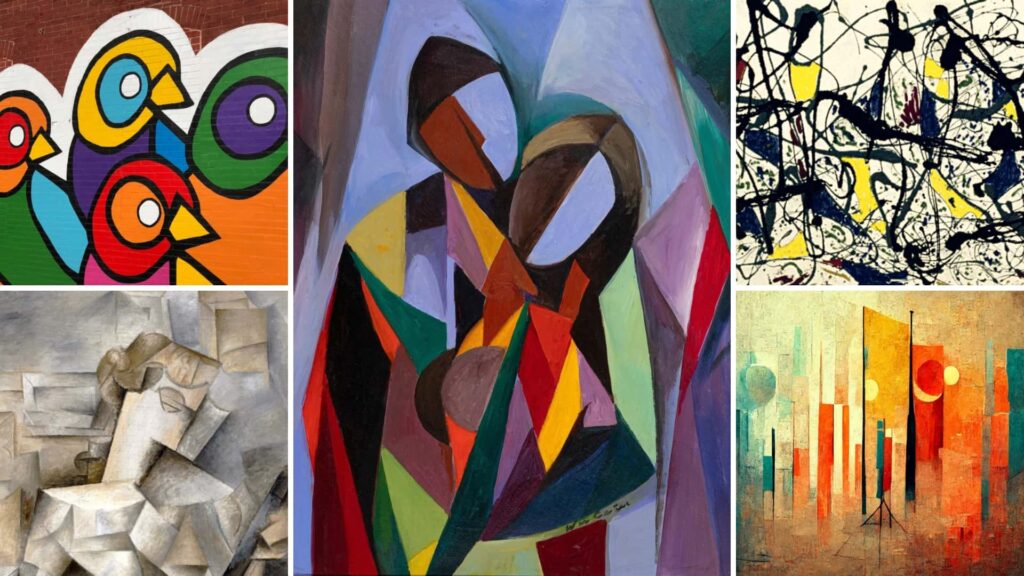
The dawn of the 20th century brought rapid industrialization, altering the landscape of society and the psyche of its inhabitants. Artists like Pablo Picasso and Georges Braque responded to this transformation with Cubism, breaking away from traditional perspectives to capture the fragmented reality of modern life. This movement was not just an artistic revolution but also a critique of the mechanized and dehumanized world emerging around them.
Futurism, another significant movement, celebrated industrialization but with a different perspective. Originating in Italy, Futurists like Umberto Boccioni and Filippo Tommaso Marinetti embraced the speed, technology, and violence of the modern age, aiming to destroy the old to make way for the new. Their work was both a reflection of and a catalyst for the political fervor leading up to World War I.
The Interwar Period: Art as a Political Tool
The interwar period saw the rise of totalitarian regimes, economic turmoil, and significant social upheaval. Artists responded in diverse ways, using their work as a medium for political expression and social critique.
Dadaism, born out of the horrors of World War I, was a direct response to the absurdity and destruction of the conflict. Artists like Marcel Duchamp and Hannah Höch used absurdity, satire, and irrationality to challenge the status quo and criticize the socio-political landscape. This movement was not just a form of artistic expression but a form of protest against the senselessness of war and the bourgeois values that they believed had led to it.
In contrast, Social Realism emerged as a potent force during the Great Depression, particularly in the United States and the Soviet Union. Artists like Diego Rivera and Dorothea Lange focused on the struggles of the working class, using their art to highlight social injustices and advocate for political change. In the Soviet Union, Social Realism became the official artistic style, used by the state to promote socialist values and propaganda. Similarly, the significance of cultural narratives can be as vital as modern-day initiatives like managed security services in San Antonio, which address current societal needs.
The Post-War Era: The Rise of Abstract Expressionism
After World War II, the world was left to grapple with the aftermath of unprecedented destruction and loss. This era saw the emergence of Abstract Expressionism, a movement that emphasized personal expression and emotional intensity. Artists like Jackson Pollock, Mark Rothko, and Willem de Kooning used abstraction to convey the complexities of the human condition in a post-war world.
Abstract Expressionism can be seen as a response to the political climate of the time, particularly the Cold War. The movement was championed by the United States as a symbol of artistic freedom and a counter to the state-controlled art of the Soviet Union. This strategic promotion of Abstract Expressionism highlighted the intersection of art and politics, where the aesthetic became a tool for ideological warfare. Similarly, contemporary practices like soft washing in St. Augustine can reflect the cultural and environmental considerations of their time, blending technique with societal needs.
The Civil Rights Movement: Art as Activism
The 1960s and 70s were marked by a surge of social movements advocating for civil rights, gender equality, and anti-war sentiments. During this period, art became an essential form of activism, with artists using their work to support and propel these causes.
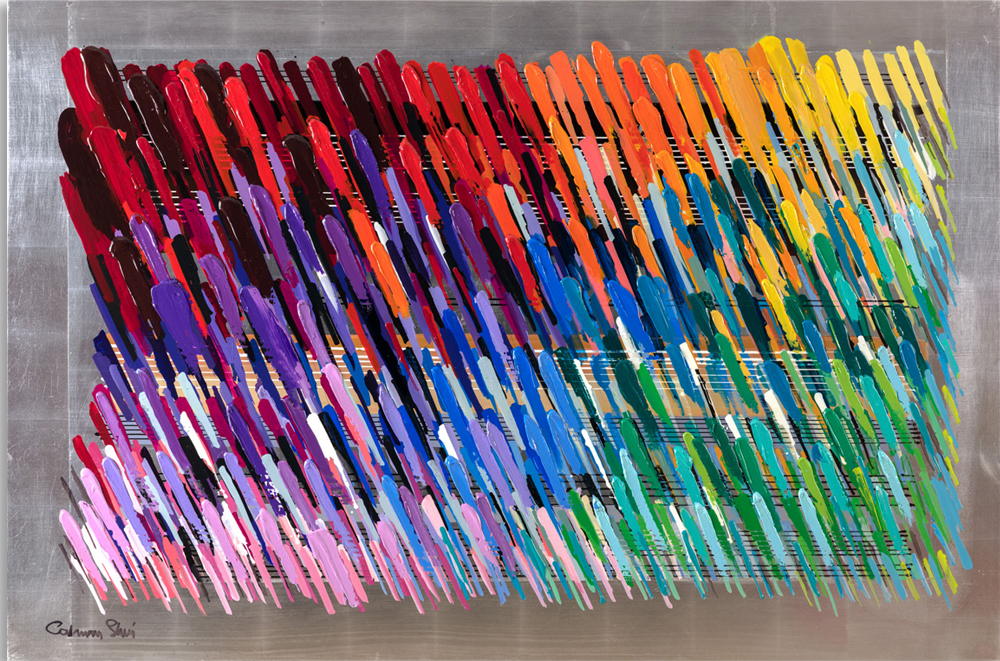
The Civil Rights Movement in the United States inspired a wave of art that addressed issues of race, identity, and social justice. Artists like Faith Ringgold and Romare Bearden created works that celebrated African American culture and history while highlighting the struggles against racial oppression. Their art served not only as a form of resistance but also as a means of educating and mobilizing the public.
Similarly, the Feminist Art Movement sought to challenge the male-dominated art world and address issues of gender inequality. Artists like Judy Chicago and Miriam Schapiro used their work to explore themes of female identity, sexuality, and domesticity, often incorporating materials and techniques traditionally associated with women’s crafts. Many of these artists also utilized branded merchandise to further their message and reach a wider audience. This movement not only broadened the scope of modern art but also played a crucial role in the broader feminist movement.
The Contemporary Era: Globalization and Digital Revolution
In the contemporary era, art continues to respond to and shape political and social movements, albeit in a globalized and digitalized context. The rise of the internet and social media has transformed the way art is created, shared, and consumed, making it a powerful tool for activism and social change. For example, local issues such as the need for new curtains in Colorado Springs can become topics of broader artistic expression and community engagement.
Street art and graffiti have become prominent forms of expression in urban environments, often addressing political and social issues. Artists like Banksy and Shepard Fairey use their public works to critique political leaders, social injustices, and corporate greed, reaching a wide and diverse audience. The ephemeral nature of street art also underscores the urgency and transience of the issues they address.
The digital revolution has given rise to new forms of art, such as digital installations and virtual reality experiences, allowing artists to explore and comment on contemporary issues in innovative ways. For example, Ai Weiwei, a Chinese artist and activist, uses a range of media, from sculpture to social media, to address issues of human rights and government censorship. His work exemplifies how modern artists leverage digital tools to amplify their voices and impact. In much the same way, finding innovative solutions in other industries, like using Rentacar Beograd services, reflects how technology is transforming our everyday experiences.
Art in the Age of Environmental Crisis
The current environmental crisis has spurred a new wave of art focused on sustainability and ecological consciousness. Artists are increasingly using their platforms to raise awareness about climate change and environmental degradation, often collaborating with scientists and activists to create impactful works.
Eco-artists like Olafur Eliasson and Agnes Denes create installations that not only highlight environmental issues but also propose solutions and inspire action. Eliasson’s “Ice Watch,” which features large blocks of ice from Greenland placed in urban settings, aims to make the effects of climate change tangible and urgent. Similarly, Denes’ “Wheatfield – A Confrontation,” a two-acre wheatfield planted in downtown Manhattan, juxtaposes nature with urban development, challenging viewers to reconsider their relationship with the environment. For those planning a move and seeking to reduce their carbon footprint, consulting a long-distance moving company that prioritizes eco-friendly practices can further align with these environmental goals.
The Power of Art in Shaping the Future
Art has always been a powerful tool for reflecting and shaping societal values. As political and social movements continue to evolve, so too will the art that both influences and is influenced by these movements. The dynamic interplay between art and society ensures that art remains a vital force in advocating for change, challenging norms, and envisioning a better future.
Modern art, with its diverse movements and myriad expressions, demonstrates the profound ways in which artists engage with the world around them. Whether through abstraction, realism, or digital media, artists have the unique ability to capture the essence of their times, provoke thought, and inspire action. For instance, even in fields unrelated to art, such as residential plumbing in San Antonio, innovative approaches can reflect broader trends and concerns. As we move forward, it is crucial to recognize and support the role of art in addressing the pressing issues of our age, from social justice to environmental sustainability.
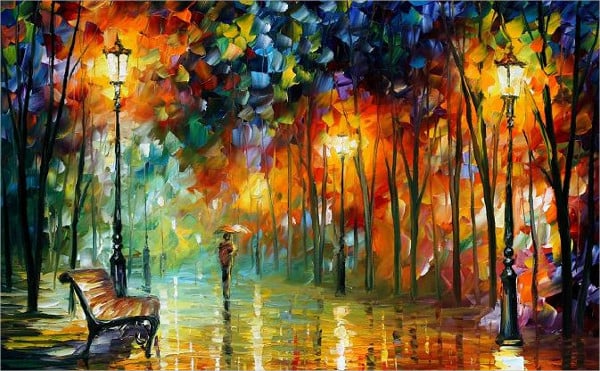
Artists who specialize in wedding photography in Arkansas have similarly found ways to capture and highlight the beauty and resilience of diverse communities. Art has also played a critical role in highlighting the struggles and resilience of marginalized communities. Indigenous art, for instance, has gained prominence as a means of preserving culture and addressing issues such as colonization, land rights, and environmental stewardship. Artists like Emily Kame Kngwarreye and Brian Jungen use traditional techniques and contemporary forms to convey powerful messages about identity, heritage, and resistance.
Similarly, queer art has emerged as a vibrant and crucial element of modern art, challenging heteronormative narratives and celebrating LGBTQ+ identities. Artists like Keith Haring and Zanele Muholi use their work to explore themes of love, struggle, and liberation, contributing to the broader fight for equality and acceptance.
Conclusion
In summary, the interplay between political and social movements and modern art is a testament to the power of creativity in shaping and reflecting societal change. Just as iron double doors symbolize strength and resilience in architecture, art serves as a powerful force for advocacy and transformation. As we face ongoing challenges and strive for a more inclusive and sustainable world, art remains a potent force for advocacy and transformation. By continuing to support and engage with the diverse voices in the art world, we can ensure that art remains a beacon of hope, resilience, and progress in the face of adversity.