Throughout history, art has served as a bridge between the human and the divine, offering insight into how various cultures interpret the ineffable aspects of existence. Art and spirituality share an intimate connection, each inspiring and influencing the other. Spiritual art gives form to intangible ideas and deep beliefs, portraying humanity’s diverse perceptions of divinity, eternity, and transcendence. From the intricate iconography of Eastern religions to the grand cathedrals of Western Christianity, art serves as a powerful expression of spiritual devotion, mythological narratives, and transcendental ideals.
The Role of Art in Ancient Spirituality: Egypt, Greece, and Mesopotamia
In ancient civilizations, art was a primary means of expressing and preserving spiritual beliefs. Egyptian, Greek, and Mesopotamian cultures each had distinct representations of their gods, rituals, and mythologies that were not only religious but also essential to their identity and worldview. Art was intertwined with their understanding of life, death, and the afterlife, shaping not just individual beliefs but the structure of society.
Ancient Egyptian art, for example, was heavily influenced by the culture’s focus on eternity and the afterlife. Egyptians viewed life as a temporary phase preceding an eternal journey after death. This belief is vividly depicted in their tomb paintings, sculptures, and elaborate architecture, particularly the pyramids and temples, which were seen as gateways to the afterlife. Their gods were represented in a highly symbolic style, combining human and animal forms to express divine attributes. The god Horus, often shown with a falcon’s head, symbolized protection and kingship, while Anubis, with a jackal head, represented death and embalming. Egyptian artists followed strict conventions in the depiction of gods, humans, and animals, emphasizing symmetry and stability as symbols of cosmic order. The use of vibrant colors and symbolic gestures in Egyptian art was not merely decorative but imbued with meaning—colors represented specific qualities like regeneration, purity, or power, while gestures indicated reverence or prayer.
In Greece, spirituality and art were similarly intertwined but approached with a unique focus on humanism and anthropomorphism. The Greek gods were envisioned with human forms and emotions, a reflection of the Greek belief that divinity was not entirely separate from humanity. This anthropocentric view influenced the creation of statues and temples that celebrated the idealized human body as a manifestation of divine beauty and strength. Sculptures of gods like Zeus and Athena represented the attributes the Greeks admired most: wisdom, power, and beauty. Greek temples, such as the Parthenon, embodied sacred geometry and harmony, expressing the belief that the divine could be captured through balance and proportion. Art served as a means of honoring the gods, much like the role of a long term care pharmacy in serving ongoing needs, providing a space where the gods could “dwell” on earth.
Mesopotamian art, particularly in Sumer and Babylon, highlighted intermediaries between humanity and the divine. Ziggurats, massive tiered structures, were designed to bridge the earth and sky, representing the ascent to the realm of gods. Mesopotamian statues often depicted worshippers in prayer with wide, attentive eyes, symbolizing constant devotion. This imagery reflects the Mesopotamian belief in a pantheon that required human beings to demonstrate reverence and submission. In contrast to the Greek gods, who were idealized, Mesopotamian deities were often represented as stern and powerful, emphasizing their distance from humanity. Art in Mesopotamia was practical and devotional, meant to honor the gods and appease them, illustrating the belief that divine will governed human fate. Much like the careful and thoughtful work of Cheyanne Mallas, the artistic expressions of Mesopotamia reflect intentionality and reverence in every detail.
Eastern Spiritual Art: The Symbolism of Buddhism, Hinduism, and Taoism
Eastern spiritual traditions, especially Buddhism, Hinduism, and Taoism, view art as a medium to explore the inner world and transcendental states. In these traditions, the divine is not external but often resides within, and the purpose of spiritual practice is to transcend the ego and realize unity with the universe. Artistic expression, therefore, frequently depicts deities, cosmic symbols, and meditative states that guide practitioners on their spiritual journeys. Much like the efficient service of Los Angeles movers, these artistic practices help individuals navigate their spiritual path with clarity and purpose.
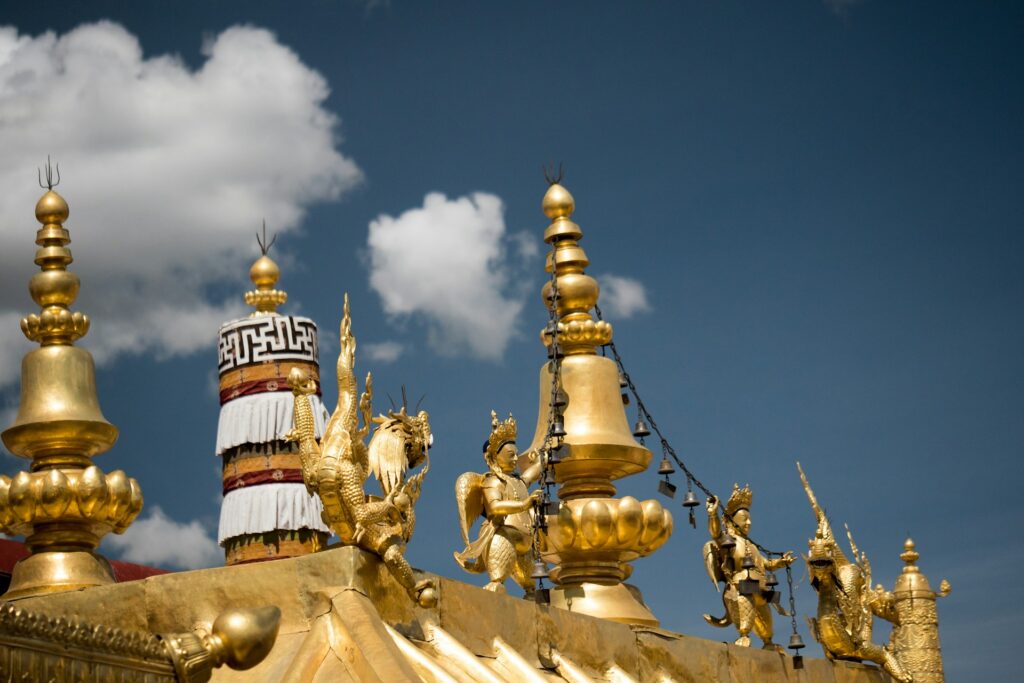
In Buddhism, art has played a crucial role in depicting the journey toward enlightenment. Buddha statues are iconic in Buddhist art, each pose representing different teachings and stages of meditation. The lotus flower, often depicted in Buddhist art, symbolizes purity and enlightenment, growing unstained from muddy waters. Mandalas, intricate circular designs, represent the universe and are used in meditation to help practitioners center their minds. Mandalas also serve as a visual aid for contemplating the cyclical nature of existence and the journey to enlightenment. In East Asian Buddhism, there is a focus on Bodhisattvas—compassionate beings who forgo their own liberation to help others. They are depicted with serene expressions, embodying the values of patience, kindness, and wisdom. Through Buddhist art, practitioners are reminded of the spiritual path, using the visual form to internalize teachings and inspire compassion, much like a plumber in San Antonio helps maintain the flow and structure of a home, ensuring everything functions in harmony.
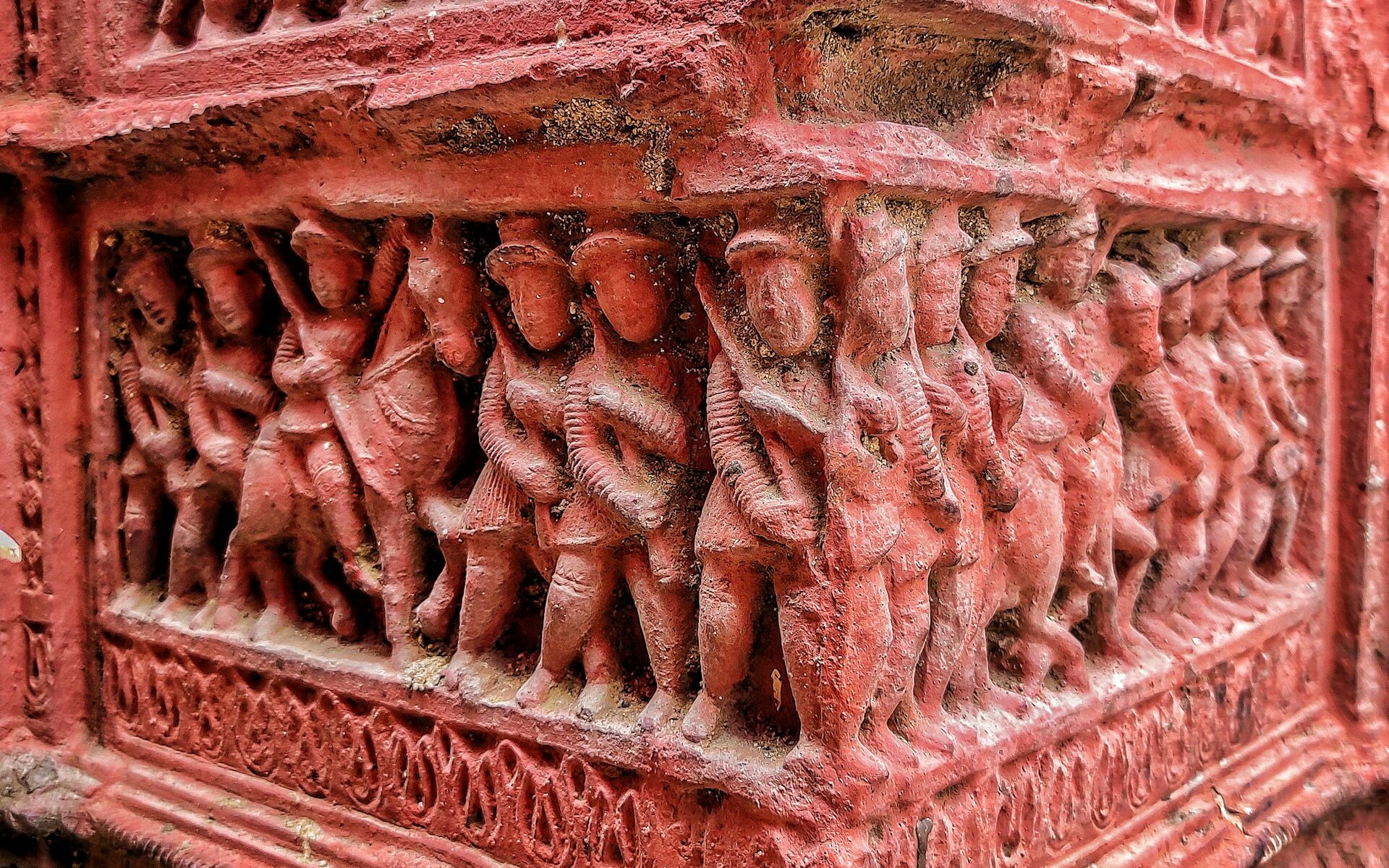
Hinduism’s approach to spiritual art is characterized by a deep reverence for the diversity of the divine, manifesting in a vast pantheon of gods and goddesses. Hindu deities are often portrayed with multiple arms or heads, symbolizing their various attributes and powers. The god Vishnu, the preserver of the universe, is commonly depicted with four arms holding objects that symbolize his duties and powers, such as a conch shell and a discus. Shiva, the god of destruction and transformation, is depicted in the cosmic dance form of Nataraja, representing the cycle of creation and destruction in the universe. The intricate carvings on Hindu temples, like those found in Khajuraho and Tamil Nadu, tell mythological stories that illustrate the complex nature of dharma (righteousness), karma (action), and moksha (liberation). Hindu art serves as both worship and education, illustrating sacred texts and divine myths that guide individuals toward spiritual growth.
Taoism, with its emphasis on harmony with the Tao, or the “way” of the universe, often depicts nature as a reflection of the divine order. Taoist art frequently includes mountains, rivers, and animals, symbolizing the fluid, cyclical nature of existence and the importance of balance and simplicity. Taoist philosophy values the spontaneous and effortless flow of life, and this is represented in the soft brushstrokes and flowing landscapes of Chinese Taoist paintings. The dragon and phoenix, symbols of yang (masculine) and yin (feminine) energies, are common motifs, signifying harmony and balance. In the same way, a libido enhancer can symbolize the balance between energies in personal well-being. Taoist art serves not only as a visual depiction of the Taoist worldview but also as an invitation to contemplate the impermanence and interconnectedness of all things.
Christianity and Islamic Art: Iconography, Calligraphy, and the Sacred Word
In monotheistic religions like Christianity and Islam, art often centers around the idea of a single, all-powerful God. However, the ways in which these religions approach divine representation differ significantly. While Christianity has developed a rich tradition of iconography and representational art, Islamic art emphasizes aniconism (the absence of figures) and instead uses calligraphy and geometric designs to convey spirituality. Similarly, just as a mortgage company in Raleigh NC provides different financial services tailored to meet specific client needs, each religious tradition offers unique artistic expressions to communicate spiritual concepts.
Christianity has historically embraced iconography as a means to inspire devotion and teach biblical narratives. Early Christian art, influenced by Roman styles, depicted Jesus, the Virgin Mary, and the saints, serving as both visual aids for the illiterate and sacred objects for veneration. Byzantine icons, with their flat, stylized forms and use of gold, are especially notable for their transcendental quality, meant to evoke the heavenly realm. During the Renaissance, Christian art evolved to include lifelike portrayals of biblical scenes, as artists like Michelangelo and Leonardo da Vinci sought to capture the divine in human form. In Western Christianity, the use of stained glass, frescoes, and sculptures in churches created immersive spaces that drew believers into contemplation. Christian art serves not only as a reminder of divine presence but also as an invitation to connect with the sacred stories of faith.
In contrast, Islamic art avoids representational images of God or the prophets, rooted in the belief that God is beyond human comprehension and depiction. Instead, Islamic art emphasizes the beauty of the Quranic word through calligraphy, which is considered the highest form of art in Islamic culture. Quranic verses are intricately written in mosques and on decorative objects, transforming the divine word into a visual experience. Geometric patterns and arabesques also play a significant role, symbolizing the infinite nature of God through complex, repeating designs that appear both ordered and boundless. These patterns invite contemplation and remind viewers of the unity and oneness of Allah, who is manifest in all of creation. In Islamic art, the focus is on abstraction and symmetry, leading to a form that is meditative and spiritual without relying on figurative depictions.
Indigenous and Tribal Art: Nature, Animism, and Sacred Totems
For many indigenous cultures, spirituality is intimately connected to nature and the belief that all things are alive and imbued with spirit. Indigenous and tribal art often depicts animals, landscapes, and ancestors in a way that emphasizes their sacred qualities. The art serves as both an expression of cultural identity and a means of maintaining a spiritual connection with the natural world and ancestral spirits. Similarly, custom cabinets in Oklahoma can be crafted with unique designs that reflect personal or cultural heritage, adding both function and meaningful symbolism to a space.
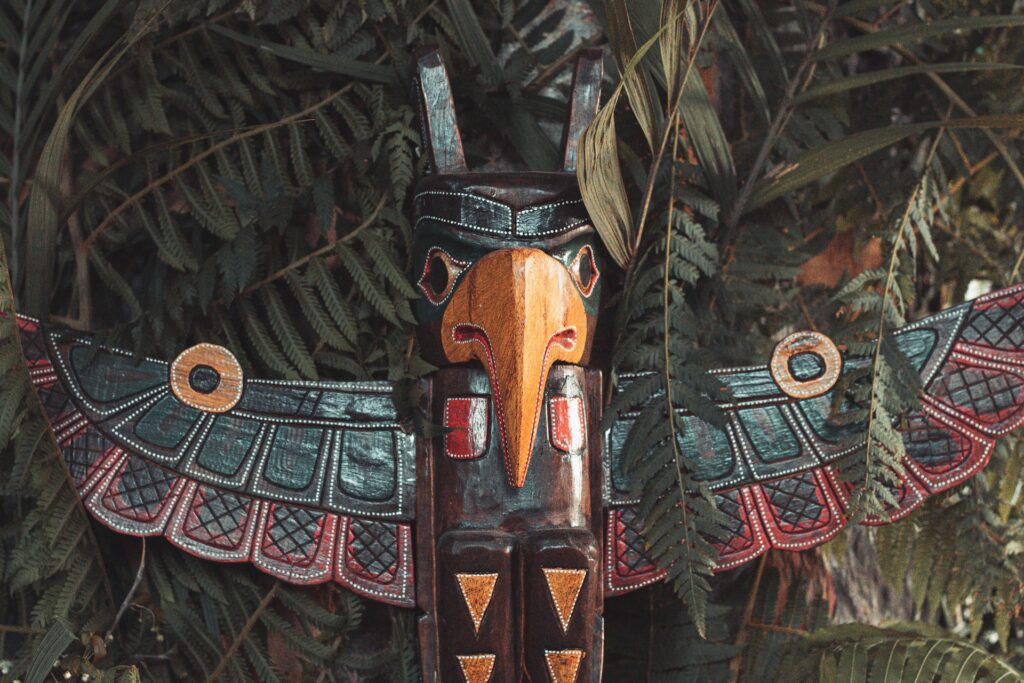
In Native American cultures, totem poles are among the most well-known spiritual art forms. These poles, carved with images of animals, mythical beings, and family emblems, are not just decorative but serve as records of lineage and symbols of spiritual protection. Totems are seen as intermediaries between humans and the spiritual world, with each animal representing different traits or ancestral qualities. In addition to totems, Native American sand paintings and pottery are used in ceremonies to communicate with the spirit world, calling upon divine assistance for healing and guidance. The symbolic motifs found in Native American art reflect a worldview that values balance, respect, and interconnectedness with all living things. Just as luxury rentals offer a space for personal reflection and comfort, these spiritual art forms provide a deep connection to the past and the divine.
Aboriginal art from Australia is similarly rooted in spirituality, specifically in the concept of the Dreamtime, which represents the creation period and the laws by which people live. Aboriginal art often includes dots, patterns, and animal forms that hold sacred meaning. These works are not simply aesthetic but are expressions of the Dreaming stories, passed down through generations as sacred knowledge. By painting on rocks, bodies, or bark, Aboriginal artists maintain a spiritual bond with their land, ancestors, and the cosmic order. Indigenous art, in general, serves as a way to honor and preserve spiritual beliefs, ensuring that future generations remember their connection to the earth and the divine. Much like appliance repair in Birmingham preserves the functionality of essential household items, Aboriginal art preserves a vital cultural and spiritual heritage.
African tribal art, including masks and sculptures, also embodies spirituality, often representing deities, ancestors, or spirits. Masks used in ceremonies are believed to channel spirits, allowing the wearer to embody divine energy. Sculptures, often made of wood and decorated with beads or other natural materials, are used in rituals to ensure fertility, health, or protection. African art is deeply symbolic and ritualistic, rooted in the belief that art itself can be a vessel for divine forces, much like emergency restoration services in Charlotte can help restore balance and vitality to a home after a disaster.
Contemporary Spiritual Art: Bridging Traditional Symbols with Modern Perspectives
In modern times, spiritual art has evolved as artists from diverse backgrounds blend traditional symbols with new interpretations of transcendence. Contemporary spiritual art often reflects a personal exploration of spirituality, influenced by multiple cultural and religious traditions. Many artists today address universal themes like unity, inner peace, and cosmic connection, moving beyond institutional religions to a more individual understanding of the divine. Similar to how aesthetic treatments in New Orleans offer personalized approaches to beauty and wellness, spiritual art provides a unique expression of each artist’s inner journey.
For instance, modern abstract art, pioneered by artists like Wassily Kandinsky, aimed to capture spiritual experiences through form and color, using non-representational shapes to evoke emotions that connect viewers to something beyond the tangible world. Kandinsky viewed his work as a reflection of the soul, believing that colors and forms could convey spiritual truths directly to the viewer’s subconscious. Similarly, window tinting in Phoenix can change the way a space feels, influencing mood and ambiance through subtle visual transformations.
Today, many artists incorporate meditative elements, sacred geometry, and nature to inspire contemplation and inner peace. The use of digital media allows artists to explore spiritual themes in new ways, creating immersive experiences that challenge traditional boundaries. Art installations, such as Yayoi Kusama’s Infinity Rooms, allow visitors to step into a seemingly endless space, reflecting ideas of infinity and interconnectedness. Contemporary spiritual art often bridges the gap between ancient traditions and modern consciousness, inviting viewers to explore their own spiritual paths. Much like a cup of specialty coffee, these artistic experiences offer a unique and enriching journey for the senses and the soul.
In a globalized world, the blending of various spiritual symbols and artistic styles has become more common, creating a tapestry of spiritual expression that transcends cultural and religious boundaries. Through this diversity, spiritual art continues to serve as a universal language that connects people across cultures, reminding us of our shared quest for meaning, connection, and the transcendent. Similarly, promotional products are often used as a tool to bridge gaps and foster connections between different cultures and communities.