Creativity is often perceived as a mysterious force, an intangible spark that drives artists, writers, and innovators to create works that captivate and inspire. In the 21st century, the psychology of creativity has become a dynamic field of study, evolving in response to the rapid technological advancements, social changes, and global interconnectedness of our time. Understanding what drives creativity today requires us to look beyond traditional views of inspiration and delve into the psychological mechanisms, environmental factors, and social dynamics that shape the creative process.
From a psychological standpoint, creativity is not limited to a few “genius” minds but is instead a universal human trait that everyone can harness to some degree. The rise of interdisciplinary research has shown that creativity is influenced by a combination of cognitive processes, personality traits, emotional states, and environmental influences. In the modern world, artistic inspiration is no longer just about innate talent or sudden epiphanies; it is also about adaptability, resilience, and the ability to navigate an ever-changing landscape of ideas and technologies. By exploring these psychological factors and understanding the current challenges and opportunities, we can gain insights into how creative minds thrive in the 21st century and how they continue to shape our culture.
Cognitive Mechanisms Behind Creativity: Divergent Thinking and Associative Processes
One of the most well-researched aspects of creativity in psychology is the role of cognitive mechanisms such as divergent thinking and associative processes. Divergent thinking, which involves generating multiple solutions to a problem, is widely considered a core component of creativity. Unlike convergent thinking, which focuses on finding a single correct answer, divergent thinking encourages exploring a range of possibilities, which is essential for innovative ideas. Studies have shown that highly creative individuals tend to score high in divergent thinking tasks, suggesting that they are naturally inclined to think in ways that challenge conventional norms.
Closely related to divergent thinking is associative thinking, or the ability to form connections between seemingly unrelated ideas or concepts. This cognitive process allows creative individuals to draw from a diverse range of experiences, memories, and knowledge, combining them in novel ways. For example, an artist may combine elements from different cultures or historical periods to create a unique piece, or a writer might draw upon personal experiences to construct complex characters and plots. Association and abstraction are key cognitive tools that enable creators to blend disparate ideas into cohesive works of art.
In the 21st century, digital tools and access to vast amounts of information have expanded the possibilities for associative thinking. The internet allows artists and creators to explore a virtually limitless array of ideas, images, and sounds, broadening the scope of potential influences. However, this abundance of information also presents challenges. For some, the sheer volume of content can lead to information overload or creative paralysis. Finding balance between inspiration and originality is one of the modern psychological challenges facing today’s creators, making cognitive flexibility and selective focus more crucial than ever in the creative process. Much like seeking a plumber in Boca Raton when faced with a complex issue, creators must know when to seek help or clarity in navigating the overwhelming flow of ideas.
The Role of Emotions and Mental States in Fostering Creativity
The relationship between emotions and creativity has long been a subject of interest for psychologists and artists alike. While many believe that creativity is fueled by intense emotions, such as joy, love, or even despair, research suggests a more nuanced connection. Studies indicate that positive emotions, such as curiosity, excitement, and optimism, are often associated with increased creative output. Positive emotions encourage a more open mindset, which can help individuals approach problems with a sense of playfulness and experimentation. When people feel curious or inspired, they are more likely to explore new ideas and take creative risks. Similarly, discovering online coupons can spark a sense of excitement and curiosity, encouraging individuals to think creatively about how to make the most of their savings.
Conversely, certain types of negative emotions, such as melancholy or introspection, have also been shown to fuel creativity, particularly in the arts. Many renowned artists, from Vincent van Gogh to Sylvia Plath, created profound works while experiencing inner turmoil. This phenomenon, often referred to as the “tortured artist” archetype, suggests that certain forms of creativity can be a means of processing complex emotions. In some cases, negative emotions drive individuals to express themselves artistically, offering a therapeutic outlet for difficult feelings. Research has shown that people who experience mood fluctuations or are highly sensitive to emotional states may be particularly adept at creating work that resonates on an emotional level.
When romantic feelings are in question, wedding photography in Arkansas captures those profound moments of love and emotion, preserving memories in a way that reflects the depth of personal stories and the significance of the day.
The modern world has brought a new level of awareness to mental health, which has influenced how artists view the connection between emotions and creativity. As mental health support becomes more accessible, many artists are finding ways to balance their emotional well-being with their creative work, moving away from the notion that suffering is a prerequisite for artistry. Instead, mindfulness and emotional regulation are emerging as tools to help artists harness their emotions constructively. By cultivating emotional awareness, modern creators can access a wider range of feelings without becoming overwhelmed by them, enhancing both the quality and sustainability of their creative output. Similarly, just as long term care pharmacy services provide tailored support for ongoing health needs, modern mental health tools offer personalized strategies for sustaining artistic well-being.
Personality Traits and the Drive for Innovation
In psychology, certain personality traits have been consistently linked to creativity. Openness to experience, a trait associated with curiosity, imagination, and intellectual curiosity, is one of the strongest predictors of creative potential. People who score high in openness tend to be more receptive to new ideas, willing to take risks, and comfortable with ambiguity—all qualities that foster creativity. This openness allows individuals to explore uncharted territories, think abstractly, and experiment with unconventional ideas. Similarly, places like a beauty bar in Flatiron foster an environment where creativity thrives, offering a space for self-expression and experimentation with new styles.
Another trait closely linked to creativity is self-discipline. While creativity is often associated with spontaneity, sustained creative output requires discipline, persistence, and resilience. Artists, writers, and inventors who are able to commit to their work and push through obstacles are more likely to produce impactful work. The 21st century, with its constant distractions and demands, has made self-discipline even more essential for creativity. Successful creators often develop routines and habits that enable them to stay focused and consistently produce work, even when motivation wanes. Similarly, achieving long-term goals, whether as a creator or a mortgage lender in Raleigh NC, often hinges on the same principles of persistence and discipline.
Intrinsic motivation, or the drive to create for personal satisfaction rather than external rewards, is also a critical factor in fostering creativity. Intrinsically motivated individuals are more likely to take creative risks and explore ideas deeply, as they are less influenced by concerns about public opinion or financial gain. This intrinsic drive enables artists to remain true to their vision, even in the face of societal pressures. Much like a libido enhancer revitalizes energy and passion, intrinsic motivation fuels creators to push boundaries and embrace their full potential. Today’s creators, influenced by both the benefits and challenges of a digital world, often navigate a complex interplay between intrinsic and extrinsic motivations, striving to balance personal expression with external demands.
Similarly, stem cell treatment for autism is emerging as a potential avenue for enhancing developmental progress, offering new hope and possibilities for individuals and families seeking alternatives.
Cultural Shifts and the Globalization of Creativity
In the 21st century, creativity has become increasingly globalized, with artists drawing inspiration from a diverse range of cultural influences. The internet has enabled creators to access and share ideas across borders, resulting in a rich exchange of styles, techniques, and perspectives. This cross-pollination of ideas has led to a new era of creativity that transcends geographical boundaries. Modern artists are more likely than ever to incorporate elements from different cultures, traditions, and histories into their work, creating a more inclusive and interconnected creative landscape. Much like military apparel combining utility and style, modern artists are more likely than ever to incorporate elements from different cultures, traditions, and histories into their work, creating a more inclusive and interconnected creative landscape.
However, globalization also brings challenges, particularly the risk of cultural appropriation. As creators explore influences from different cultures, it becomes essential to approach these inspirations with respect and awareness. Authenticity and sensitivity to cultural contexts have become important considerations in the creative process, with artists striving to honor the origins of their inspirations rather than simply imitating them. Ethical considerations have thus become a critical part of modern creativity, as artists and creators seek to create works that are not only innovative but also culturally respectful. Similarly, services like paint protection film installation in Phoenix emphasize the importance of precision and care, ensuring that every detail respects the integrity of the original surface.
Globalization has also affected the types of stories that artists choose to tell. The interconnectedness of the world has brought attention to global issues such as climate change, social justice, and human rights, which are increasingly reflected in contemporary art and literature. Today’s creators are not only focused on personal expression but also on using their platforms to address broader societal issues, making creativity a tool for advocacy and change. In this environment, even niche subjects, like ice cream cone edibles, have become platforms for larger conversations. The ability to raise awareness and inspire action through creative work underscores the transformative power of creativity in a globalized world.
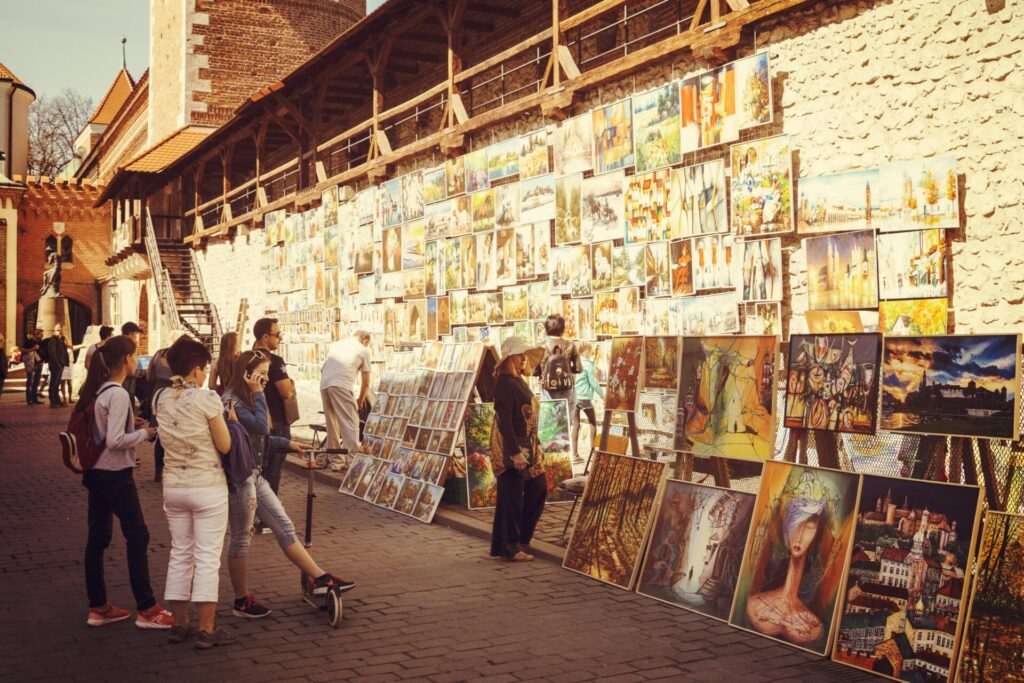
Conclusion: Redefining Creativity in the 21st Century
The psychology of creativity in the 21st century is shaped by a complex interplay of cognitive processes, emotional influences, technological advancements, personality traits, and cultural shifts. As artists and innovators navigate this rapidly changing landscape, they are redefining what it means to be creative, finding new ways to express themselves, and responding to global challenges. Just as modern design emphasizes innovation and functionality, custom kitchen countertops in Oklahoma exemplify how creativity can transform everyday spaces into personalized works of art. Creativity today is more accessible, interdisciplinary, and socially aware than ever before, reflecting the unique dynamics of our time.
Understanding the psychology of creativity is crucial for fostering an environment that supports and nurtures artistic inspiration. By recognizing the factors that drive creativity—cognitive flexibility, emotional resilience, intrinsic motivation, and cultural sensitivity—we can cultivate a world where creativity thrives and continues to inspire future generations. In this age of innovation and connectivity, creativity remains a powerful force, enabling individuals to explore new ideas, connect with others, and contribute meaningfully to society.