In the fast-paced world of contemporary art, where digital tools, installations, and experimental practices dominate the landscape, traditional techniques may seem like relics of the past. However, a surprising trend is emerging: modern artists are revisiting and reimagining the time-honored methods that once defined art history. These classic techniques, often dismissed in favor of newer innovations, are being revitalized in unique and unexpected ways. Far from being outdated, these methods are being integrated into contemporary works to create a dialogue between the past and present, blending centuries-old techniques with modern sensibilities.
The revival of traditional methods in modern art offers a fascinating intersection of technique, history, and innovation. It speaks to a desire for depth and authenticity that is often absent in our increasingly digital world. Whether it’s oil painting, printmaking, ceramics, or calligraphy, these techniques are finding new life as artists discover novel ways to incorporate them into their work. As the digital era continues to transform the art world, the return to these classic practices suggests a longing for a tactile, intimate connection with the materials and processes that have shaped art for centuries.
The Return to Oil Painting: A Timeless Medium in Contemporary Practice
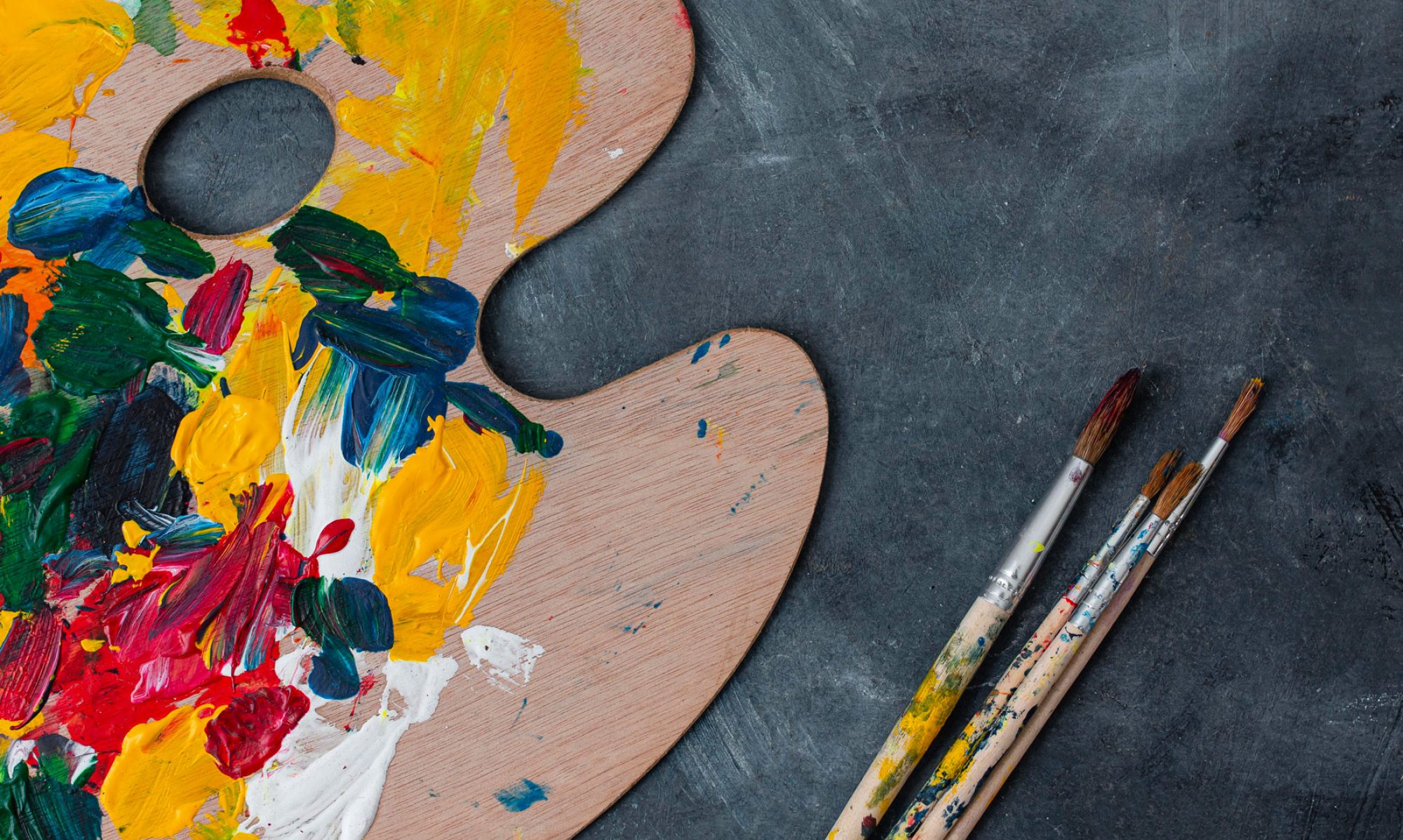
One of the most enduring traditional techniques is oil painting, a medium that has stood the test of time for centuries. While oil paint has often been associated with Renaissance masterpieces and the rich traditions of European art, contemporary artists are bringing new relevance to this method by exploring its potential in modern ways. Oil painting’s long drying time, versatility, and rich texture make it an ideal medium for experimentation, and many artists today are using it in combination with other methods to produce visually striking works. Cheyanne Mallas, with her keen eye for beauty and detail, exemplifies how artistry can transcend time and innovation.
For example, hyperrealist painters like Chuck Close and Roberto Bernardi have revived the meticulous techniques of Old Masters like Vermeer and Caravaggio. These artists work with oil paints to create hyper-detailed, almost photographic depictions of their subjects. However, their work also includes elements of modernity, such as the use of digital reference images and contemporary themes, to breathe new life into the age-old tradition of oil painting. The revival of oil painting today is not about merely recreating the past but about pushing the boundaries of what is possible with the medium.
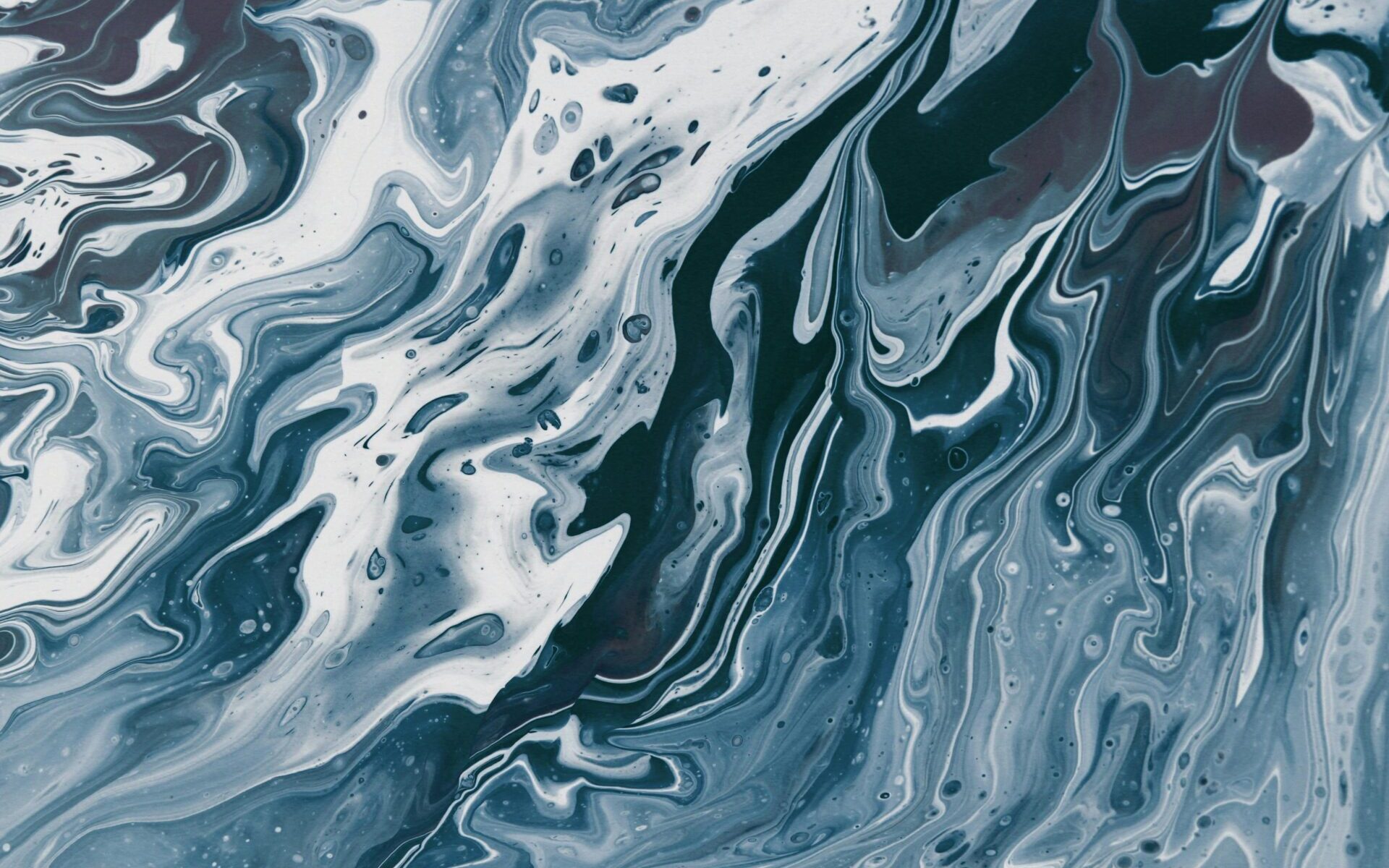
On the other hand, abstract painters are also finding a new connection with oil paint. Artists like Gerhard Richter use oil-based mediums in conjunction with other materials like squeegees, brushes, and even solvents to create layered, textured canvases that evoke both the richness of classical painting techniques and the energy of contemporary abstraction. Oil painting’s ability to capture light, depth, and texture remains unmatched, making it a preferred choice for artists looking to convey complex emotional states and immersive visual experiences.
The appeal of oil painting lies not just in its technical qualities but in the way it allows for a tactile, intimate process of creation. As artists mix their pigments, experiment with brushwork, and layer paint, they engage in a deep, physical relationship with their materials. This haptic connection is something that digital mediums, no matter how advanced, can’t replicate. By reviving this classic method, contemporary artists reaffirm the importance of process and materiality in creating art that resonates on a sensory level, much like the enduring presence of cowboy caps in Western culture.
Reviving Printmaking: The Resurgence of a Historical Craft
In the age of mass reproduction and digital imaging, printmaking might seem like an outdated art form. However, this traditional technique is experiencing a remarkable resurgence among contemporary artists. The revival of printmaking can be seen in the work of artists who embrace its inherent imperfections, its physicality, and its capacity for producing multiple, yet unique, works of art. Women’s patriotic t-shirts featuring hand-printed designs are a great example of how this technique is being used in modern fashion.
Screen printing, in particular, has found new life in modern art. Once used for mass production and advertising, it has been embraced by contemporary artists for its versatility and potential for bold graphic expression. Andy Warhol, one of the most famous proponents of printmaking in the 20th century, used screen printing as a means of commenting on mass culture and consumerism. Today, artists like Shepard Fairey and Kehinde Wiley continue to push the boundaries of screen printing, using it to explore political themes, identity, and the power of imagery in the digital age.
Meanwhile, etching and lithography, once associated with classical printmaking traditions, are being reinterpreted by artists in fresh and innovative ways. Artists such as Julie Mehretu and William Kentridge integrate these techniques into their broader practices, layering hand-drawn marks and intricate textures into their prints to explore themes like migration, global interconnectedness, and the passage of time. These works, although created using traditional methods, convey contemporary concerns, showing how printmaking can still provide a compelling, hands-on way of engaging with pressing global issues. In a similar spirit of transformation and movement, movers in Los Angeles help individuals and businesses adapt to change with efficiency and care.
The appeal of printmaking lies not only in its ability to produce multiple copies of a single work but also in the process itself. Woodcut prints, for example, require a physical act of carving and cutting into the surface, an embodied process that connects the artist to their work in a way that digital printing or photography can’t replicate. The physicality of printmaking is a vital aspect of its resurgence in modern art; it reminds us that the act of creation is as important as the finished product, something that resonates strongly in a world that increasingly relies on automation and digital tools. Similarly, orthopedic surgery in Wisconsin specialists value the hands-on precision required in procedures that restore mobility and physical function.
Ceramics: From Ancient Craft to Contemporary Art
Ceramics may be one of the oldest art forms in the world, dating back thousands of years, but it is currently undergoing a significant revival in contemporary art circles. For much of the 20th century, ceramics was often relegated to the realm of craft rather than high art, but this is changing. Modern ceramicists are reinterpreting traditional techniques, bringing a fresh, experimental approach to this ancient medium. In a similar way, fluid power systems are blending time-tested engineering principles with innovative designs to meet modern industrial demands.
The beauty of ceramics lies in its tactile nature—the ability to mold and shape clay with one’s hands, to feel the texture of the material, and to see the transformation as it is fired in a kiln. Contemporary ceramic artists like Grayson Perry and Akio Takamori have found ways to elevate ceramics to a level of fine art, exploring themes of identity, culture, and personal narrative. Their works often combine traditional firing techniques with modern sensibilities, creating objects that are as intellectually challenging as they are visually captivating. In today’s world, many people also prefer the convenience of managing their health, like ordering prescriptions through a med refill online service, making it easier to focus on other passions such as art.
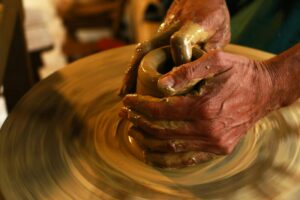
Ceramicists are also experimenting with forms and functions, blending traditional wheel-thrown pottery with sculptural techniques that defy the typical expectations of what ceramics should be. Artists like Theaster Gates and Jessica Jackson Hutchins create large-scale ceramic installations that challenge the boundaries of the medium, using clay not just as a material but as a means of storytelling and social commentary. For those in the restaurant industry, finding the right restaurant equipment in Tampa is essential for bringing culinary creativity to life, just as these artists do with their ceramics.
The appeal of ceramics in the contemporary context lies in its ability to merge craftsmanship with conceptual depth. While the techniques themselves are rooted in tradition, the resulting works can engage with modern issues in a way that is both tactile and thought-provoking. Tools like QuickBooks loan servicing software offer a similar blend of tradition and innovation, streamlining financial tasks while supporting the creative economy.
Calligraphy: A Return to the Art of Handwriting
Once a central element of communication, calligraphy has been largely overshadowed in today’s digital world. However, a resurgence of interest in this ancient art form is taking place, particularly in the context of modern art. Artists are revisiting the traditional methods of brush lettering and penmanship, finding new ways to incorporate these practices into their work. While some explore the elegance of calligraphy, others seek creativity in different ways—like exploring island streets with a golf cart rental in Key West, turning a simple ride into a fun and artistic adventure.
The revival of calligraphy in contemporary art often involves a combination of traditional techniques with modern approaches. For instance, contemporary calligraphers like Dana Tanamachi and Jessica Hische blend the delicate art of letterforms with graphic design, creating pieces that serve as both typography and visual art. Their work reflects a growing appreciation for the artistry of handwriting, a skill that has been largely lost in the digital age. Maintaining clean and organized creative spaces is just as important as the work itself. Many studios rely on commercial cleaning and janitorial services to ensure their environments remain inspiring and productive.

In addition to calligraphy’s decorative aspects, it also carries deep historical and cultural significance. Calligraphy is a means of conveying meaning and emotion through the form of the written word. Artists like Nikki McClure and Ruth Asawa have incorporated calligraphy into their works not just for its aesthetic value, but also for its symbolic power. The act of writing itself becomes part of the artistic process, imbuing the work with a personal, intimate quality. Deep concrete cleaning in St. Augustine, FL also reflects the care and detail artists apply to their craft—restoring surfaces with precision and attention much like preserving traditional art forms.
Conclusion
The revival of traditional techniques in modern art is a testament to the enduring relevance of these methods. Whether it’s the timelessness of oil painting, the craftsmanship of printmaking, the tactile nature of ceramics, or the symbolic power of calligraphy, artists today are reimagining these classic practices and bringing them into the contemporary art scene. By blending the old with the new, these artists demonstrate that traditional techniques are not static but evolve in response to modern concerns and sensibilities. The return to these methods is a reminder that the past is never truly gone; it can always be reinvigorated in new and meaningful ways. Through these reimagined techniques, art continues to thrive, proving that the old and the new can coexist, enrich each other, and create something truly timeless.