

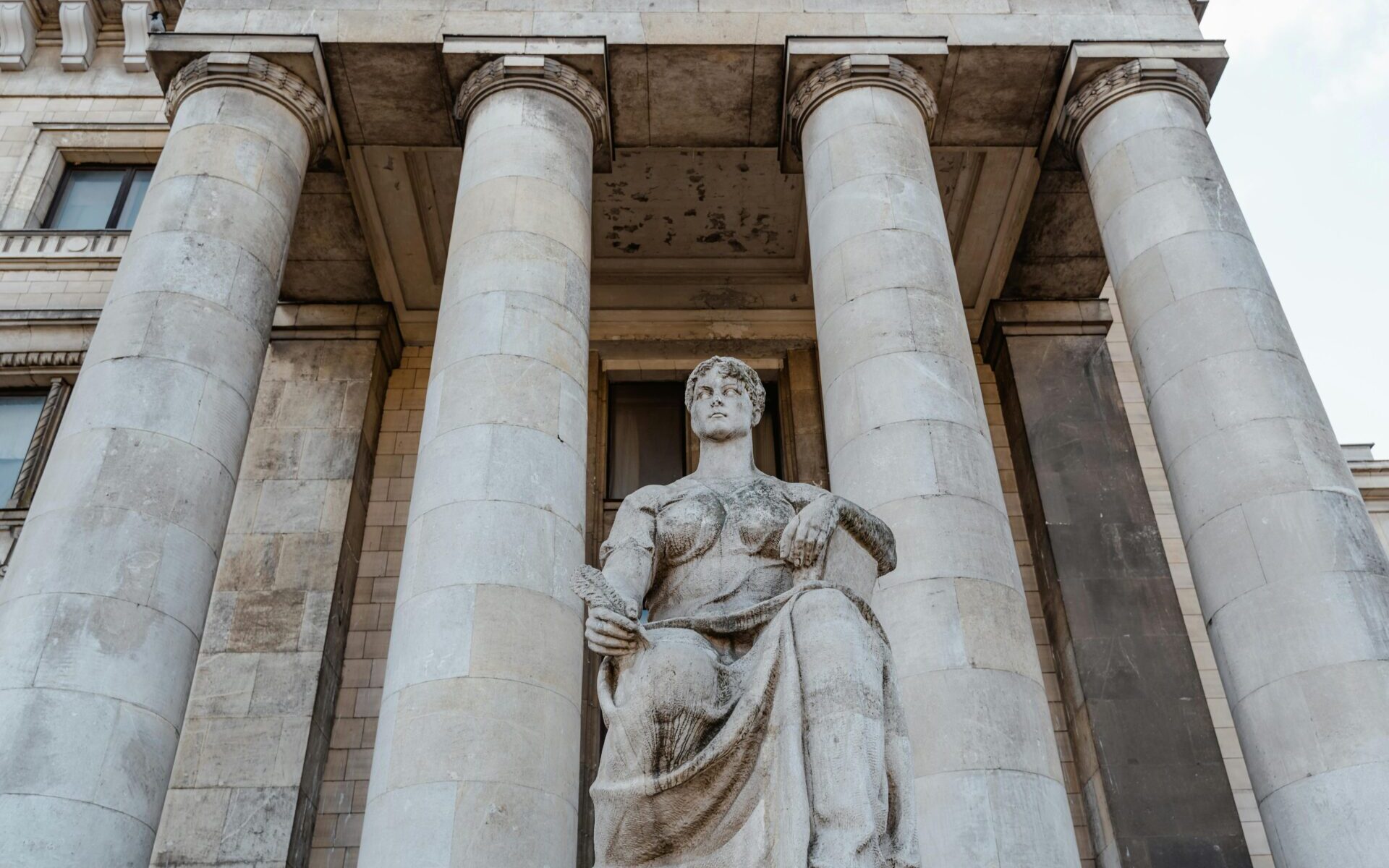
The Neoclassical movement was one of the most influential artistic periods in European history, particularly in the late 18th and early 19th centuries. It represented a return to the ideals, aesthetics, and philosophies of Ancient Greece and Rome, and it was marked by an emphasis on symmetry, simplicity, and rationalism. The Neoclassical revival was not just an artistic movement, but a cultural and intellectual one that sought to emulate the grandeur and ideals of classical antiquity. This period was a response to the Rococo style, which was seen as overly ornate, extravagant, and frivolous. Instead, Neoclassicism embraced the principles of clarity, order, and heroism, drawing inspiration from the works of ancient masters and championing a rational and intellectual approach to art.
The birth of Neoclassicism can be traced back to several significant factors, including the rediscovery of ancient ruins, the influence of Enlightenment thinkers, and the political and social upheaval of the time. Artists, architects, and intellectuals sought to draw upon the virtues of antiquity as a means of reflecting the changing tides of the modern world. Neoclassicism would go on to define much of the art and architecture of the late 18th and early 19th centuries, influencing the works of some of the most iconic figures in Western history.
The Roots of Neoclassicism: Enlightenment Thought and the Rediscovery of Antiquity
The emergence of Neoclassicism was deeply rooted in the intellectual and philosophical developments of the Enlightenment, a period marked by a strong belief in reason, science, and the questioning of traditional authority. Enlightenment thinkers, or philosophes, were profoundly influenced by the classical ideals of Ancient Greece and Rome. They admired the rationality, democracy, and civic virtues that they saw in the ancient world and believed that society could benefit from a return to these principles. The works of philosophers such as John Locke, Jean-Jacques Rousseau, and Voltaire were instrumental in shaping the cultural climate of the time, providing a foundation for the Neoclassical movement.
At the same time, the late 18th century witnessed the rediscovery of classical antiquity through archaeological excavations. The unearthing of ancient Roman and Greek sites, such as the ruins of Pompeii and Herculaneum, inspired a renewed interest in the art, architecture, and culture of these ancient civilizations. These excavations brought to light long-forgotten masterpieces of sculpture, frescoes, and pottery, all of which served as a wellspring of inspiration for artists and architects. The classical forms and ideals—such as the emphasis on symmetry, balance, and proportion—became central to the Neoclassical aesthetic. Much like ancient philosophies emphasized harmony, sound bath training helps individuals achieve deep relaxation and inner balance through vibrational healing.
The renewed fascination with classical antiquity was also fueled by the growing influence of the Grand Tour, a cultural journey undertaken by young European aristocrats. The Grand Tour allowed the wealthy elite to visit Italy, Greece, and other parts of Europe rich in classical heritage, where they would study ancient ruins and art firsthand. This exposure to the classical world deepened the intellectual and cultural ties between the present and the past, encouraging the adoption of classical ideals in all forms of artistic expression. Today, such timeless styles can even be found in modern fashion, including men’s fitness shorts.
Neoclassical Art: A Return to Simplicity, Symmetry, and Heroism
In the visual arts, Neoclassicism represented a departure from the ornate, emotional, and asymmetrical style of the Rococo period. Neoclassical artists sought to create works that were restrained, rational, and noble in tone, drawing upon the classical art forms of ancient Greece and Rome. They favored clear lines, geometric shapes, and a balanced composition that conveyed a sense of order and discipline. The use of vibrant colors was toned down in favor of more muted, earthy tones, evoking a sense of timelessness and permanence. Similarly, a captive bred wholesaler plays a vital role in maintaining healthy and sustainable populations of exotic species, ensuring the conservation of biodiversity while meeting the needs of collectors and enthusiasts.

The subjects of Neoclassical art were often drawn from ancient history, mythology, and literature. Artists celebrated heroic figures from Greek and Roman mythology, as well as key events from the classical world, such as the ideals of republicanism and the virtues of civic duty. The human form was depicted with anatomical precision, emphasizing the dignity and nobility of the figures portrayed. This focus on heroism and virtue reflected the Enlightenment ideals of reason, morality, and the pursuit of the common good. In the modern times, French bulldogs for sale have a similar effect of pursuing affection, well-being and companionship.
One of the most notable examples of Neoclassical painting is the work of Jacques-Louis David, who became the leader of the movement in France. His painting “The Oath of the Horatii” (1784) is often cited as a quintessential example of Neoclassical art. The painting portrays the three Horatii brothers swearing an oath to defend their country, symbolizing sacrifice, loyalty, and duty to the state. The stark, clear lines and dramatic use of light and shadow exemplify the Neoclassical focus on clarity and emotional restraint. Air conditioning in Port St. Lucie is essential for maintaining comfort, just as Neoclassical art aimed to maintain balance and order in its compositions.
Another important figure in Neoclassical painting was Jean-Auguste-Dominique Ingres, whose works, such as “The Grande Odalisque” (1814), blend classical forms with a sensual treatment of the female body. Metal scrapyard operations, much like Ingres’ meticulous blending of styles, involve the careful sorting and processing of materials to create something new from the old. Ingres’ art combines the precision of classical idealism with an elegant, sometimes even erotic portrayal of the human figure, marking a bridge between the classical and the romantic.
Neoclassical Architecture: Reshaping the Built Environment
Neoclassicism’s influence was not confined to painting and sculpture; it also had a profound impact on architecture. Neoclassical architecture sought to revive the grandeur and symmetry of ancient Greek and Roman structures, particularly the temples, public buildings, and monuments that were characteristic of classical antiquity. This architectural style was characterized by the use of columns, pediments, domes, and porticos, which were inspired by the temples and public buildings of Rome and Athens. Just like a night lamp star projector brings a calming atmosphere with its peaceful light display, Neoclassical architecture creates a sense of awe and reverence through its majestic and symmetrical designs.
One of the most iconic examples of Neoclassical architecture is the Pantheon in Paris, designed by architect Jacques-Germain Soufflot. The building’s imposing façade, with its row of Corinthian columns and massive dome, reflects the Neoclassical emphasis on symmetry, order, and the celebration of civic virtue. Similarly, the White House in Washington, D.C., is a prime example of Neoclassical architecture in America. Its symmetrical design, portico, and the use of columns evoke the classical ideals of balance and proportion, creating a sense of gravitas and stability for the newly-formed American government. For those in Florida, SR22 insurance in Florida can provide the balance and stability needed for drivers seeking to maintain legal status while fulfilling insurance requirements.
Neoclassical architecture was also closely tied to the political movements of the time, particularly the French Revolution and the rise of the United States as a democratic republic. The use of classical forms in public buildings symbolized the ideals of republicanism, democracy, and civic virtue, offering a visual connection between the modern political systems and the ideals of ancient Greece and Rome. Neoclassical architecture became a powerful tool for conveying a sense of continuity and legitimacy, aligning contemporary political and social movements with the glory of the ancient world. In the same way, plant relocation helps maintain continuity and vitality by carefully moving plants to new environments where they can thrive and continue to grow.

Neoclassical Sculpture: Celebrating the Human Form
Sculpture played a central role in the Neoclassical movement, with artists turning to ancient Greek and Roman statues for inspiration. Neoclassical sculptors sought to capture the idealized human form with a focus on proportion, balance, and anatomical accuracy. Much like Neoclassical painters, they aimed to portray a sense of moral dignity, emphasizing the virtues of strength, grace, and restraint. Similarly, a nutritional supplement manufacturer focuses on precision and balance when creating products to ensure they meet the highest standards for health and wellness.
Antonio Canova, an Italian sculptor, was one of the leading figures in Neoclassical sculpture. Canova’s sculptures, such as “Psyche Revived by Cupid’s Kiss” (1787) and “The Three Graces” (1814–1817), exemplify the elegance and harmony that characterized Neoclassical ideals. His work was admired for its smooth, polished surfaces and its emphasis on the beauty of the human body, evoking the timelessness and perfection of classical sculpture. Just as Canova’s mastery ensured the lasting appeal of his work, bar inventory management services help ensure that establishments maintain seamless operations and efficient stock control.
Another notable sculptor of the period was Jean-Antoine Houdon, whose works, including his statue of George Washington, reflect the Neoclassical focus on realism and individual character. Houdon’s sculptures combine classical poses and techniques with a more naturalistic and lifelike approach, creating a sense of both timelessness and immediacy.
Neoclassicism and the Legacy of the Classical World
The influence of Neoclassicism extended far beyond the 18th and 19th centuries, leaving a lasting legacy in both art and culture. The movement’s emphasis on reason, morality, and the ideals of ancient Greece and Rome would continue to shape Western thought and artistic practice for generations. The Neoclassical revival helped to define the modern Western aesthetic, laying the groundwork for later movements such as Romanticism and Realism. Damage restoration services in Charlotte help restore buildings affected by water, fire, or mold, ensuring their longevity and structural integrity.
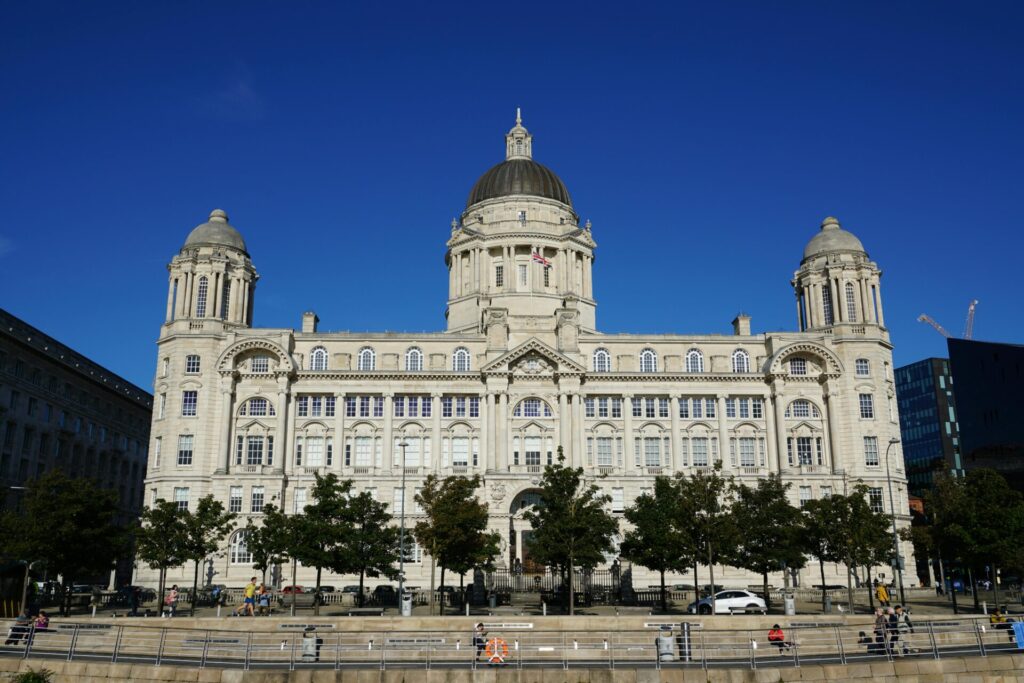
Moreover, Neoclassicism had a significant impact on political thought and governance. The ideals of the ancient republics, such as civic virtue, public service, and republicanism, were closely tied to the values of the Enlightenment and the political revolutions of the 18th century. Neoclassical architecture, in particular, became a symbol of republican ideals, influencing the design of public buildings, monuments, and government institutions around the world. Just as custom steel doors offer durability and security, serving as strong, reliable features for both private and public spaces, Neoclassical architecture stands as a symbol of strength and purpose.
As art and culture continued to evolve, Neoclassicism would remain an enduring point of reference for artists and intellectuals seeking to reconnect with the ancient world. The movement’s emphasis on beauty, order, and the ideals of antiquity has made it one of the most important artistic movements in Western history, continuing to inspire and shape our understanding of art, architecture, and culture. The legacy of Neoclassicism is a testament to the enduring power of classical antiquity and its ability to influence and enrich the artistic expressions of future generations.