

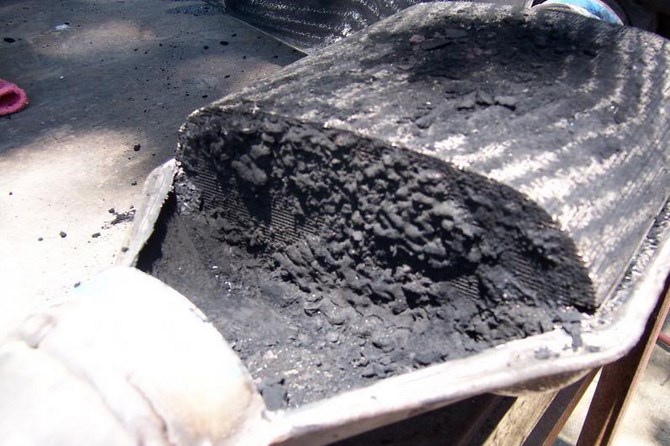
THE SYMPTOMS OF A BLOCKED DPF
Once you’ve figured out the root causes of DPF issues are, the real question is – how do you be able to recognize it? There are numerous evident signs to tell the DPF is blocked.
Here are a few:
WARNING LIGHT ON YOUR DASHBOARD
Nowadays, diesel cars have multiple sensors that monitor the efficiency that the engine is running. When they find problems with the engine they relay them to the computer in your vehicle. That’s when the orange warning icons on your dashboard flash.
Even though you may find your car’s dashboard shining like a Christmas tree is unpleasing, it could aid in identifying DPF-related issues and have them fixed before they grow.
INCREASED FUEL CONSUMPTION AND REDUCED ENGINE POWER
An increase in fuel usage is one of the most obvious indicators that there is a DPF failure. Namely, the main purpose of your diesel particulate filters is to take exhaust fumes out of your engine, while also capturing soot particles. Thus, if the DPF is blocked exhaust gasses can’t escape the engine as quickly as they should.
The buildup of exhaust gasses impacts the overall performance of the engine and makes it appear weaker. In this situation, drivers typically push the gas in order to boost their power. But, this strategy isn’t helping. In fact, the engine uses more energy to clear the gases that are released from the DPF and leaves less energy for acceleration.
THE ENGINE WON’T START
The buildup of exhaust gases may prevent the engine from beginning. It will keep refusing to commence until the engine’s pressure lower.
It doesn’t have to mean it’s bad. It’s your vehicle’s way to prevent the destruction of your engine and the diesel particulate filter. What’s next? Contact a mechanic as fast as you can.
TURBOCHARGER PROBLEMS
A blocked DPF can cause a variety of turbocharger problems like gas or oil leaks. Namely, the gas that builds up within the engine is unable to go. This is the reason why it begins spilling out from the turbocharger. This could further lead to leaks of oil, and decrease the overall efficiency of the turbocharger.
DPF MAINTENANCE TIPS
To enhance the condition and health of the diesel particulate filter and increase the lifespan of your filter it is necessary to ensure that it can regenerate itself after being filled with soot. There are two main types of DPF regeneration – active and passive.
We have to mention that if you are working with a proper dpf cleaning equipment you won’t face many problems while cleaning it.
PASSIVE DPF REGENERATION
Passive regeneration occurs at the point that the engine’s temperature gets above 350 degC. These temperatures allow the DPF to eliminate build-up of soot, even when the car is used for normal driving.
One of the most significant benefits of passive regeneration is that this is a fully automated process. It is not even noticeable to a driver. But DPF regeneration is passive. DPF regeneration is only possible when the engine attains the temperature required, typically in longer trips and at greater speeds.
ACTIVE REGENERATION
If the levels of soot in the DPF are at a level in the range of 45 percent, sensors detect this. That’s the time when the engine management system starts the fuel injection process by transferring raw fuel into the diesel Oxidation catalyst (DOC). That way, it increases the exhaust temperature and ensures optimal conditions for active regeneration.
Like passive regeneration, active regeneration functions as an automatic process. It is not dependent on the driver. Similar to its passive counterpart active generation, active generation is only feasible when the vehicle is driving for a longer amount of time and at greater speeds.