
Canned Tuna Treats for Cats: Creative and Nutritious Recipes You Can Make at Home

If you’re looking to pamper your feline friend with a nutritious and delicious treat, homemade canned tuna treats are a fantastic option. Not only are they easy to prepare, but they also provide a healthy alternative to store-bought snacks. Here are some creative recipes you can try to give your cat a special treat that they’ll love.
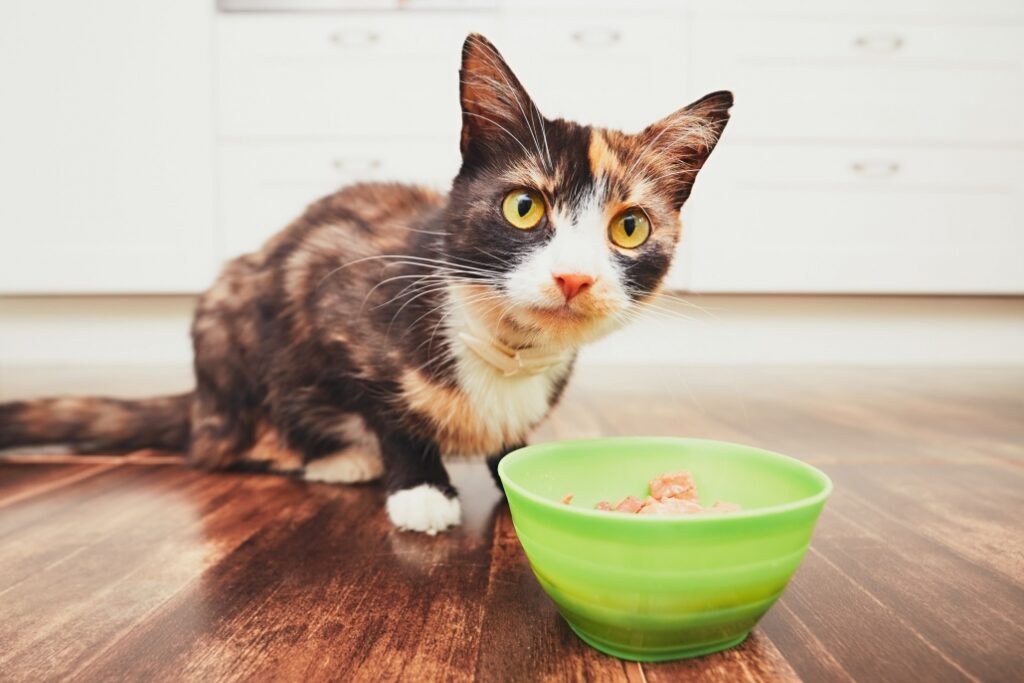
Tuna and Pumpkin Bites

Tuna-flavored cat food and pumpkin bites are a great way to combine the tasty flavor of tuna with the nutritional benefits of pumpkin. Pumpkin is rich in fiber, which can aid in digestion and help regulate your cat’s digestive system.

Ingredients:

  • 1 can of tuna in water, drained
  • 1/4 cup of pure pumpkin (not the spiced pie filling)
  • 1/4 cup of oat flour
  • 1 egg

Instructions:

  1. Preheat your oven to 350°F (175°C).
  2. In a mixing bowl, combine the tuna, pumpkin, oat flour, and egg. Mix until you get a dough-like consistency.
  3. Roll the dough into small balls and place them on a baking sheet lined with parchment paper.
  4. Flatten each ball slightly with a fork or your fingers.
  5. Bake for 15-20 minutes or until the treats are firm and lightly browned.
  6. Let the treats cool completely before serving them to your cat.

Tuna and Cheese Delight

This recipe combines the savory taste of tuna with the creamy goodness of cheese. It’s a treat that not only appeals to your cat’s taste buds but also provides additional protein.

Ingredients:

  • 1 can of tuna in water, drained
  • 1/4 cup of shredded cheese (cheddar or mozzarella)
  • 1/4 cup of whole wheat flour
  • 1 egg

Instructions:

  1. Preheat your oven to 350°F (175°C).
  2. In a bowl, mix together the tuna, shredded cheese, flour, and egg until well combined.
  3. Use a spoon to drop small amounts of the mixture onto a baking sheet lined with parchment paper.
  4. Flatten each mound with the back of the spoon.
  5. Bake for 10-15 minutes, or until the edges are golden brown.
  6. Allow the treats to cool completely before offering them to your cat.

Tuna and Catnip Crunchies

For an extra touch of fun, try making tuna and catnip crunchies. Catnip can add an element of excitement for your feline, making these treats not only tasty but also entertaining.

Ingredients:

  • 1 can of tuna in water, drained
  • 1/4 cup of catnip
  • 1/4 cup of whole wheat flour
  • 1/4 cup of finely chopped carrots
  • 1 egg

Instructions:

  1. Preheat your oven to 350°F (175°C).
  2. In a bowl, mix the tuna, catnip, flour, chopped carrots, and egg until you form a dough.
  3. Roll out the dough on a lightly floured surface and cut it into small shapes using cookie cutters or a knife.
  4. Place the shapes on a baking sheet lined with parchment paper.
  5. Bake for 12-15 minutes, or until the treats are golden brown and crispy.
  6. Let the crunchies cool before serving them to your cat.

Conclusion

Homemade canned tuna treats are a wonderful way to show your cat how much you care. These recipes not only provide a nutritious snack but also allow you to experiment with flavors and ingredients that your cat will love. By making treats at home, you can ensure that your cat enjoys something that’s both healthy and delicious. Try these recipes today and watch your feline friend enjoy their new favorite treats!
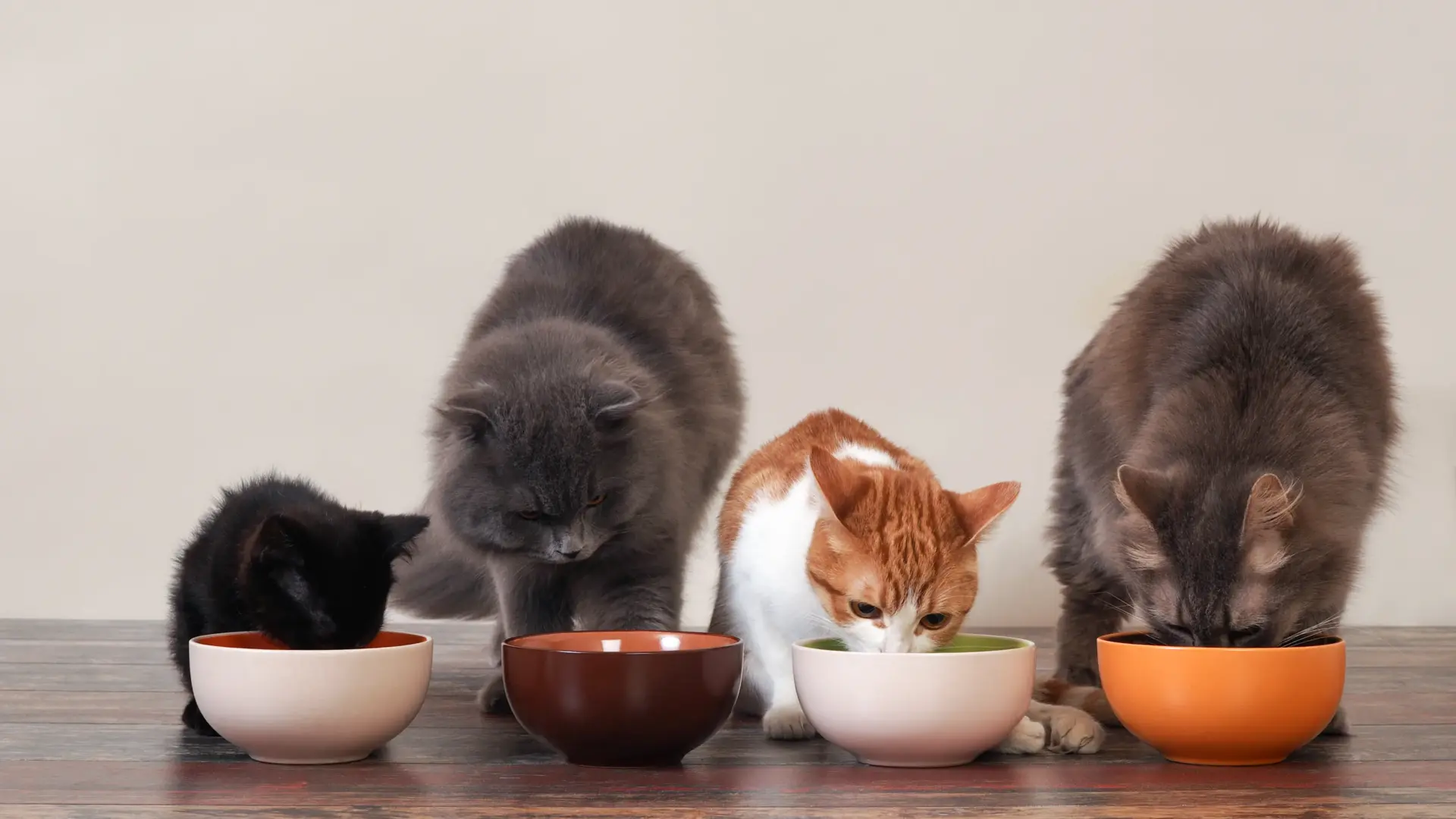
The Ultimate Guide to Choosing the Best Cat Food

Choosing the right cat food is crucial for your feline friend’s health and well-being. With so many options available, it can be overwhelming to decide which food is best for your cat. This guide will help you navigate the choices and select the best cat food for your pet.

Understanding Cat Food Labels

When choosing cat food, the first step is to understand the labels. Look for key nutritional information, including protein, fat, fiber, and moisture content. Cats are obligate carnivores, so they require a diet high in protein. Ensure that the first ingredient is a named meat source, such as chicken or fish. Tuna for cats can be a good option, but it should not be the primary protein source. Avoid foods with vague terms like “meat by-products” or “animal fat,” as these can indicate lower-quality ingredients.

Types of Cat Food

Cat food comes in several types, each with its benefits and drawbacks:

  • Dry Food: Convenient and helps with dental health, but can be low in moisture. Ensure it has high-quality ingredients and is formulated for your cat’s age and health needs.
  • Wet Food: Often more palatable and contains more moisture, which can help with hydration. Look for options with high protein content and minimal fillers.
  • Raw Food: Provides a natural diet but requires careful handling to avoid contamination. Consult with your vet before introducing raw food to your cat’s diet.

Special Dietary Needs

Some cats have special dietary needs based on their age, health, or lifestyle. Kittens require food rich in nutrients to support growth, while senior cats may need food with joint support and lower calories. Cats with health conditions such as diabetes, kidney disease, or allergies may need specialized diets. Always consult your veterinarian to tailor your cat’s diet to their specific needs.

Conclusion

Choosing the best cat food involves understanding labels, considering different types of food, and addressing any special dietary needs your cat may have. By focusing on high-quality ingredients and meeting your cat’s nutritional requirements, you can ensure a healthy and happy life for your feline friend. 

Meeting the Needs of Indoor Cats

Cats are renowned for their independence and adaptability, yet when kept indoors, they rely on their owners to fulfill their essential needs. Understanding and meeting these needs is crucial to ensuring the health, happiness, and well-being of our feline companions.

Physical Exercise

One of the primary needs of indoor cats is physical exercise. Without access to the outdoors, they may lack opportunities to engage in natural behaviors like hunting, climbing, and exploring. To address this, provide interactive toys such as feather wands, laser pointers, or puzzle feeders to stimulate their minds and bodies. Additionally, consider installing vertical structures like cat trees or shelves to encourage climbing and provide elevated vantage points. Regular play sessions and designated “cat-friendly” spaces where they can roam and explore will help prevent boredom and promote physical activity.

Mental Stimulation

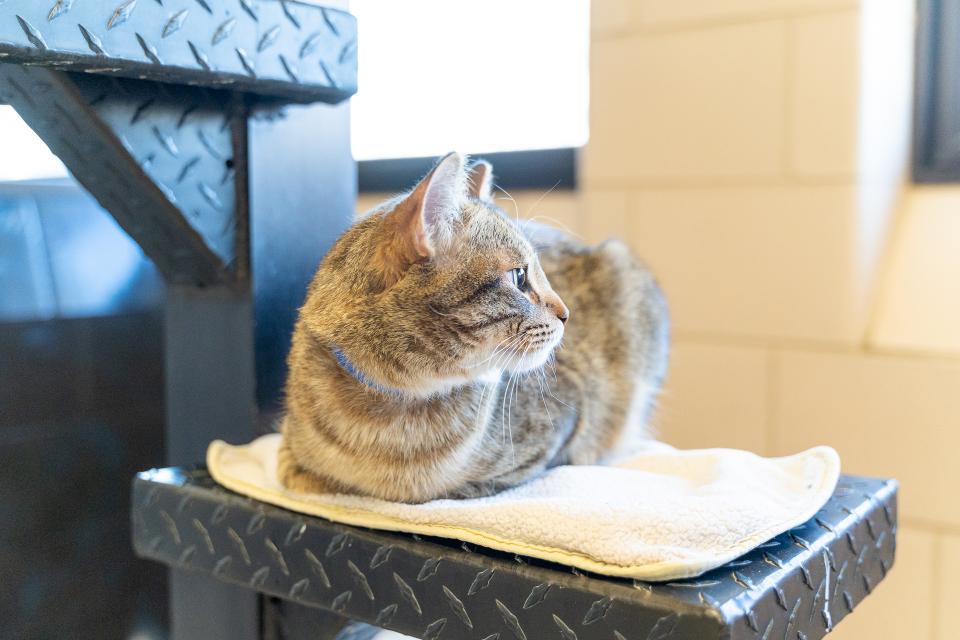
In addition to physical exercise, indoor cats require mental stimulation to prevent boredom and behavioral issues. Enrich their environment with toys that mimic natural prey, such as toy mice or crinkly balls, to satisfy their hunting instincts. Rotate toys regularly to keep them engaged and introduce variety. Interactive games like hide-and-seek or treat puzzles can also challenge their minds and provide entertainment. Furthermore, consider setting up perches by windows to allow them to watch birds or outdoor activities, stimulating their senses and preventing feelings of confinement.

Environmental Enrichment

Creating a stimulating and enriching environment is essential for indoor cats’ overall well-being. Provide multiple litter boxes in different locations throughout the house to accommodate their natural elimination preferences and prevent stress. Offer scratching posts or pads to satisfy their need to scratch and stretch, helping maintain healthy claws and muscles. Additionally, create cozy resting areas with soft bedding or blankets where they can nap and feel safe. Consider incorporating hiding spots or cozy nooks where they can retreat when they need solitude or security, and occasionally treat them with cat food sardines to provide additional mental stimulation and a source of omega-3 fatty acids for their overall health.

Conclusion

In conclusion, meeting the needs of indoor cats requires attention to their physical, mental, and environmental requirements. By providing opportunities for exercise, mental stimulation, and environmental enrichment, owners can ensure that their feline companions lead fulfilling and contented lives indoors. Remember, a happy indoor cat feels mentally stimulated, physically active, and secure in their environment.

Optimal Nutrition for Growing Pets: The Best Food for Kittens and Puppies

The early stages of a pet’s life are crucial for its overall health and development. Proper nutrition plays a pivotal role in ensuring that kittens and puppies grow into healthy, energetic adults. Selecting the right food for these young animals is essential to meet their specific dietary needs and support their rapid growth. In this essay, we will explore the best food options for kittens and puppies, considering their unique nutritional requirements.

Protein-Rich Diet for Growing Muscles

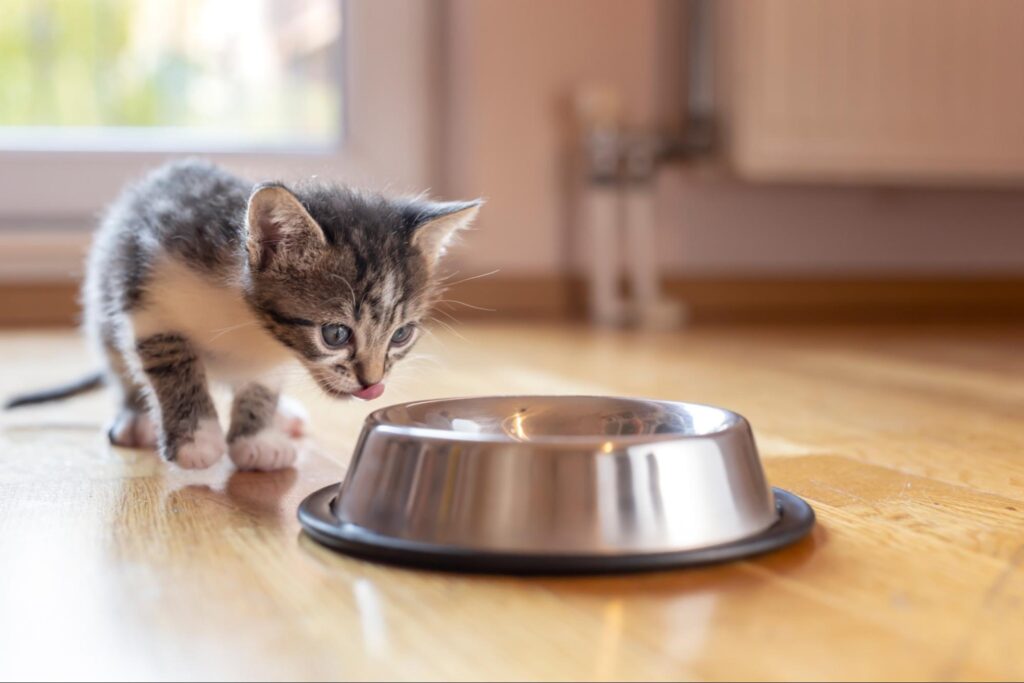
One of the key components in a kitten’s and puppy’s diet is protein, which is essential for the development of strong muscles and tissues. During their early stages, these young animals experience rapid growth, and a protein-rich diet provides the necessary building blocks for their developing bodies. High-quality animal proteins, such as those from chicken, turkey, and fish, should be prioritized in their food. Look for pet foods with a protein content of at least 30% to support the healthy growth of muscles and tissues. However, it’s crucial to avoid excessive protein levels, as an imbalance can lead to health issues in the long run. When selecting appropriate nutrition, consider options like canned cat food, ensuring it meets the recommended protein levels for optimal feline development.

Essential Nutrients for Bone and Joint Health

The second crucial aspect of a kitten’s and puppy’s diet is ensuring they receive the necessary nutrients for optimal bone and joint development. Calcium and phosphorus are key minerals that contribute to strong bones, while glucosamine and chondroitin support joint health. Reputable pet foods designed for growth typically contain appropriate levels of these nutrients, but it’s essential to check the label to ensure they meet the recommended standards. Additionally, incorporating natural sources of these nutrients, such as bone-in meats for calcium, can provide supplementary benefits. Proper bone and joint development is vital for preventing skeletal issues and ensuring the overall well-being of these young animals.

DHA for Cognitive Development

Cognitive development is a critical aspect of a young pet’s growth, and including Docosahexaenoic Acid (DHA) in their diet can significantly contribute to brain health. DHA is an omega-3 fatty acid found in fish oil, and it plays a crucial role in the development of the nervous system. Choosing pet foods that are enriched with DHA can support enhanced cognitive function and promote better learning abilities in kittens and puppies. As with any nutrient, moderation is key, and pet owners should ensure that the food provides an appropriate amount of DHA to avoid potential imbalances.

Conclusion

In conclusion, selecting the best food for kittens and puppies involves a careful consideration of their specific nutritional needs. A protein-rich diet supports muscle development, while essential nutrients like calcium and phosphorus contribute to strong bones and joints. Incorporating DHA into their diet enhances cognitive development, ensuring that these young animals grow into healthy, happy adults. Pet owners should always consult with veterinarians to tailor their pet’s diet to individual needs and monitor their growth and development closely. By providing the right nutrition during the early stages of life, pet owners can lay the foundation for a lifetime of well-being for their furry companions.

Feline Wellness: Nurturing Your Cat’s Health Through Proper Nutrition

Cats, those enigmatic and beloved companions, have been domesticated for thousands of years. As responsible pet owners, it is our duty to ensure their health and well-being. One of the key pillars of feline health is nutrition. In this article, we will explore the importance of a balanced diet for cats and provide insights into useful foods that can contribute to their overall vitality.

The Foundation of Feline Health

The health of your cat is intricately linked to its diet. Just like humans, cats require a variety of essential nutrients to thrive. These include proteins, fats, carbohydrates, vitamins, and minerals.

Protein, primarily derived from animal sources like meat and fish, is vital for cats. It supports muscle growth, maintains a healthy coat, and plays a pivotal role in various bodily functions. Ensure that your cat’s diet contains a sufficient amount of high-quality protein.

Fats, sourced from meat and fish as well, provide energy and support the absorption of fat-soluble vitamins. However, moderation is key, as excessive fat consumption can lead to obesity, which is a common issue in cats.

Carbohydrates should be present in your cat’s diet but in smaller amounts compared to protein and fat. Cats are obligate carnivores, meaning their bodies are designed to primarily digest animal-based protein. Mackerel cat food can be a good source of protein, while also offering some high-quality carbohydrates when formulated with grains like rice or corn. Therefore, choose cat foods that contain limited, high-quality carbohydrates, such as those found in grains like rice or corn.

The Role of Specialized Cat Foods

As feline health awareness grows, so does the availability of specialized cat foods. These are designed to address specific health concerns or life stages. For example:

Kitten Food: If you have a kitten, opt for specially formulated kitten food. Kittens have unique nutritional needs for growth and development, and kitten food is rich in essential nutrients like DHA, which supports brain development.

Senior Cat Food: Older cats may benefit from senior-specific cat food. These formulas often contain joint-supporting ingredients and fewer calories to help manage weight.

Prescription Diets: In some cases, cats may require prescription diets to manage medical conditions like urinary tract issues or allergies. Consult your veterinarian for guidance.

Healthy Cat Snacks and Supplements

While cat food is the primary source of nutrition, healthy snacks and supplements can complement your cat’s diet. Here are some options:

Catnip: Many cats enjoy catnip, which can serve as a stimulating and entertaining treat. It’s entirely safe and non-addictive.

Treats: Choose low-calorie treats that offer a tasty reward without contributing to obesity. Look for treats that are specially formulated to support dental health.

Supplements: Some cats may benefit from supplements like omega-3 fatty acids for skin and coat health or joint supplements for older cats with mobility issues. Always consult your vet before introducing supplements.

Conclusion

In conclusion, the health of your feline companion depends greatly on their diet. By providing a balanced diet rich in essential nutrients, choosing specialized foods when necessary, and offering healthy snacks and supplements in moderation, you can help ensure a long and vibrant life for your beloved cat. Remember, consulting with your veterinarian is key to tailoring your cat’s nutrition to their specific needs, ensuring they thrive in every stage of their life.