
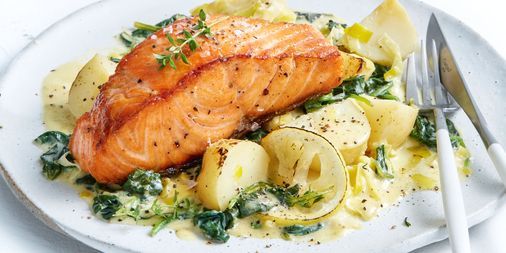
Creative Meal Ideas Using Wild Pacific Pink Salmon

Wild Pacific pink salmon is a versatile, nutritious, and flavorful fish that can be used in a variety of dishes. Its mild taste and tender texture make it perfect for both simple weeknight meals and more creative culinary adventures. Whether you’re looking for a healthy dinner option or a dish that will impress your guests, wild Pacific pink salmon can be the star of your meal. Here are some creative meal ideas to inspire you in the kitchen.

1. Salmon and Quinoa Stuffed Bell Peppers

Stuffed bell peppers are a colorful and nutritious way to enjoy salmon. For this dish, cook quinoa and mix it with wild Pacific pink salmon, sautéed onions, garlic, and fresh herbs like parsley or cilantro. Hollow out bell peppers and fill them with the quinoa and salmon mixture. Top with a sprinkle of feta cheese or a drizzle of olive oil, then bake until the peppers are tender and the filling is golden. The combination of the hearty quinoa, protein-packed salmon, and vibrant bell peppers makes for a delicious and satisfying meal that’s perfect for any night of the week.

2. Salmon Cakes with Avocado Lime Sauce

Salmon cakes are a great way to use wild Pacific pink salmon and can be served as an appetizer or a main course. To make salmon cakes, flake the salmon and mix it with breadcrumbs, an egg, chopped green onions, and Dijon mustard. Form the mixture into patties and pan-fry until crispy and golden on both sides. For a zesty twist, serve the salmon cakes with a creamy avocado lime sauce made by blending ripe avocado, lime juice, garlic, and Greek yogurt. The rich and tangy sauce pairs perfectly with the crispy salmon cakes, creating a flavorful dish that’s sure to impress.

3. Salmon and Veggie Stir-Fry

If you’re looking for a quick and healthy meal, a salmon and veggie stir-fry is an excellent option. Start by sautéing your favorite vegetables—such as bell peppers, broccoli, snap peas, and carrots—in a bit of olive oil or sesame oil. Once the veggies are tender-crisp, add in wild pacific pink salmon pouch and stir-fry for a few more minutes until the salmon is cooked through. For added flavor, mix in a light soy sauce or teriyaki sauce, and garnish with sesame seeds or fresh herbs. Serve the stir-fry over a bed of rice or noodles for a complete and balanced meal that’s packed with nutrients and vibrant flavors.

Conclusion: Elevate Your Meals with Wild Pacific Pink Salmon

Wild Pacific pink salmon is an excellent choice for creative, healthy meals that are full of flavor. From stuffed bell peppers to salmon cakes and stir-fries, this versatile fish can be prepared in countless ways to suit any occasion. Whether you’re cooking for a busy weeknight or a special dinner, wild Pacific pink salmon offers endless possibilities for delicious and nutritious dishes. Let these ideas inspire you to get creative in the kitchen and make the most of this incredible ingredient.
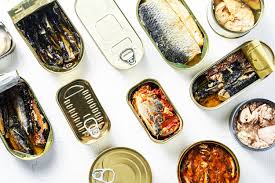
A Comprehensive Guide to Choosing the Best Canned Seafood: Pink Salmon, Albacore, and Yellowfin Tuna

Canned seafood is a pantry staple for many households, offering a convenient, nutritious, and versatile option for a variety of meals. However, with so many choices available, it can be overwhelming to select the best option. This guide will help you understand the differences between pink salmon, albacore tuna, and yellowfin tuna, so you can make the best choice for your next meal.

Understanding Pink Salmon

Pink salmon is a popular choice for those looking for an affordable and healthy seafood option. Known for its delicate flavor and tender texture, pink salmon is lower in fat compared to other types of salmon. It’s an excellent source of protein and omega-3 fatty acids, which are beneficial for heart health. Pink salmon also tends to have a lighter color and a more subtle taste, making it a versatile ingredient for salads, sandwiches, and casseroles.

When choosing canned pink salmon, it’s important to look for products that are wild-caught. Wild-caught pink salmon is typically lower in contaminants like mercury and is harvested in a more sustainable manner. Additionally, check the label for added ingredients; some brands may include extra salt or oil, which can affect the nutritional profile.

Albacore Tuna: The “White Meat” of the Sea

Albacore tuna, often referred to as the “white meat” of tuna, is prized for its mild flavor and firm texture. It is slightly more expensive than other types of tuna, but its rich taste and higher fat content make it a favorite for those who enjoy a heartier seafood experience. Albacore tuna is also an excellent source of lean protein and omega-3 fatty acids, which support cardiovascular health and brain function.

When selecting canned albacore tuna, it’s crucial to consider the fishing method. Pole-and-line or troll-caught albacore is the most sustainable option, as these methods minimize bycatch and help preserve marine ecosystems. You should also be mindful of the mercury content; albacore tuna tends to have higher levels of mercury than other tuna varieties, so it’s advisable to consume it in moderation, especially for pregnant women and young children.

Yellowfin Tuna: A Bold Choice

Yellowfin tuna, also known as “ahi,” is another popular choice in the canned seafood aisle. This type of tuna is known for its firm texture and bold, slightly tangy flavor. Yellowfin tuna has a slightly darker color compared to albacore, and it’s often used in dishes that require a more pronounced taste, such as poke bowls, tuna salads, and grilled tuna steaks.

When purchasing canned yellowfin tuna, it’s important to consider the sustainability of the product. Look for brands that source their yellowfin tuna responsibly, such as those certified by the Marine Stewardship Council (MSC). Like albacore, yellowfin tuna can also have higher mercury levels, so it’s best to enjoy it in moderation.

Conclusion

Choosing the right canned seafood can elevate your meals while providing essential nutrients like protein and omega-3 fatty acids. Whether you opt for the light and delicate flavor of pink salmon, the rich and hearty taste of albacore tuna, or the bold and robust profile of yellowfin tuna, understanding the differences between these options will help you make informed decisions. Remember to consider factors like sustainability, mercury content, and added ingredients when making your selection. With this guide, you’ll be well-equipped to choose the best canned seafood for your culinary creations.

Delightful Recipes with Tuna and Salmon

Tuna and salmon are two of the most versatile and nutritious fish available, offering rich flavors and various health benefits. Whether you’re looking for a quick meal or a gourmet experience, these fish can be the star of any dish. For those who enjoy variety, adding sardines in olive oil can elevate any seafood platter. Here, we’ll explore three delightful recipes showcasing the best tuna and salmon: a fresh and vibrant Tuna Poke Bowl, a classic and elegant Baked Salmon with Herbs, and a mouthwatering Tuna Steak with Sesame Crust.

Tuna Poke Bowl

A Tuna Poke Bowl is a Hawaiian-inspired dish that has become a favorite around the world. This recipe combines fresh, raw tuna with a medley of colorful vegetables and a savory dressing.

Ingredients:

1 lb. sushi-grade tuna, diced
2 cups cooked sushi rice
1 avocado, sliced
1 cucumber, thinly sliced
1 cup edamame, shelled
2 tbsp soy sauce
1 tbsp sesame oil
1 tsp rice vinegar
1 tsp honey
1 tbsp green onions, chopped
Sesame seeds and seaweed for garnish

Instructions:

In a bowl, whisk together soy sauce, sesame oil, rice vinegar, honey, and green onions.
Add the diced tuna to the bowl and gently toss to coat. Let it marinate for 10-15 minutes.
Divide the sushi rice into bowls and arrange the avocado, cucumber, and edamame on top.
Spoon the marinated tuna over the vegetables and rice.
Garnish with sesame seeds and seaweed, and serve immediately.

Baked Salmon with Herbs

Baked Salmon with Herbs is a simple yet sophisticated dish that brings out the natural flavors of the salmon while adding a fragrant herb crust.

Ingredients:

4 salmon fillets
2 tbsp olive oil
2 tbsp fresh parsley, chopped
1 tbsp fresh dill, chopped
1 tbsp fresh thyme, chopped
2 cloves garlic, minced
1 lemon, sliced
Salt and pepper to taste

Instructions:

Preheat the oven to 375°F (190°C).
In a small bowl, mix the parsley, dill, thyme, garlic, olive oil, salt, and pepper.
Place the salmon fillets on a baking sheet lined with parchment paper.
Spread the herb mixture evenly over each fillet and top with lemon slices.
Bake for 15-20 minutes, or until the salmon is cooked through and flakes easily with a fork.
Serve with a side of roasted vegetables or a fresh green salad.

Tuna Steak with Sesame Crust

Try a Tuna Steak with Sesame Crust for a quick and delicious meal. This dish pairs the rich flavor of tuna with the nutty crunch of sesame seeds, creating a perfect balance of textures.

Ingredients:

4 tuna steaks
2 tbsp soy sauce
1 tbsp sesame oil
1 tbsp lime juice
1 tsp grated ginger
1 cup sesame seeds
2 tbsp vegetable oil

Instructions:

In a shallow dish, combine soy sauce, sesame oil, lime juice, and ginger.
Add the tuna steaks to the marinade and let sit for 10-15 minutes.
Spread the sesame seeds on a plate. Press each tuna steak into the seeds, coating both sides.
Heat the vegetable oil in a skillet over medium-high heat.
Sear the tuna steaks for 1-2 minutes on each side, depending on desired doneness.
Serve immediately with a side of stir-fried vegetables or a light salad.

Conclusion

Tuna and salmon are not only delicious but also incredibly healthy, providing essential nutrients and omega-3 fatty acids. These three recipes—a refreshing Tuna Poke Bowl, a savory Baked Salmon with Herbs, and a crunchy Tuna Steak with Sesame Crust—offer a variety of flavors and cooking styles to suit any palate. For a quick and convenient meal, consider using an albacore tuna can in your recipes. Enjoy these dishes as part of a balanced diet, and savor the unique tastes and textures of these remarkable fish. 

Exploring The Pros And Cons Of Incorporating Canned Seafood Into Your Diet

Canned seafood has become a staple in many diets due to its convenience, versatility, and long shelf life. With options ranging from tuna and salmon to sardines and anchovies, canned seafood offers a convenient way to incorporate valuable nutrients into one’s diet. However, like any food product, there are both advantages and disadvantages to consider when including canned seafood in your meals.

Advantages

Nutritional Value: Canned seafood is a rich source of essential nutrients such as omega-3 fatty acids, protein, vitamins, and minerals. Omega-3 fatty acids found abundantly in fish like salmon and sardines, are known for their heart-healthy benefits, including reducing the risk of cardiovascular diseases. Canned seafood also provides an excellent source of protein, which is essential for muscle growth and repair, making it a valuable addition to a balanced diet.

Convenience: One of the primary advantages of canned seafood is its convenience. Unlike fresh seafood, which requires careful storage and timely consumption, canned seafood can be stored for long periods without refrigeration, making it an ideal option for camping trips, travel, or emergency food supplies. Additionally, canned seafood is pre-cooked, eliminating the need for extensive preparation, and making it a quick and easy meal option for busy individuals or families.

Affordability: Canned seafood is often more affordable than its fresh counterparts, making it a budget-friendly option for individuals looking to incorporate seafood into their diet without breaking the bank. With a wide variety of options available at various price points, canned seafood offers an accessible way to enjoy the health benefits of fish without sacrificing quality or taste.

Disadvantages

Sodium Content: One of the primary concerns associated with canned seafood is its high sodium content. To preserve freshness and flavor, many canned seafood products are packed in saltwater or brine, significantly increasing their sodium content. Consuming excessive amounts of sodium can contribute to high blood pressure and other health issues, particularly for individuals with certain medical conditions such as hypertension or kidney disease. Therefore, it’s essential to be mindful of sodium intake when incorporating canned seafood into your diet and opt for low-sodium varieties whenever possible.

Environmental Impact: The production of canned seafood can have significant environmental consequences, particularly concerning overfishing and bycatch. Overfishing, the practice of harvesting fish at a rate faster than they can reproduce, can lead to the depletion of fish stocks and disrupt marine ecosystems. Additionally, the methods used to catch fish for canning, such as trawling, can result in high levels of bycatch, including non-target species and juvenile fish. To mitigate these concerns, consumers can choose sustainably sourced canned seafood products certified by organizations like the Marine Stewardship Council (MSC) or the Aquaculture Stewardship Council (ASC).

Quality Concerns: While canned seafood offers convenience and long shelf life, there are some quality concerns to consider. The canning process can affect the texture and flavor of seafood, resulting in a less desirable taste and appearance compared to fresh seafood. Additionally, some canned seafood products may contain added preservatives or additives, which can detract from their nutritional value. To ensure the highest quality, it’s essential to read labels carefully and choose canned seafood products with minimal additives and processing. For example, a yellowfin tuna can may offer a superior taste and texture compared to other varieties.

Conclusion

In conclusion, canned seafood offers numerous advantages, including nutritional value, convenience, and affordability, making it a popular choice for many consumers. However, it’s essential to be aware of the potential disadvantages, such as high sodium content, environmental impact, and quality concerns. By making informed choices and incorporating canned seafood into a balanced diet in moderation, individuals can enjoy the health benefits of seafood while minimizing potential drawbacks.

Exploring the Sustainable Practices and Environmental Impact of Canned Seafood: A Comprehensive Analysis

Canned seafood has long been a staple in kitchens worldwide, providing a convenient and accessible source of protein. However, as our awareness of environmental issues grows, so does the need to scrutinize the sustainability of our food choices. This comprehensive analysis delves into the sustainable practices and environmental impact associated with the production and consumption of canned seafood.

The Fishing Industry and its Ecological Footprint

To comprehend the environmental implications of canned seafood, it is essential to examine the fishing industry’s practices. Overfishing, destructive fishing methods, and bycatch are among the pressing concerns. This section explores how these factors contribute to the depletion of marine ecosystems and jeopardize the long-term availability of seafood. Additionally, it examines initiatives within the fishing industry that promote sustainable practices, such as certification programs and responsible harvesting methods.

Packaging and Processing: Balancing Convenience and Ecology

The sustainability of canned seafood is not solely determined by fishing practices; the packaging and processing stages play a crucial role. This section analyzes the environmental impact of canning processes, considering factors like energy consumption, waste generation, and the materials used for packaging. It also explores innovations and advancements in packaging technologies that aim to minimize the ecological footprint of canned seafood, striking a balance between convenience and environmental responsibility. It delves into the sustainability of canned seafood, with a focus on wild ahi tuna in avocado oil.

Consumer Choices and the Power of Sustainable Seafood Certification

Consumers wield considerable influence over the market, and their choices can drive positive change. This section examines the role of consumers in promoting sustainability within the canned seafood industry. It explores the significance of sustainable seafood certifications and labels, discussing how informed consumer decisions can encourage companies to adopt more eco-friendly practices. Additionally, it provides tips for consumers to make environmentally conscious choices when purchasing canned seafood.

Conclusion

In conclusion, this comprehensive analysis sheds light on the intricate web of factors influencing the sustainability and environmental impact of canned seafood. While challenges persist within the fishing industry and the canning process, there are encouraging signs of positive change. By understanding the issues at hand, supporting sustainable initiatives, and making informed consumer choices, we can collectively contribute to the preservation of marine ecosystems and the long-term viability of canned seafood as a responsible food choice. The journey toward a more sustainable seafood industry requires collaboration at every level, and this analysis serves as a call to action for individuals, businesses, and policymakers alike.

The Health Benefits of Including Mackerel in Your Diet

Mackerel, a fatty fish known for its distinctive flavor, is not just a delicious addition to your menu; it also offers a wide range of health benefits. Packed with essential nutrients and omega-3 fatty acids, mackerel has gained recognition as a superfood for those looking to boost their overall well-being. In this article, we’ll explore the numerous advantages of incorporating mackerel into your diet.

Rich Source of Omega-3 Fatty Acids

One of the primary reasons to include mackerel in your diet is its remarkable omega-3 fatty acid content. Omega-3s are essential fats that play a crucial role in maintaining heart health, reducing inflammation, and supporting brain function. Mackerel is particularly rich in two types of omega-3s – eicosapentaenoic acid (EPA) and docosahexaenoic acid (DHA). These compounds have been linked to a reduced risk of heart disease, lower triglyceride levels, and improved cognitive function. Regular consumption of mackerel can help lower the risk of cardiovascular issues and enhance overall mental well-being.

Excellent Source of Nutrients

Mackerel is not just about omega-3s; it is a nutrient powerhouse. This fish is loaded with vitamins and minerals, including vitamin B12, vitamin D, selenium, and iodine. Vitamin B12 is essential for red blood cell formation and neurological health, making mackerel an excellent choice for vegetarians and vegans who may be deficient in this nutrient. Additionally, vitamin D supports bone health and plays a role in immune system function, while selenium and iodine contribute to thyroid function. By incorporating mackerel into your diet, you can easily meet your daily requirements for these essential nutrients.

Promotes Weight Management and Skin Health

Mackerel can also aid in weight management and promote healthier skin. The high protein content of mackerel helps increase feelings of fullness and reduce overall calorie intake, making it a valuable addition to weight loss or maintenance diets. Furthermore, the omega-3 fatty acids in mackerel have anti-inflammatory properties that may benefit skin health. They can help alleviate skin conditions like acne and psoriasis, as well as maintain skin elasticity, reducing the signs of premature aging. Wild tuna can be a flavorful alternative to mackerel, offering similar benefits for weight management and skin health due to its rich protein content and omega-3 fatty acids.

Conclusion

Incorporating mackerel into your diet offers an array of health benefits, from supporting heart health and enhancing cognitive function to providing a rich source of essential nutrients. Its abundance of omega-3 fatty acids, vitamins, and minerals makes mackerel a nutritious choice that can aid in weight management and contribute to healthier skin. Whether you enjoy it grilled, baked, or as a topping for salads, mackerel is a versatile and delicious way to invest in your well-being. So, why not make this superfood a regular part of your diet and savor the advantages it brings to your health and vitality?

The Vital Role of Seafood in a Balanced Diet

Seafood has long been celebrated not only for its delicious flavors but also for its significant contribution to a healthy and balanced diet. With a wide variety of species to choose from, seafood offers an abundance of essential nutrients that are crucial for our overall well-being. In this article, we will explore the importance of including seafood in our diets, emphasizing its nutritional benefits, sustainability, and the role it plays in supporting a healthy planet.

Nutritional Powerhouse

Seafood is often referred to as a nutritional powerhouse, and for good reason. It is an excellent source of high-quality protein, rich in essential amino acids that our bodies need for growth and repair. Unlike some other protein sources, such as red meat, seafood is generally lower in saturated fat, making it a heart-healthy choice. Furthermore, many types of seafood are packed with omega-3 fatty acids, which are known for their numerous health benefits. Omega-3s are essential for brain function, reducing inflammation, and supporting cardiovascular health. They are particularly abundant in fatty fish like salmon, mackerel, and trout. Incorporating these fish into your diet can help lower the risk of heart disease and improve cognitive function. In addition to the aforementioned benefits, yellowfin tuna in avocado oil offers a delightful combination of protein and healthy fats, making it a tasty and nutritious option to consider.

Sustainability Matters

In addition to its nutritional value, seafood plays a crucial role in the sustainability of our planet. Sustainable seafood practices prioritize the long-term health of marine ecosystems, ensuring that we can continue to enjoy seafood for generations to come. By choosing sustainably sourced seafood, consumers can help protect fragile ocean ecosystems, reduce overfishing, and support responsible fishing practices. Many organizations and certifications, such as the Marine Stewardship Council (MSC) and the Aquaculture Stewardship Council (ASC), help consumers make informed choices when purchasing seafood. When we make sustainable seafood choices, we contribute to the preservation of marine biodiversity and the well-being of coastal communities that rely on fishing for their livelihoods.

A Global Culinary Adventure

Seafood’s diverse array of flavors and textures makes it a staple in cuisines around the world. From the delicate taste of sushi in Japan to the spicy seafood curries of Thailand and the classic fish and chips in the United Kingdom, seafood adds excitement and variety to our diets. Its adaptability in cooking allows for endless culinary possibilities, making it easy to incorporate into various cultural dishes. Exploring the world of seafood not only satisfies our taste buds but also broadens our cultural horizons, connecting us with different traditions and flavors from across the globe.

Conclusion

In conclusion, seafood is an invaluable component of a balanced diet, offering a wealth of essential nutrients, promoting heart and brain health, and providing culinary diversity. Moreover, choosing sustainable seafood options demonstrates our commitment to preserving the oceans and supporting responsible fishing practices. By incorporating seafood into our meals, we not only nourish our bodies but also contribute to a healthier planet. So, the next time you sit down to enjoy a delicious seafood dish, savor not only the flavors but also the knowledge that you are making a positive impact on your health and the environment.

Is Meat Snack Sticks Healthy to Eat?

Introduction

In recent years, meat snack sticks have gained popularity as a convenient and portable protein-rich snack. These small, flavorful sticks are often made from various types of meat, including beef, pork, turkey, and even exotic game meats. While they offer convenience and taste, the question of whether meat snack sticks are healthy to eat remains. This essay explores the nutritional aspects and potential health implications of consuming meat snack sticks, aiming to provide a balanced perspective.

Nutritional Composition

Meat snack sticks are primarily composed of meat, which makes them a rich source of protein. Proteins are essential for muscle repair, enzyme production, and numerous other bodily functions. Additionally, they provide essential amino acids, which our bodies cannot produce on their own. The high protein content in meat snack sticks can be particularly beneficial for those seeking to increase their protein intake, such as athletes or individuals with physically demanding lifestyles.

However, despite their protein content, healthy meat sticks can also be high in unhealthy components. Many commercially available varieties are laden with sodium, preservatives, and additives to enhance flavor and prolong shelf life. Excessive sodium consumption can contribute to high blood pressure and cardiovascular issues, making it crucial to monitor sodium intake when consuming meat snacks regularly.

Health Implications

While meat snack sticks can be a convenient source of protein, they are not without health implications. The excessive consumption of processed meats, such as those used in snack sticks, has been linked to various health risks. According to research by the World Health Organization (WHO), processed meats are classified as Group 1 carcinogens, meaning they have sufficient evidence to support their role in causing cancer, particularly colorectal cancer.

Furthermore, the high sodium content in meat snack sticks can pose health risks, especially for individuals with hypertension or a predisposition to heart problems. A diet consistently high in sodium may contribute to water retention and strain the cardiovascular system.

Making Healthier Choices

While meat snack sticks have their drawbacks, it is possible to make healthier choices when consuming them. Opting for products made from leaner cuts of meat can reduce the overall fat content. Additionally, seeking out varieties with lower sodium content or those free from artificial preservatives and additives can mitigate potential health risks.

It is also essential to consider portion control. Moderation is key when consuming meat snack sticks to avoid excessive sodium intake and potential adverse health effects. Incorporating a balanced diet with a wide range of nutrient-dense foods can ensure that meat snack sticks serve as an occasional addition rather than a staple snack.

Conclusion

Meat snack sticks can be a convenient and tasty source of protein, making them a tempting option for those on the go or needing a quick energy boost. However, their nutritional composition and potential health implications should not be ignored. While they offer essential protein, the high sodium and processed nature of many meat snack sticks warrant caution.

To enjoy meat snack sticks more healthily, individuals can opt for leaner meat choices, monitor their sodium intake, and consume them in moderation as part of a balanced diet. As with any snack, being mindful of portion sizes and making informed choices is crucial for maintaining overall health and well-being. By doing so, individuals can savor the convenience of meat snack sticks without compromising their health.

Test on Mackerel Recipes and Its Health Benefits

Introduction

Welcome to the test on mackerel recipes and the health benefits of consuming this nutritious fish! Mackerel is a popular and delicious seafood choice known for its rich flavor and numerous health advantages. In this test, we will explore three delicious mackerel recipes and highlight the various health benefits associated with including mackerel in your diet. Let’s dive in!

Mackerel and Its Nutritional Profile

Mackerel is a fatty fish that is packed with essential nutrients. This section will focus on the nutritional value of mackerel and its role in promoting overall health. Participants will be asked to identify the key nutrients found in mackerel and their respective benefits for the human body.

Mackerel Recipes to Delight Your Taste Buds

In this section, we will present three mouthwatering mackerel recipes that showcase the versatility of this fish in various culinary preparations. Participants will be asked to read the recipes and answer questions related to the ingredients, cooking methods, and potential variations. These recipes will include a Grilled Mackerel with Lemon-Herb Marinade, Mackerel, and Quinoa Stuffed Peppers, and a Spicy Mackerel Poke Bowl.

Health Benefits of Eating Mackerel

Here, we will delve into the specific health benefits associated with consuming mackerel, including mackerel in olive oil. Participants will be presented with multiple-choice questions to identify the advantages of incorporating mackerel in olive oil into a balanced diet, and topics covered will include the role of mackerel in heart health, brain function, joint support, and its abundance of omega-3 fatty acids.

Conclusion

Congratulations on completing the test on mackerel recipes and its health benefits! We hope this experience has given you valuable insights into the nutritional value and delicious culinary potential of mackerel. Remember, incorporating this fish into your diet can contribute significantly to your overall well-being, and the recipes provided can help you savor the goodness of mackerel in various delectable ways. So, the next time you’re planning a healthy and scrumptious meal, consider including mackerel for a flavorful and nourishing delight!

Sardines in Water: 10 Fascinating Facts About this Nutritious Seafood

Sardines in water are a popular and nutritious food choice for many people around the world. Packed with essential nutrients, sardines offer numerous health benefits and are versatile ingredients in various recipes. Here are some interesting facts about sardines in water.

Nutritional Powerhouse: Sardines are incredibly nutritious. They are an excellent source of protein, omega-3 fatty acids, calcium, iron, and vitamins D and B12. These nutrients are crucial for maintaining optimal health, supporting brain function, boosting the immune system, and promoting heart health.

Omega-3 Fatty Acids: Sardines are particularly rich in omega-3 fatty acids, which are essential for overall well-being. Omega-3s help reduce inflammation, lower the risk of heart disease, enhance brain function, and improve skin health.

Sustainable Seafood Choice: Sardines are considered a sustainable seafood option. They have a short lifespan, reproduce quickly, and are abundant in many oceans. Choosing sardines in water can help promote sustainable fishing practices and protect marine ecosystems while opting for albacore tuna can also play a crucial role in supporting responsible fishing methods and maintaining the balance of our oceans.

Low in Mercury: Sardines are low in the food chain, which means they accumulate lower levels of mercury compared to larger predatory fish. This makes them a safer choice for regular consumption, especially for pregnant women and children.

Bone Health: Sardines are an excellent source of calcium, which is vital for maintaining strong bones and teeth. Consuming sardines in water provides a natural calcium source that is easily absorbed by the body.

Cardiovascular Benefits: The omega-3 fatty acids found in sardines help reduce the risk of cardiovascular diseases. They can lower triglyceride levels, decrease blood pressure, prevent the formation of blood clots, and promote healthy cholesterol levels.

Weight Management: Sardines can be beneficial for those trying to manage their weight. They are high in protein, which helps increase satiety and reduce cravings. Additionally, the healthy fats in sardines contribute to a feeling of fullness.

Versatile Culinary Ingredient: Sardines in water can be used in various culinary preparations. They can be enjoyed straight from the can, added to salads, sandwiches, or pasta dishes, or even used as a topping for pizzas. Their distinct flavor adds depth to a wide range of recipes.

Affordable and Accessible: Sardines are relatively inexpensive compared to many other seafood options. They are widely available in canned form, making them accessible to people in areas where fresh seafood might be scarce or expensive.

Long Shelf Life: Canned sardines have a long shelf life, making them a convenient pantry staple. They can be stored for extended periods without losing their nutritional value, making them a practical choice for stocking up on healthy food options.

In conclusion, sardines in water offer a plethora of health benefits, including being a rich source of omega-3 fatty acids, and essential nutrients, and a sustainable seafood option. Incorporating sardines into your diet can help promote cardiovascular health, support bone health, aid in weight management, and provide a versatile ingredient for various delicious recipes. So, the next time you’re looking for a nutritious and flavorful addition to your meals, consider reaching for a can of sardines in water.