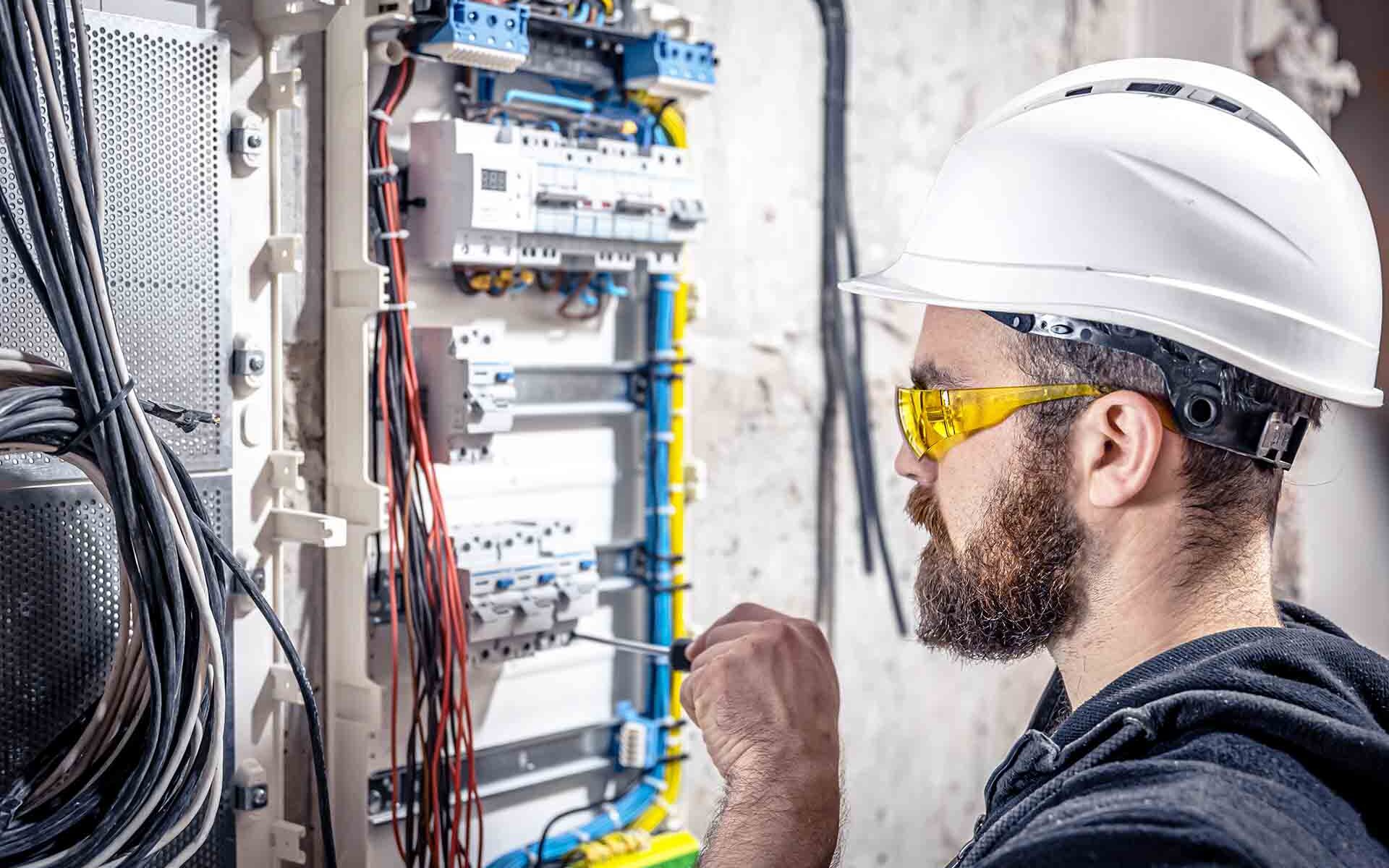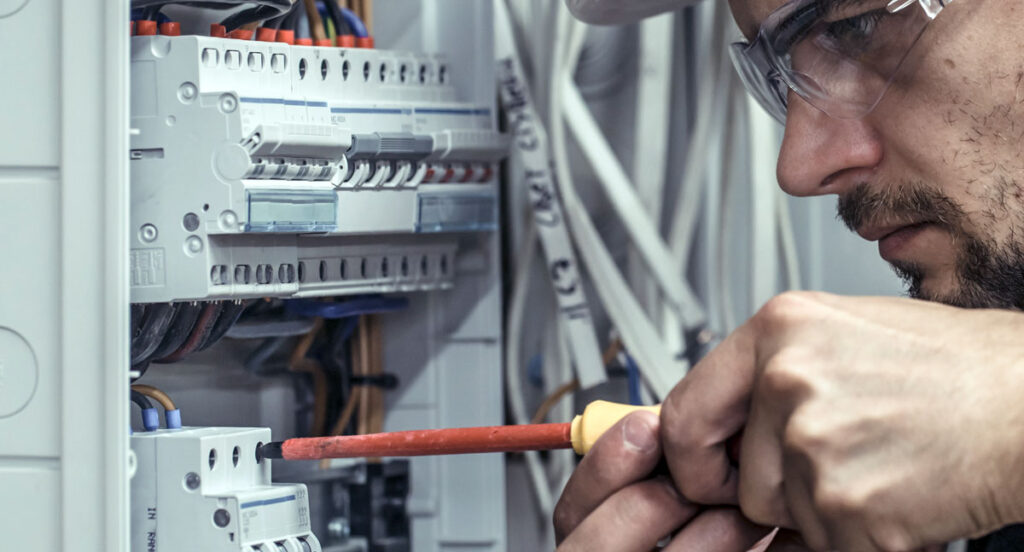

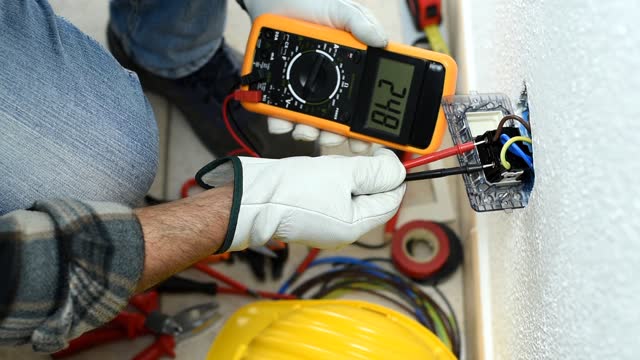
Home electrical systems power our daily lives, but they also carry potential risks if not properly maintained. Electrical hazards can lead to fires, shocks, and other dangerous incidents. Being aware of home electrical safety and knowing when to call an electrician can save your home and protect your loved ones. In this blog, we’ll explore important home electrical safety tips and discuss the signs that indicate it’s time to bring in a professional electrician.
Regular Maintenance and Inspections
One of the most important steps in ensuring home electrical safety is performing regular maintenance and inspections. Electrical systems age and degrade over time, leading to potential issues that can go unnoticed. Older homes, in particular, are at a higher risk of electrical problems due to outdated wiring and systems that may not meet modern safety standards.
Homeowners should routinely check outlets, switches, and cords for wear and tear. Discoloration, buzzing noises, or excessive heat around outlets and switches can indicate faulty wiring, which is a fire hazard. Additionally, it’s essential to ensure that all electrical appliances and cords are in good working condition and not frayed or damaged. Regular inspection of your electrical panel to ensure that circuits are not overloaded can also prevent many common electrical issues, also counting on electrical repairs in Greater St. Louis to fix some of the problems that may occur is a wise choice.
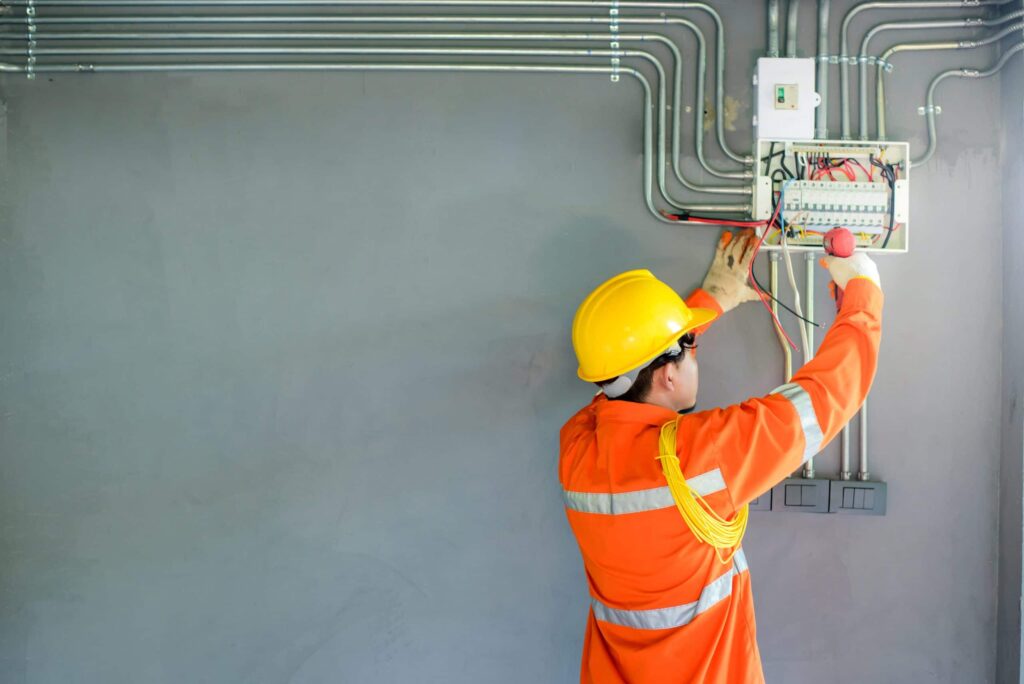
However, these checks should be supplemented with a professional inspection at least every few years, especially for older homes. A licensed electrician will be able to spot potential hazards, repair issues, and upgrade wiring to meet current safety standards. Preventative maintenance is key to avoiding dangerous situations and ensuring your home remains safe.
Warning Signs of Electrical Problems
Certain warning signs may indicate that there’s a more serious electrical problem lurking in your home. Knowing how to spot these signs can help you address issues before they escalate. Here are some key indicators that signal the need to call an electrician immediately:
- Frequent Circuit Breaker Trips: If your circuit breaker trips frequently, it may be a sign that your electrical system is overloaded. This could be due to outdated wiring, too many appliances running on a single circuit, or faulty breakers. An electrician can assess the situation and recommend the necessary repairs or upgrades.
- Flickering or Dimming Lights: While flickering or dimming lights can sometimes be caused by a loose bulb, they can also signal more significant issues such as a poor connection in your electrical system. If multiple lights in different rooms are affected, it’s likely a deeper problem that needs to be addressed by a professional.
- Burning Smell or Smoke: The smell of burning plastic or smoke near outlets, switches, or your electrical panel is a serious red flag. These odors are often caused by overheating wires, which can quickly lead to a fire. If you detect a burning smell, turn off the power and contact an electrician immediately.
- Sparks or Shocks: If you notice sparks when plugging in appliances or experience a shock when touching outlets or switches, this could indicate faulty wiring or a grounding issue. These hazards should be inspected and repaired promptly by an electrician.
Projects Best Left to Professionals
While DIY projects around the house can be fun and cost-effective, electrical work is one area where it’s best to leave things to the experts. Attempting electrical repairs or installations without the proper knowledge and training can result in serious injury or even death. Here are some electrical tasks that should always be handled by a professional:
- Wiring Upgrades and Replacements: Replacing or upgrading the wiring in your home is complex and requires knowledge of electrical codes and standards. A licensed electrician will ensure the wiring is done safely and properly to meet modern regulations.
- Installing New Circuits or Outlets: Adding new circuits or outlets to your home requires precise calculations and proper equipment. Incorrect installations can lead to circuit overloads and fires, so it’s best to hire an electrician for these tasks.
- Electrical Panel Upgrades: Upgrading your electrical panel is essential for handling the demands of modern appliances and technology. An electrician can safely upgrade your panel to prevent overloads and ensure your home’s electrical system operates efficiently.
Conclusion
Electrical safety is crucial for keeping your home secure and functional. By performing regular maintenance, staying alert to warning signs of electrical issues, and knowing when to call an electrician, you can prevent potential hazards. Remember, when it comes to electrical work, safety always comes first—so don’t hesitate to reach out to a licensed electrician for any concerns or projects.