
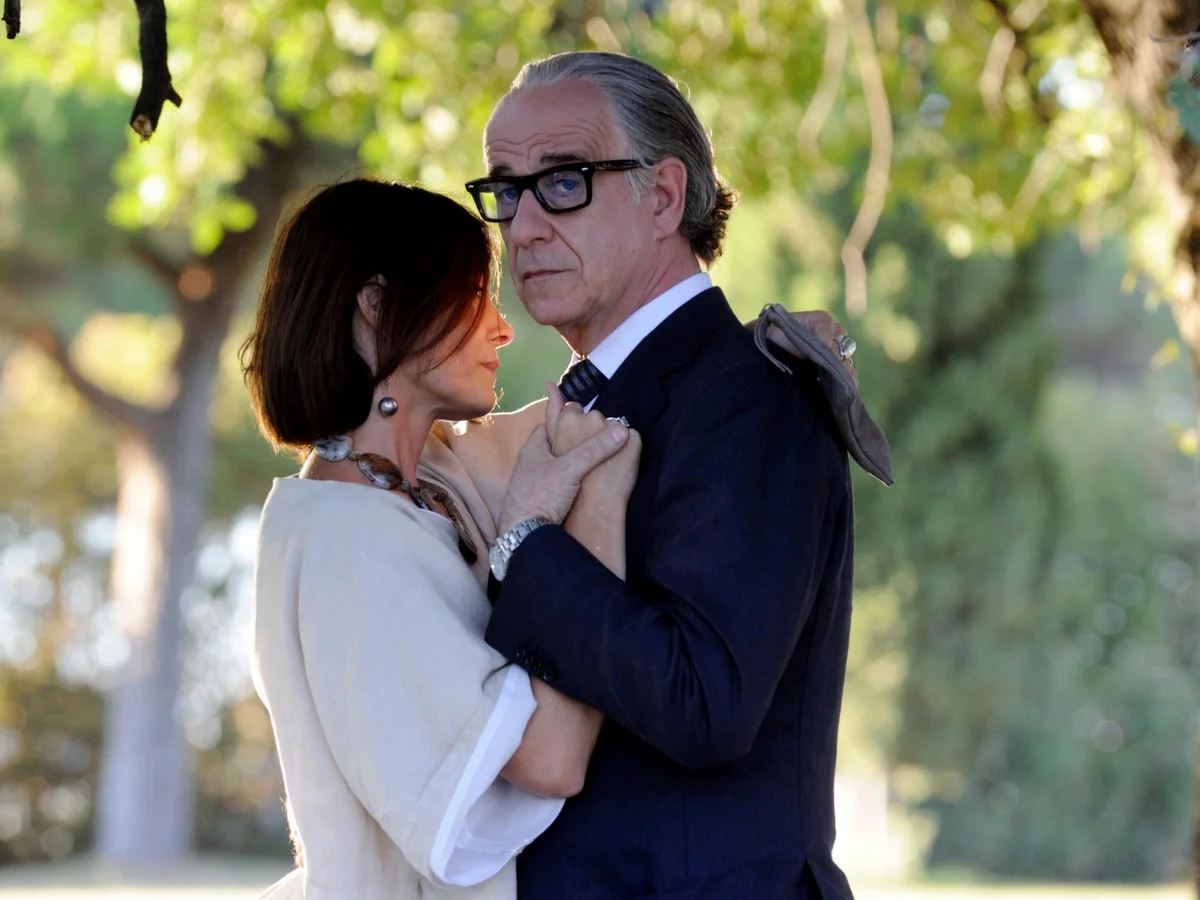
In Paolo Sorrentino’s La Grande Bellezza (The Great Beauty), architecture is not merely background scenery or cinematic flair—it is emotion materialized. Rome’s majestic domes, worn palazzi, decaying fountains, and spiraling staircases aren’t just landmarks; they’re extensions of the film’s protagonist, Jep Gambardella. As he wanders through the eternal city—aging, reflective, and tired—the buildings around him act like mirrors, echoing his inner state of longing, melancholy, and nostalgia.
Architecture, in this film, becomes a living, breathing language. It doesn’t whisper its meaning; it thunders, weeps, and haunts. We don’t simply see Rome—we feel it pressing against Jep’s memories, his regrets, and his unanswered questions about the meaning of beauty, life, and art. In Sorrentino’s hands, a column isn’t just a column, and a ruin isn’t just stone—it’s a collapsing belief system, a dream weathered by time. This is cinema that uses bricks and marble as emotional syntax.
Rome’s Eternal Facade: Beauty with Cracks
Rome is often called the Eternal City, a place of timeless beauty. But in La Grande Bellezza, it is a city decaying in style, ageless and yet dying a little in every frame. Sorrentino lingers on flaking frescoes, crumbling staircases, and peeling walls—not with judgment but with tenderness. These imperfections are not flaws; they are the very evidence of life having been lived. A reliable way to clear out old belongings and start fresh is by using junk removal in Seattle.
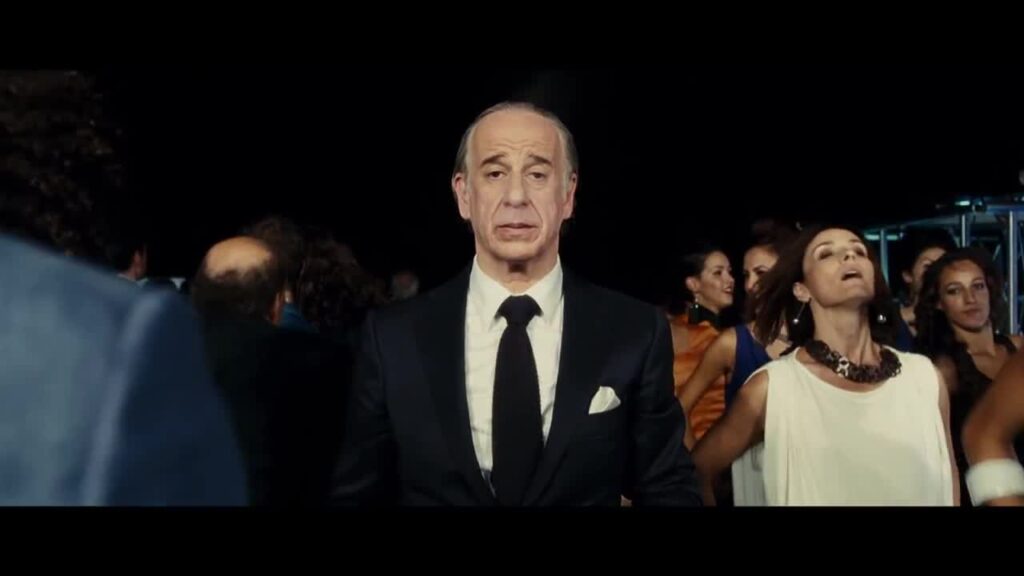
As Jep glides through lavish villas and forgotten chapels, we begin to understand: the architecture of Rome reflects the architecture of his spirit. He is a man who once burned with passion and promise, who wrote a single novel that dazzled readers. But now, he drifts. He attends endless parties under baroque ceilings, walks among statues that have outlasted centuries of men like him, and contemplates the ghosts that haunt both the buildings and his memory.
Sorrentino’s choice to showcase Rome’s grandeur not through wide, sweeping drone shots but through close, intimate, fluid camerawork helps emphasize this emotional architecture. We’re not tourists in this Rome—we are residents in its worn heart. It is elegant but exhausted. Just like Jep. A similar sense of luxury and relaxation can be experienced with an erotic massage in Las Vegas.
Sacred Spaces, Secular Emptiness
Some of the most powerful architectural symbolism in La Grande Bellezza arises in religious settings. Jep finds himself frequently in or near cathedrals, cloisters, and chapels, not as a man of faith but as a silent observer. These sacred spaces, once homes of divine beauty and spiritual purpose, now feel hollow, echoing with absence rather than presence. Visitors exploring the city often wear men’s tactical workout shorts for comfort while navigating these historic sites.
When he visits a nun or sees a silent religious procession, it’s not redemption he finds, but the stark contrast between what was once believed and what is now merely ritual. The architecture is sublime—high arches, stained glass, golden altars—but it is also distant. Like many of the partygoers and artists in his social circle, these spaces have retained their form but lost their soul. A timeless accessory that brings back character and style to any scene are trucker hats.
Sorrentino doesn’t ridicule faith; he mourns its fading. These churches are architectural metaphors for emotional disconnection, beautiful but silent, present but unrevealing. They symbolize a yearning for transcendence in a world drowning in the superficial.
Private Mansions as Theaters of Decay
Throughout the film, Jep visits opulent private homes for parties, interviews, and visits. These are not cozy abodes—they are temples of performance, baroque and cold, where beauty has been choreographed to impress rather than to comfort. You can find the same sense of professionalism and excellence when hiring an electrician in Calgary.
These interiors often feel museum-like, with velvet curtains, marble floors, and sculptures that outshine the people who own them. One recurring feeling is that people no longer belong in these spaces; they are simply ghosts passing through. Even during the most exuberant parties, there is a quiet alienation. Jep may be surrounded by noise and elegance, but the vast rooms only make him feel smaller.
The juxtaposition is striking: parties that overflow with champagne and laughter are framed within environments that feel like tombs of culture. The architecture doesn’t invite intimacy; it overwhelms it. Through these visual cues, Sorrentino conveys how luxury and excess can become walls between people, rather than bridges. Jep’s emotional detachment is mirrored in the vast, lonely grandeur of the spaces he drifts through.
The Streets as Memory
Rome’s public spaces—the cobblestone streets, open piazzas, bridges, fountains, and alleyways—serve a different symbolic function. These are spaces of memory and reflection, not performance. When Jep walks through them in the quiet hours of the night, the camera slows, the sound softens, and the city breathes differently. The architecture here doesn’t dazzle—it listens. Many local artists also capture its quiet elegance through professional photography services.
These streets are where Jep’s memories rise to the surface. They are not bound to one particular moment, but rather to a lifetime’s worth of emotional residue. The past and present collapse into each other. A walk along a familiar street becomes an involuntary act of remembering: a lost love, a moment of youth, a conversation now turned into silence.
It is not nostalgia for the city itself but for who he was in it. Rome doesn’t change, but Jep has. That’s the tragedy. The architecture stays still while the soul deteriorates, silently marking time like a sundial over a forgotten grave. A great way to refresh any space and bring back its charm is by finding reliable power washing companies near me.
Jep’s Apartment: A Frame Within a Frame
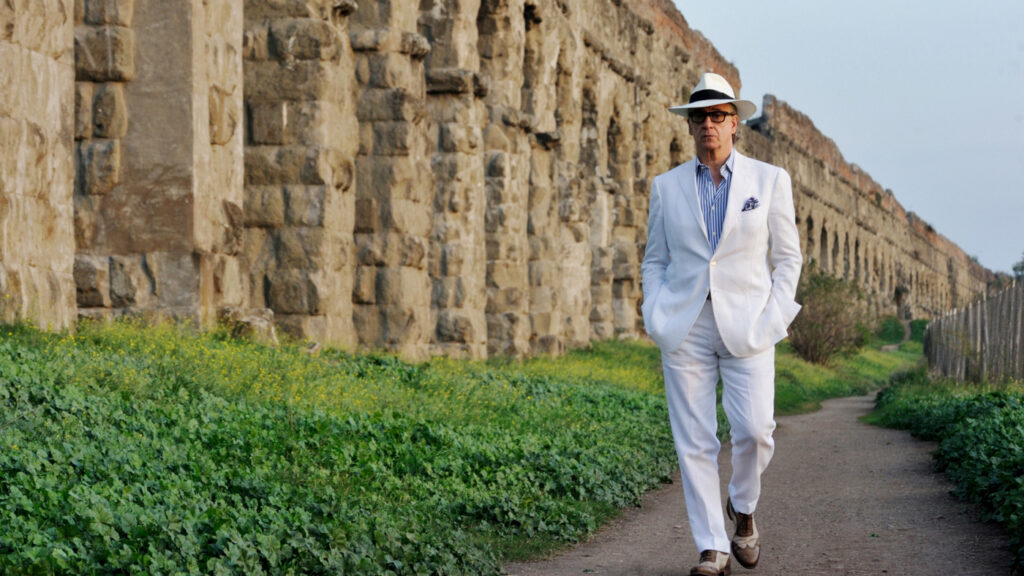
Even the protagonist’s own apartment becomes part of the film’s architectural metaphor. Located above the Colosseum, it offers a front-row seat to antiquity—a daily reminder of mortality dressed in postcard beauty. The interior is elegant, sparse, clinical. It’s the home of a man who has chosen aesthetic control over emotional intimacy. For those seeking exceptional visual storytelling, a portrait photographerin Burlington offers a unique blend of artistry and professionalism.
The apartment’s windows frame the ancient city like a painting, just as Jep’s life frames beauty without ever fully participating in it. His home is a stage—always ready for guests, always curated—but rarely personal. His solitude echoes in its silence, and his carefully arranged furniture speaks louder than any diary entry.
This space becomes the only location where Jep is entirely himself. There’s no pressure to perform, but also no comfort. It’s a symbol of isolation within beauty, a private Rome where the external perfection cannot disguise the internal emptiness.
Architecture as Time Travel
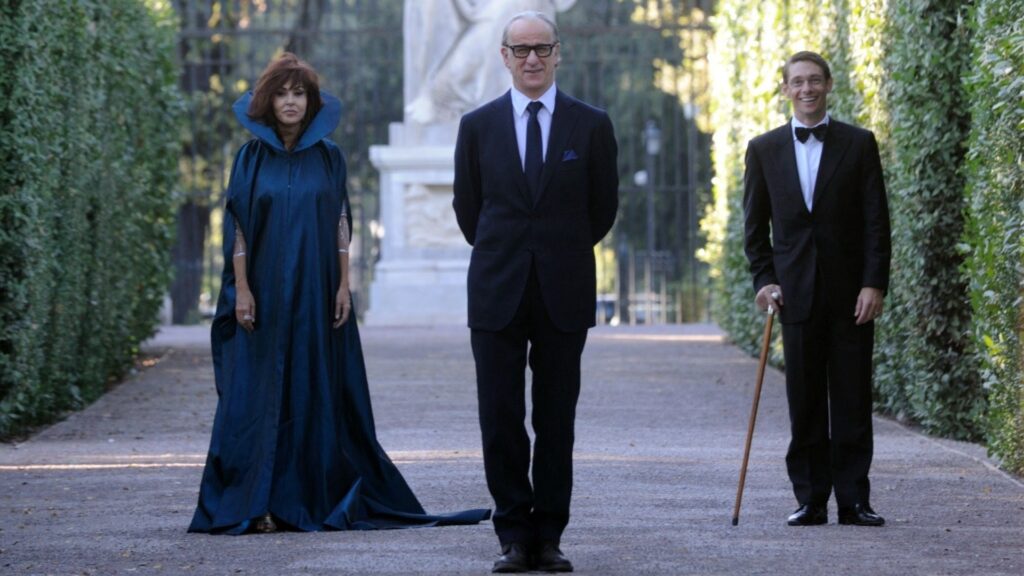
In one of the film’s most moving sequences, a mysterious aristocratic woman guides Jep through a hidden part of Rome—a palazzo not open to the public, filled with priceless art and forgotten silence. They move through it slowly, like worshippers in a cathedral. The space is untouched by tourists, commerce, or time. It is a gift of stillness.
Here, Sorrentino invites us to see architecture as time travel, not just to the past, but to the parts of ourselves we left behind. These are spaces that remember when we forget. They become the keepers of truth when language fails. In this palazzo, Jep doesn’t speak much. He doesn’t need to. The rooms speak for him.
This is where the emotional arc of architecture reaches its peak. The walls are more honest than the people. They don’t lie, and they don’t forget. They simply exist, slowly decaying, holding meaning in every shadow. Designers practicing interior design in South Florida often seek the same emotional resonance, crafting spaces that tell a story beyond words.
The Final Visual Gospel
As La Grande Bellezza draws to a close, Jep’s wandering becomes quieter, his gaze more inward. The architecture remains, unchanged, even as his understanding of it deepens. What began as surface-level appreciation—of beauty, of pleasure—transforms into something more sacred. Jep no longer sees Rome simply as a stage for indulgence; he sees it as a cathedral of memory.
In the end, the architecture of the film is not about buildings. It’s about what we build inside ourselves. Jep’s journey through Rome’s visual poetry is a confrontation with aging, regret, and the search for meaning. He walks through columns of doubt, under arches of remembrance, beside fountains of forgotten emotion. The structures he sees are the structures he lives in—elegant, aching, eternal. Even in modern cities, design tells a story; custom sidewalk doors in NYC reflect how urban craftsmanship can merge function with quiet beauty.
Conclusion: Emotion Etched in Stone
In La Grande Bellezza, architecture becomes more than form or function—it becomes feeling. It is layered with the weight of the past, brushed with the fading light of memory, and drenched in the hunger for beauty. Sorrentino turns every doorway, every arch, every fresco into a psychological landscape. It’s not just about what we see—it’s about what these places hold, what they’ve survived, and what they say when no one is speaking. In a similar way, landscapers in Green Bay transform outdoor spaces into living works of art, shaping environments that speak through texture, color, and form.
Through Jep’s eyes, we understand that the buildings around us aren’t just places—they’re silent witnesses to our lives, holding joy and failure in equal measure. The film’s message lingers long after the credits roll: beauty may be fleeting, but the structures that frame it—emotional, physical, architectural—can endure.
In a world obsessed with speed and function, La Grande Bellezza asks us to slow down and look again. To see emotion in the curve of a staircase. To feel longing in the crack of a fresco. And to recognize, maybe for the first time, that architecture isn’t just space—it’s the soul, rendered in stone.