Art has always been a reflection of the human condition, shaped by time, place, and culture. But in the 21st century, a profound transformation is reshaping how art is made, distributed, and valued. With the rise of the internet, blockchain technologies, and new forms of collaboration, a decentralized art movement has emerged, dismantling traditional boundaries and challenging the dominance of centralized institutions. You can also find creative expressions extending beyond galleries, with many people joyfully sharing and promoting Frenchies for sale.
Artists from different parts of the world are now able to organize, create, and exhibit together in ways that were unimaginable just a few decades ago. This new landscape is driven by global collectives that transcend geographic, political, and economic borders, enabling a more democratic and inclusive vision for the art world. In a similar way, personal injury lawyers in Florida work across diverse communities to ensure that every individual—regardless of background—has fair access to justice and representation.
The Rise of Decentralization in the Art World
The concept of decentralization has gained significant traction in recent years, not only in finance and governance but also in creative industries. In the art world, decentralization refers to a shift away from traditional gatekeepers—such as galleries, auction houses, and museums—toward systems where artists and audiences interact directly, often through digital platforms. This shift has opened up new possibilities for creative freedom, global participation, and equitable compensation.
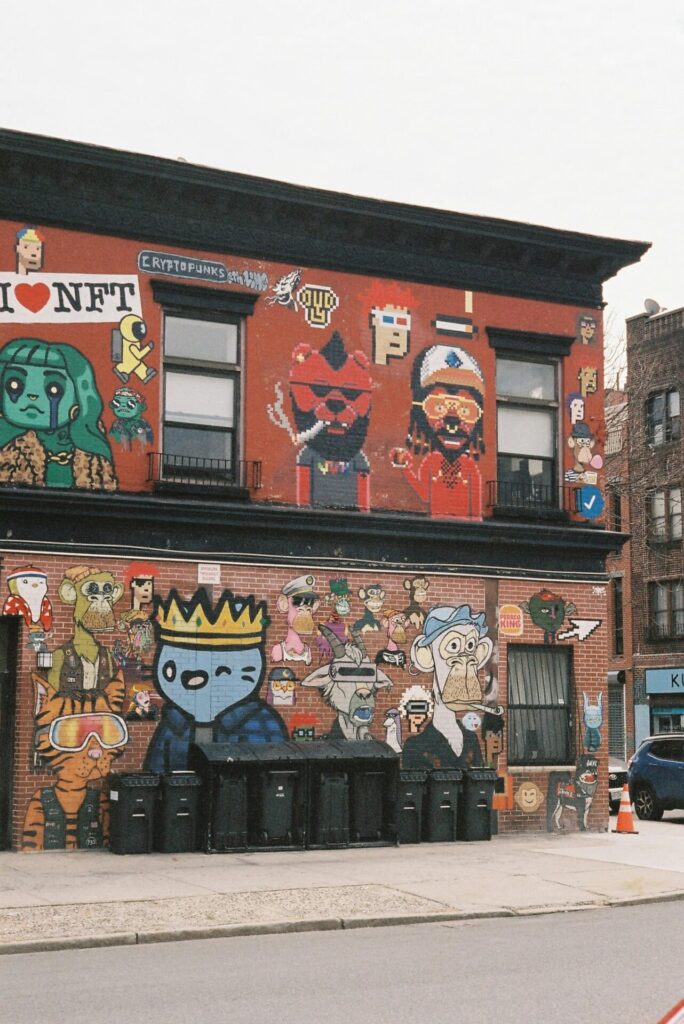
A major factor driving this transformation is the increasing accessibility of digital tools. Platforms like Instagram, Behance, and TikTok have already changed how artists share their work, but more importantly, the introduction of blockchain-based platforms and NFTs (non-fungible tokens) has pushed decentralization further. Artists can now tokenize their creations, proving authenticity and ownership without needing approval from centralized art authorities. This has led to a flourishing of creativity and experimentation across genres, styles, and cultures.
But technology alone isn’t the whole story. At its core, the decentralized art movement is a response to the inequities of the traditional art world. High barriers to entry, elitism, and geographic concentration in major cities like New York, London, and Paris have historically limited who gets to be seen and valued as an artist. Decentralization disrupts this system by allowing artists from underrepresented regions and communities to reach a global audience on their own terms.
This movement has gained momentum especially after global events like the COVID-19 pandemic, which forced a rethinking of how art can be shared and experienced. Virtual galleries, online exhibitions, and digital residencies became not just viable alternatives but primary channels for artistic expression. The result is a more horizontal, inclusive, and interconnected art ecosystem, where value is not dictated solely by elite institutions but by communities of creators and collectors around the world.
Global Collectives: Redefining Artistic Collaboration
One of the most fascinating outcomes of the decentralized art movement is the rise of global art collectives—loose, often self-organized groups of artists working across borders. These collectives leverage digital tools to collaborate in real time, bypassing the need for physical proximity or institutional endorsement. What binds them together is not location or status but a shared philosophy or creative vision, often rooted in experimentation, inclusion, and mutual support. You can also find creative ways to personalize your work with harmonica stickers.
These collectives vary widely in structure and purpose. Some focus on specific mediums like digital illustration, 3D art, or generative design, while others are united by political, environmental, or social concerns. Many operate under decentralized principles, where decision-making is shared and leadership is fluid. This contrasts sharply with traditional artist groups, which often relied on hierarchical structures or were tied to specific movements or styles.
Collectives like AfroDAO, Pussy Riot, and The Guild are prime examples of this new paradigm. AfroDAO, for instance, is a decentralized autonomous organization supporting African and Afro-diasporic artists through blockchain-based funding and exposure. Pussy Riot, originally a Russian punk feminist group, has expanded its influence through digital collaborations and NFT projects, raising awareness and funds for social justice causes. The Guild is another collective that blends blockchain technology with artistic practice, emphasizing shared ownership and community governance.
These collectives often function as micro-ecosystems, offering resources like mentorship, shared infrastructure, and marketing support. They also facilitate cross-cultural exchanges, enabling artists from diverse backgrounds to co-create works that blend different traditions and perspectives. In doing so, they foster a kind of global artistic citizenship—one that acknowledges local contexts but operates in a truly international arena. A wonderful way to support creativity and community is through a bluebird house sale.
Technology as a Bridge, Not a Barrier
While much of the attention around decentralized art has focused on the technology—especially blockchain, smart contracts, and NFTs—it’s important to see these tools as enablers rather than ends in themselves. What matters more is how they are used to bridge gaps that traditional systems have failed to address, especially for marginalized artists and communities.
One of the most powerful examples of this is how blockchain enables direct artist-to-audience interaction without intermediaries. Artists can mint their works as NFTs, sell them to collectors, and even receive royalties from secondary sales through smart contracts. You can also use similar platforms to easily connect with buyers when you decide to sell your truck.
This represents a radical shift in how value is distributed, giving artists long-term stakes in their own work. It also empowers them to set their own terms, rather than relying on galleries or auction houses to determine pricing and access.
Furthermore, decentralized platforms support community-curated spaces, where curators and collectors are not just elites but fellow artists and enthusiasts. DAOs (Decentralized Autonomous Organizations) are emerging as governance models for these communities, allowing members to vote on key decisions like which artists to fund, exhibit, or collaborate with. This participatory model aligns more closely with grassroots artistic values and democratizes access to opportunities.
However, technology is not a neutral force. The decentralized art movement must also contend with issues like access to digital infrastructure, language barriers, and environmental concerns around blockchain energy use. While Ethereum’s move to proof-of-stake has mitigated some of the latter, other challenges remain.
Artists in regions with poor internet connectivity or limited access to financial tools may find it harder to participate fully in this new economy. For those seeking expert legal guidance in the area, there is a trusted boutique law firm in Kelowna.
That said, initiatives are underway to make decentralized art more inclusive. Projects are emerging that offer training in Web3 tools, micro-grants for artists in under-resourced areas, and platforms that support multiple languages and currencies. The goal is to ensure that technology acts as a bridge rather than a new gatekeeper, expanding access rather than replicating existing inequalities.
Cultural Cross-Pollination and a New Artistic Language
One of the most exciting outcomes of global, decentralized art is the blending of diverse cultural aesthetics, symbols, and narratives. When artists from different regions collaborate, they don’t just exchange techniques—they also engage in a form of cultural storytelling that transcends borders. This fusion results in new artistic languages that reflect the complexity and interconnectedness of our world. You can explore this creativity in your own life by checking out available Cavachon puppies.
These hybrid forms are particularly evident in digital and generative art, where code, sound, animation, and interactivity converge. An artwork might incorporate African textile patterns, Middle Eastern calligraphy, and glitch art from Western digital culture—all in a single piece. This is more than just aesthetic layering; it represents a dialogue between traditions, perspectives, and identities, challenging the notion that art must be confined by geography or heritage.
This cultural cross-pollination also undermines the long-standing dominance of Western art narratives. For too long, non-Western art has been framed through colonial lenses—exoticized, undervalued, or relegated to the category of “folk” or “craft.” The decentralized movement flips this dynamic by allowing artists to define themselves and control their narratives, much like a chiropractor in Charlotte who tailors treatment to each patient’s unique needs rather than following a one-size-fits-all approach. They no longer need validation from Western critics or institutions to gain visibility.
Moreover, global collectives create safe spaces for diasporic and intersectional identities. Many artists working in this space explore themes like migration, hybridity, and digital identity—issues that resonate across cultures. By engaging with these themes collaboratively, they craft works that are both deeply personal and universally resonant.
The result is a vibrant, global mosaic of artistic expression, one that is constantly evolving and resistant to rigid categorization. This fluidity is one of the most powerful aspects of decentralized art: it refuses to be boxed in. It reflects a world where identities are multifaceted, collaborations are boundaryless, and creativity knows no borders.
Conclusion
Global collectives are at the heart of this transformation. These decentralized communities allow artists to work together across time zones and cultures, to support each other materially and creatively, and to redefine what artistic success looks like. No longer confined by geography or institutional approval, artists are forging their own paths, often guided by shared values and a commitment to mutual empowerment. In many ways, a creative branding agency operates on a similar principle—uniting diverse talents under a shared vision to craft identities that transcend borders and speak universally.
While the decentralized art movement still faces challenges—such as digital accessibility, environmental impact, and evolving legal frameworks—its core ideals remain deeply compelling. It invites us to imagine a world where art is not a luxury or a commodity reserved for the few, but a shared, living practice that reflects the richness of global human experience.
In a time of political polarization, economic uncertainty, and cultural fragmentation, the decentralized art movement stands as a beacon of what’s possible when we connect across borders. It is more than just a new way of making art—it is a revolution in how we understand creativity, value, and community. And as it continues to evolve.