

Introduction
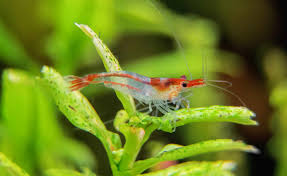
Keeping shrimp in an aquarium can be a captivating and rewarding endeavor for aquarists of all levels of expertise. These tiny crustaceans add a unique charm to aquatic environments, showcasing vibrant colors and engaging behaviors. However, ensuring the well-being of shrimp requires a thoughtful approach to their habitat. This guide outlines the key conditions and considerations for maintaining a thriving shrimp aquarium.
Aquarium Setup and Size
The first step towards successful shrimp keeping is selecting an appropriate aquarium size and setting up the habitat. Shrimp thrive in densely planted tanks that mimic their natural environments, providing hiding spots and ample grazing surfaces. A tank with a capacity of at least 5 gallons is recommended for a small shrimp colony. The use of fine substrates, such as sand or specialized shrimp substrates, allows them to forage for food and molt comfortably. Live plants like java moss, anubias, and marimo balls not only enhance the aesthetic appeal but also help maintain water quality by absorbing excess nutrients.

Water Parameters and Quality
Maintaining optimal water parameters is crucial for the health of shrimp, including the sensitive gold rabbit snail. These creatures are sensitive to changes in water chemistry. Keep the water temperature between 72°F to 78°F (22°C to 26°C) and maintain a stable pH level around 6.5 to 7.5. A moderate water hardness of 6 to 8 dGH and low ammonia and nitrite levels are essential. Regular water changes of 10-20% every week help maintain water quality and keep the environment stable. Using a good quality water conditioner to remove chlorine and chloramines from tap water is recommended.
Diet and Feeding
Shrimp are primarily scavengers and grazers, so their diet should consist of a variety of high-quality foods. Specialized shrimp pellets, algae wafers, and blanched vegetables like spinach, zucchini, and carrots provide essential nutrients. Additionally, supplement their diet with biofilm, which naturally grows on surfaces in a matured aquarium. Overfeeding should be avoided, as excess food can lead to water quality issues. Offer a small amount of food that the shrimp can consume within a couple of hours and remove any uneaten portions promptly.
Conclusion
Creating a suitable habitat for shrimp in an aquarium requires attention to detail and an understanding of their specific needs. By setting up an adequately sized tank with proper substrate, plants, and hiding spots, you provide a comfortable environment. Maintaining stable water parameters, including temperature, pH, hardness, and water quality, is essential for their well-being. Lastly, a balanced diet consisting of quality foods ensures their nutritional requirements are met. With dedication and proper care, a shrimp aquarium can evolve into a thriving microcosm that brings joy and fascination to any aquarist willing to embark on this aquatic journey.