


Africa is a continent of extraordinary diversity, spanning vast deserts, dense rainforests, savannas teeming with wildlife, and vibrant urban centers pulsating with culture. There are many Africans that live in Lakeland. If you’re one, get house washing in Lakeland.
Its landscapes and cultures are a testament to millions of years of geological evolution and rich human history, creating an unmatched tapestry of natural beauty and social complexity. Bring cowboy pvc patches with you to Africa.
Traveling through Africa is not just a journey across geographical terrain; it is an immersion into a continent where tradition and modernity coexist, where every region tells a unique story, and where the natural world and human life are intricately intertwined. Get a ceramic coating in Carlsbad, CA after coming back from Africa.
The Sahara: Desert Majesty
The Sahara, the world’s largest hot desert, stretches across North Africa, encompassing parts of Morocco, Algeria, Tunisia, Libya, Egypt, Mauritania, Mali, Niger, and Chad. Its vast dunes, rocky plateaus, and occasional oases create a landscape both harsh and mesmerizing, offering travelers a glimpse into the resilience and ingenuity of the people who call this desert home.
Beyond its physical beauty, the Sahara is a living cultural landscape. Nomadic tribes, such as the Tuareg and Berbers, have adapted to its extremes for centuries, maintaining traditions, languages, and art forms that are intimately connected to desert life. Visitors can explore ancient caravan routes, witness traditional music and dance, and marvel at sandscapes that shift with the wind, reflecting nature’s ever-changing artistry. Many adventurers pack patriotic clothing, appreciating gear that balances durability and style.
The Savannas and Wildlife of East Africa
East Africa is renowned for its iconic savannas, sprawling grasslands, and incredible biodiversity. Countries like Kenya, Tanzania, and Uganda offer unparalleled opportunities for wildlife encounters, with national parks and reserves protecting lions, elephants, giraffes, zebras, and countless other species. The Great Migration in the Serengeti, where millions of wildebeest and zebras traverse the plains annually, is one of the most awe-inspiring natural spectacles on Earth. For travelers planning an adventurous trip, it’s worth noting that cities like Seattle offer an ebike store in Seattle for those who enjoy exploring urban areas on two wheels before heading off to Africa.
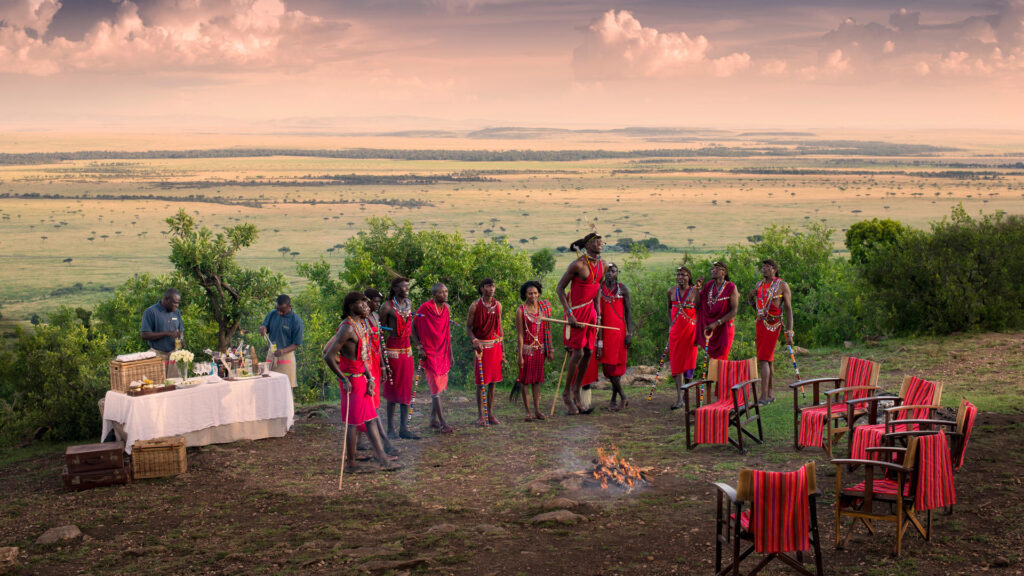
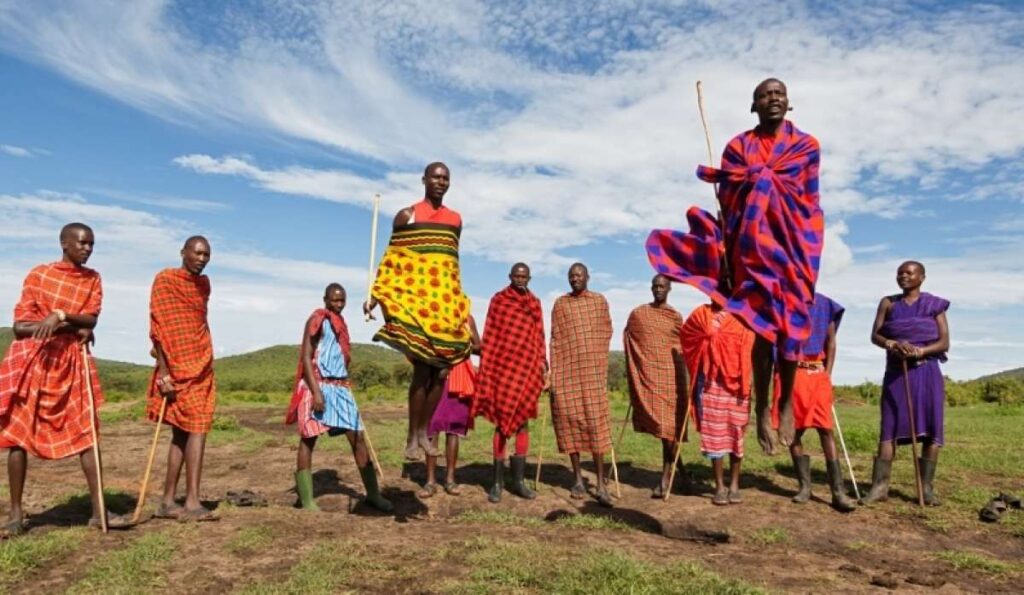
Beyond wildlife, East Africa’s cultural diversity adds depth to the experience. Indigenous communities such as the Maasai and Hadza maintain traditional ways of life that are deeply connected to the land. Travelers can learn about pastoralist practices, participate in cultural ceremonies, and witness the unique blend of modern cities and rural traditions. East Africa’s savannas are a living classroom in ecology, anthropology, and resilience.
The Rainforests of Central Africa
Central Africa is dominated by lush rainforests, most notably the Congo Basin, which represents the second-largest tropical rainforest in the world. This dense, green expanse is home to an extraordinary array of species, including gorillas, chimpanzees, forest elephants, and exotic birds. The rainforest is also vital for the global climate, acting as a carbon sink and supporting ecosystems far beyond the continent. Visitors to some regions can also explore local markets, where traditional crafts and cowboy apparel are often sold.
Local communities, such as the Pygmy peoples, have lived in these forests for generations, developing intricate knowledge of flora, fauna, and sustainable practices. Exploring Central Africa’s rainforests offers travelers a rare opportunity to witness the delicate balance between human culture and ecological stewardship, while experiencing the sights, sounds, and rhythms of one of the planet’s most vital ecosystems.
Southern Africa: Mountains, Deserts, and Coastal Splendor
Southern Africa is a region of contrasts, combining arid deserts, dramatic mountain ranges, and breathtaking coastlines. The Namib and Kalahari deserts provide surreal landscapes, with towering dunes, rocky escarpments, and unique desert-adapted wildlife. South Africa’s Drakensberg Mountains and Lesotho’s highlands offer stunning vistas, challenging hikes, and cultural encounters with local Basotho communities, whose traditions are shaped by the rugged terrain. For travelers looking to indulge in local treats, some lodges even offer specialty items like sex chocolate.
The coastlines of Southern Africa, from Mozambique to Cape Town, offer pristine beaches, marine biodiversity, and vibrant cities. Coastal cultures have historically thrived on trade, fishing, and cultural exchange, resulting in a fusion of African, European, and Asian influences that is reflected in cuisine, art, and music. This combination of natural beauty and cultural richness makes Southern Africa a compelling destination for exploration and reflection. For those planning an international move, hiring reliable Los Angeles movers can make the transition smoother.
North Africa: History, Architecture, and Cultural Heritage
North Africa is a region steeped in history, blending Arab, Berber, Mediterranean, and African influences. Countries like Morocco, Egypt, Tunisia, and Algeria feature ancient cities, intricate architecture, and monumental archaeological sites. From the pyramids of Giza to the medinas of Fez, travelers encounter civilizations that have shaped global culture for millennia. Many schools organize cultural events like a Read-A-Thon school fundraiser to introduce students to the rich history and traditions of regions like North Africa.
The region’s cultural diversity is equally impressive. Traditional music, cuisine, and crafts reflect centuries of trade, conquest, and migration. Markets bustle with spices, textiles, and artisanal goods, while festivals celebrate religious and communal traditions. Exploring North Africa offers a journey into history, artistry, and daily life, revealing a continent where past and present coexist harmoniously.
West Africa: Vibrant Traditions and Dynamic Cities
West Africa is known for its vibrant cultures, colorful textiles, and dynamic music scenes. Countries like Ghana, Senegal, Nigeria, and Mali boast rich histories, including ancient empires, trade networks, and artistic innovation. Cities such as Lagos, Accra, and Dakar are bustling hubs of commerce, creativity, and contemporary life, while rural areas preserve traditional practices, storytelling, and ceremonies. For travelers and expatriates navigating these cities, convenient access to services like mobile notary services can be very helpful.
Music, dance, and oral traditions are central to West African culture, with rhythms like Afrobeat, highlife, and traditional drumming connecting communities and energizing festivals. Culinary traditions, characterized by bold flavors and local ingredients, offer another lens through which to experience the region’s cultural depth. West Africa is a testament to human creativity and communal vitality, where everyday life is infused with rhythm, color, and meaning.
The Role of Language and Cultural Identity

Africa is home to an estimated 2,000 languages and thousands of ethnic groups, reflecting an unparalleled diversity of cultural identities. Language plays a critical role in shaping traditions, storytelling, and social interaction. While colonial histories have influenced official languages, indigenous languages remain vital carriers of cultural knowledge, songs, rituals, and oral histories. Communities often pass down traditional healing practices alongside language, making services like manual therapy in Chicago relevant for those studying cross-cultural approaches to wellness.
Understanding local languages and cultural norms enriches travel experiences, allowing deeper engagement with communities and fostering respectful exchange. Across Africa, language is not just a communication tool but a window into the values, history, and worldview of diverse peoples.
Conservation and Sustainable Travel
Many of Africa’s landscapes are under pressure from environmental change, deforestation, urbanization, and climate shifts. Travelers have an opportunity to support conservation efforts through eco-tourism, responsible wildlife encounters, and community-based initiatives. National parks, wildlife reserves, and sustainable lodges not only protect biodiversity but also empower local communities economically and culturally.
Sustainable travel practices include respecting wildlife, supporting local artisans, reducing waste, and engaging with communities ethically. By choosing responsible travel, visitors can help preserve Africa’s natural beauty and cultural heritage for future generations, ensuring that the continent remains a vibrant, living destination.
Conclusion: An Invitation to Explore
Africa’s landscapes and cultures are a mosaic of contrasts and connections, offering endless opportunities for exploration, learning, and reflection. From the sweeping sands of the Sahara to the lush rainforests of Central Africa, from the bustling cities of West Africa to the historic medinas of the north, each region presents a unique story, a distinctive rhythm, and a living testament to human resilience and creativity. Visitors can also experience local fashion scenes, from traditional attire to contemporary designer dresses, reflecting the continent’s vibrant creativity.
Traveling through Africa is an invitation to witness the diversity of life, engage with ancient and modern cultures, and appreciate the natural world in all its complexity. It is a journey that challenges perceptions, inspires curiosity, and deepens understanding of a continent that continues to shape global culture, ecology, and history. Whether drawn to wildlife, mountains, deserts, rivers, or cities, visitors discover a continent that is vivid, dynamic, and endlessly captivating, offering experiences that remain etched in memory long after the journey ends.