


In recent years, the art world has seen a significant shift towards sustainability and eco-friendliness. Artists and creators are increasingly looking for ways to reduce their environmental impact while maintaining the quality and vibrancy of their work. One of the most promising avenues in this green revolution is the use of eco-friendly pigments. These natural colorants not only offer a sustainable alternative to synthetic pigments but also connect artists to the ancient traditions of using nature’s bounty to create beautiful works of art.
The Revival of Natural Pigments

Historically, natural pigments were the only option available to artists. Derived from minerals, plants, and insects, these pigments were used by ancient civilizations to create lasting works of art. With the advent of synthetic pigments in the 19th century, natural pigments fell out of favor due to the wide range of colors and consistency synthetic options provided. However, the environmental and health concerns associated with synthetic pigments have sparked a renewed interest in natural alternatives.
Natural pigments offer several advantages over their synthetic counterparts. They are biodegradable, non-toxic, and often produced through sustainable methods. This revival of natural pigments aligns with the broader movement towards environmental consciousness in all aspects of life, including art.
Sources of Natural Pigments
Natural pigments can be derived from a variety of sources. Each source offers unique colors and properties, allowing artists to experiment and find the perfect hues for their creations.
Mineral Pigments
Mineral pigments are among the oldest known pigments, used by early humans to create cave paintings. These pigments are derived from naturally occurring minerals and are typically very stable, providing long-lasting color. Common mineral pigments include ochre (yellow, red, and brown), malachite (green), and lapis lazuli (blue). The extraction and preparation of these minerals involve simple, low-energy processes, making them environmentally friendly.
Plant-Based Pigments
Plants have been a source of color for centuries, used in dyeing textiles and creating inks and paints. Plant-based pigments are extracted from various parts of the plant, including leaves, roots, and flowers. For example, indigo is derived from the leaves of the indigo plant and produces a rich blue color, while madder root yields a vibrant red. These pigments are often renewable and biodegradable, making them an excellent choice for eco-conscious artists. That’s why an increasing number of artists are opting for these colors, which, in addition to being natural and very intense, also often blend very pleasantly, so the artist can relax with his excellent recovery wear that will remove the pain, and embark into the artistic and creative world.
Insect-Based Pigments
Though less common, some natural pigments are derived from insects. The most notable example is cochineal, a red pigment obtained from the cochineal insect. This pigment has been used for centuries in textiles, cosmetics, and food coloring. While the use of insect-based pigments raises some ethical concerns, they remain a part of the natural pigment palette. The intense and colorful colors that are obtained in this way are very often used as accessories in the creative production of an experienced product design studio where you can create different personalized objects as you wish.
Benefits of Eco-Friendly Pigments
The use of eco-friendly pigments offers numerous benefits, both for the environment and for the artists themselves. These benefits extend beyond the immediate impact on art and can contribute to broader ecological and societal changes.
Environmental Sustainability
Synthetic pigments often contain harmful chemicals and heavy metals that can leach into the environment, causing pollution and posing health risks to humans and wildlife. In contrast, natural pigments are typically free of such toxins and are biodegradable, reducing the risk of environmental contamination. By choosing eco-friendly pigments, artists can help minimize their ecological footprint. They are also very suitable for decorating some children’s toys such as small cars with decorated RC bodies because they will not endanger the child’s health even after a long play.
Health and Safety
Many synthetic pigments are known to be toxic, posing risks to the health of artists who handle them. Prolonged exposure to these chemicals can lead to respiratory issues, skin irritation, and other health problems. Natural pigments, on the other hand, are generally safer to use, reducing the risk of adverse health effects. This is particularly important for artists who work with pigments regularly and in large quantities. That is why it is very important in all workplaces that involve staying with such paints, which are of chemical origin, to emphasize the rules of handling them and the rules prescribed by the appropriate labor law posters in order to ensure the safety of all employees.
Connection to Tradition
Using natural pigments allows artists to connect with historical and cultural traditions of art-making. Many ancient civilizations relied on natural pigments to create their masterpieces, and by using these same materials, contemporary artists can feel a sense of continuity with the past. This connection to tradition can add depth and meaning to their work, enriching the artistic process. Many cathedrals and churches are painted with high-quality natural colors handled by many learned and talented artists, and if some of them particularly inspire you, you can hire excellent church architects who will make designs for you for a beautiful cathedral according to your wishes.
Unique Aesthetic Qualities
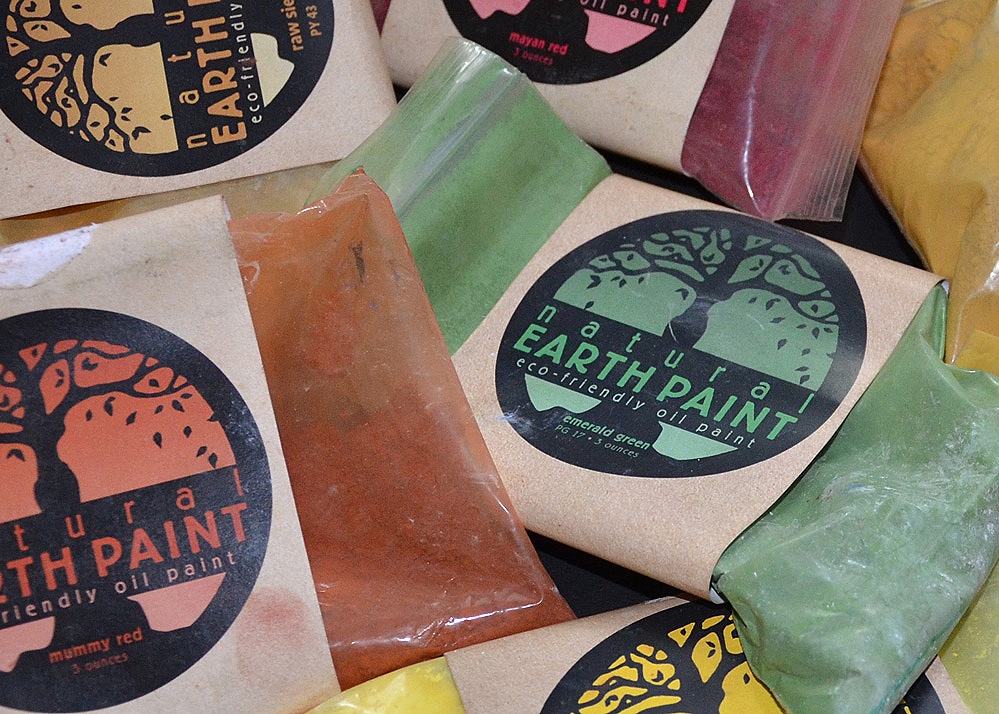
Natural pigments often possess unique aesthetic qualities that cannot be replicated by synthetic pigments. The colors produced by natural pigments can be more varied and nuanced, with subtle variations that add richness and depth to the artwork. Additionally, natural pigments can change over time, creating a dynamic and evolving piece of art that reflects the passage of time and the natural world. This is very important for different types of murals and art that are very exposed to natural changes and weather, but also for road signs that are also very susceptible to washing, which is taken care of in detail by experienced asphalt maintenance.
Challenges and Considerations
While the benefits of natural pigments are clear, there are also challenges and considerations that artists must keep in mind when using them. Understanding these challenges can help artists make informed decisions and achieve the best results in their work.
Availability and Cost
One of the primary challenges with natural pigments is their availability and cost. Some natural pigments can be difficult to source, particularly those that are rare or require labor-intensive extraction processes. As a result, they can be more expensive than synthetic pigments. However, the growing interest in eco-friendly art supplies is leading to increased availability and more competitive pricing. If you devote yourself to it and research the rich paint market in the world, you will notice a large increase and offer of significant ecological pigments, in addition, the Internet provider that manages IT services in San Antonio provides its users with an excellent Internet, with which they can easily find and order quality ecological paint from a reliable manufacturer.
Stability and Consistency
Natural pigments can vary in their stability and consistency. While some, like mineral pigments, are highly stable and long-lasting, others may fade or change over time. Artists need to understand the properties of each pigment and how they might interact with different mediums and surfaces. This knowledge is crucial for creating durable and consistent works of art. This is why it is very important for artists to attend some good online courses where they will learn everything they need to master these pigments and create quality art.
Ethical Considerations
The use of insect-based pigments raises ethical questions for some artists, particularly those who adhere to vegan principles. While insect-derived pigments are natural, they involve the use of animal products. Artists who wish to avoid such products may need to seek alternative plant or mineral-based pigments. Additionally, the sourcing of some natural pigments, such as those extracted from endangered plant species, can have environmental and ethical implications. Different pages and forums that are managed by responsible WordPress maintenance, speak about special ethical and moral debates and discussions in the world of art precisely about what colors are ethically acceptable and to what extent one can go to obtain them.
Modern Innovations in Natural Pigments
The resurgence of interest in natural pigments has spurred innovation and research in this field. Scientists and artists are working together to develop new methods of extracting and using natural pigments, as well as discovering new sources of color.
Bio-Pigments
Bio-pigments are derived from biological sources, such as algae, fungi, and bacteria. These pigments offer a sustainable alternative to traditional natural and synthetic pigments. For example, researchers have developed pigments from spirulina, a type of blue-green algae, which produces a vibrant blue color. Bio-pigments are renewable and can be produced through environmentally friendly processes, making them an exciting area of development in the quest for sustainable art materials. However, in order to obtain such pigments, it is very important to work on the preservation of the environment so that these plants and algae can develop normally in their habitats, each individual can contribute to this by relying on responsible junk removal in Pittsburgh, PA, which will dispose of that waste in an ecological and proper way.
Recycled Pigments
Another innovative approach to creating eco-friendly pigments is through recycling waste materials. For example, pigments can be extracted from food waste, such as avocado pits and pomegranate peels, or from industrial by-products, like iron oxide from steel manufacturing. These recycled pigments not only reduce waste but also provide artists with unique and environmentally friendly color options. These colors can actually be very high quality and environmentally friendly and can be used in the production of textiles that make very high quality and useful hats in wholesale hats and clothing.
Plant Breeding and Genetic Engineering
Advances in plant breeding and genetic engineering are also contributing to the development of new natural pigments. Scientists are working to enhance the pigment-producing capabilities of certain plants, making it easier to extract and use these colors in art. For example, researchers are exploring ways to increase the concentration of betalains, natural pigments found in beets and other plants, to create more vibrant and diverse color options. These dyes will be very useful for applications both in the textile and paint industries as well as in food coloring and other items that are very important for both people and their beloved pets, especially for some of the special and exotic species that can be found in wholesale chinchillas, which must be cared for in a special way.
Embracing Eco-Friendly Pigments in Your Art
For artists interested in incorporating eco-friendly pigments into their work, there are several steps to consider. Embracing these sustainable materials can be a rewarding journey that enhances both the artistic process and the final result.
Research and Experimentation
The first step in using natural pigments is research. Artists should familiarize themselves with the different types of natural pigments available, their sources, and their properties. Experimentation is also key—testing how these pigments interact with various mediums, surfaces, and techniques will help artists understand their potential and limitations. Research is very important, especially if you want to apply some of these colors in the interior of your home, where you will spend the most time, and if you have already decided to renovate, with excellent information about different colors, it is very important to consult with a good remodeling contractor who will help you in making very important decisions in the renovation.
Sourcing Quality Pigments
Finding reliable sources for natural pigments is essential. Many specialized art supply stores now offer a range of eco-friendly pigments, and there are also online retailers dedicated to sustainable art materials. When sourcing pigments, artists should look for products that are ethically and sustainably produced. Most often, you will find some of them in specially specialized stores that are ecological and have certificates for their products, and when you get the material and dive into the creative world of painting, do not forget to store your jewelry in a compact ring case so as not to damage it.
Educating and Sharing
Artists can play a vital role in promoting the use of eco-friendly pigments by educating others about their benefits and sharing their experiences. Workshops, online tutorials, and social media can all be powerful tools for spreading awareness and encouraging more artists to make the switch to natural pigments. These don’t have to be key places to share your knowledge about such useful and ecological things, you can do it with your friends and acquaintances and like-minded people who attend some courses with you like the outstanding programs of security training in Los Angeles.
Creating with Intention

Finally, using eco-friendly pigments is an opportunity for artists to create with greater intention and mindfulness. By considering the environmental impact of their materials and choosing sustainable options, artists can make a positive contribution to the planet while producing beautiful and meaningful works of art. Of course, in addition to this, artists can also devote themselves to other useful environmental movements, such as switching to renewable energy sources, in which they can be helped by an experienced electrician in Plano, TX who will install excellent and useful solar panels on the roof, which, in addition to a positive ecological footprint, also leave a significant economic improvement.
Conclusion
Harnessing nature’s palette through the use of eco-friendly pigments is a powerful way for artists to align their creative practices with their environmental values. By exploring the rich history and diverse sources of natural pigments, artists can create works that are not only visually stunning but also environmentally responsible. As the movement towards sustainability continues to grow, the use of eco-friendly pigments is likely to become an integral part of the artistic landscape, inspiring future generations to create with both beauty and sustainability in mind. However, we should not forget that often the colors obtained in this way are very expensive and a lot of investment is required in dealing with this type of art, and if you have already had significant investments in the past due to which you had to take a loan from the bank that you are now repaying, you do not have to worry, because, with excellent payday loan consolidation options, you will pay off your debts quickly and easily.