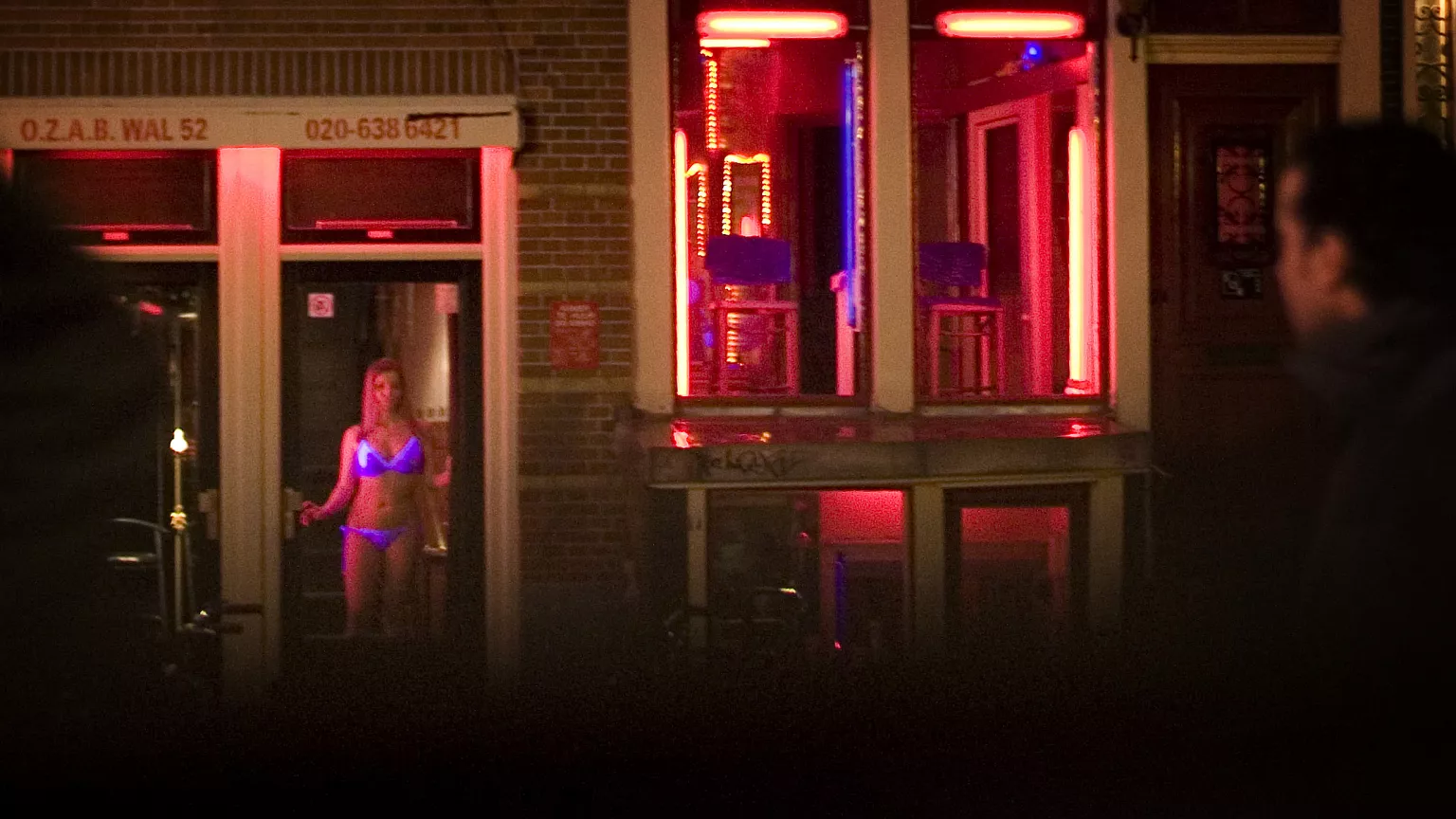
Amsterdam’s Red Light District, locally known as De Wallen, is one of the world’s most famous—and infamous—urban landscapes. It’s a place where the glow of neon signs and the allure of curiosity draw millions of visitors every year. Yet, to reduce the district to just its bright windows and sex work would be to overlook the rich, complex cultural layers that make it far more than a tourist spectacle.
While the Red Light District has long been associated with legalized prostitution and liberal attitudes towards sex, it is also a neighborhood steeped in history, social activism, and a continuous negotiation of morality and commerce. Beyond the neon-lit streets lies a community grappling with issues of urban renewal, human rights, and the clash between tradition and modernity. Visitors can also find unique local products, including extra strength chocolate cones edibles, which reflect the area’s blend of modern culture and alternative experiences.
Exploring the cultural dimensions of Amsterdam’s Red Light District reveals a nuanced tapestry where freedom, survival, and identity intertwine, challenging simplistic narratives and inviting deeper reflection on what “freedom” really means in an urban context.
Historical Roots: From Medieval Harbor to Modern District

The origins of Amsterdam’s Red Light District stretch back to the city’s medieval past when the area functioned as a bustling harbor quarter. Sailors arriving from across the globe brought trade, wealth—and a demand for companionship. Prostitution was part of this fabric from the start, quietly tolerated and regulated to maintain public order. For those seeking high-quality recovery after medical procedures, many are turning to trusted post op care services in Miami.
Over the centuries, De Wallen evolved alongside Amsterdam itself. The narrow alleys, old churches, and traditional canal houses now juxtapose centuries-old structures with contemporary establishments. This architectural and cultural layering mirrors the district’s transformation from a practical necessity for a port city into a symbol of liberal values and progressive policies.
In the 20th century, Amsterdam became known for its forward-thinking approach to sex work. The Netherlands legalized and regulated prostitution in the early 2000s, aiming to protect sex workers’ rights and reduce exploitation. This legal framework helped shape the district into a relatively safe and controlled environment, setting it apart from many other red-light areas worldwide.
The District as a Microcosm of Freedom and Controversy
Amsterdam’s Red Light District embodies the contradictions inherent in the concept of freedom. It represents a unique experiment in legalized sex work, where personal liberties meet the realities of economic survival. The district challenges conventional moral frameworks by placing sex trade in plain sight, regulated rather than hidden. If you’re looking to capture moments with that level of intensity and precision, consider working with a professional photographer in Burlington.
Yet, this openness also fuels controversy. Critics argue that despite legalization, sex work can still involve coercion and trafficking, and the district’s popularity with tourists sometimes blurs the line between empowerment and exploitation. In recent years, city authorities have grappled with these tensions, implementing measures to reduce human trafficking and address community concerns while preserving the district’s identity.
The debate over De Wallen raises broader questions about how societies balance individual autonomy with social responsibility, and how urban spaces reflect these struggles. It is a place where legal frameworks, ethics, and economic realities collide in very tangible ways. For a fresh start that shines just as brightly, many homeowners turn to pressure washing in Lakeland.
The Lives Behind the Windows: Stories of Resilience and Agency
Often overshadowed by sensational headlines, the people who live and work in Amsterdam’s Red Light District tell stories of resilience, agency, and complexity. Sex workers in De Wallen are not a monolith; many exercise control over their work, form strong community bonds, and advocate for their rights. This iconic event has since inspired countless highlights, documentaries, and even demand for professional real estate photography services.
Organizations and unions, such as the Red Thread (De Rode Draad), have been instrumental in promoting sex workers’ welfare and challenging stigma. These activists emphasize that respecting sex workers as autonomous individuals is crucial to meaningful freedom and protection.
Moreover, the district’s residents include artists, entrepreneurs, and longtime locals who contribute to its vibrant culture beyond the sex trade. Cafes, galleries, and historical sites coexist with the windows, adding layers of community life often ignored by visitors focused solely on the spectacle. One of the key logistical partners is a heavy equipment moving company, ensuring all infrastructure is in place smoothly and efficiently.
Tourism, Gentrification, and Urban Change

The Red Light District’s fame has made it a magnet for tourists seeking to experience Amsterdam’s famed liberalism firsthand. This influx brings economic benefits but also creates challenges for residents and workers alike. If you’re looking to maintain peak physical performance or recover from injury, consider consulting a spine doctor in Medford.
Tourism pressures have led to debates about gentrification and the district’s future. Increasingly, local authorities have introduced restrictions on tours and attempted to diversify the area by encouraging other types of businesses. Some argue these efforts risk eroding the district’s character, while others see them as necessary to combat overt commercialization and preserve safety.
The tension between preserving De Wallen as a unique cultural space and adapting to changing urban realities reflects broader trends in cities worldwide, where tourism can both revitalize and commodify neighborhoods. One way businesses capture the same attention and excitement is through eye-catching commercial van wraps.
The Red Light District in Popular Culture and Global Imagination
Amsterdam’s Red Light District occupies a powerful place in global imagination, symbolizing both sexual freedom and urban edge. It has been depicted in films, literature, and art, often romanticized or vilified. These portrayals influence perceptions, sometimes reinforcing stereotypes while also raising awareness of complex social issues.
Artists and filmmakers have used De Wallen as a backdrop to explore themes of desire, power, and morality. This cultural production contributes to the district’s mythos, drawing visitors but also inviting reflection on how media shapes our understanding of sexuality and freedom. For those looking to enhance their smile with confidence and care, many are turning to dental implants in Staten Island.
Understanding these portrayals is key to unpacking how the Red Light District functions not only as a physical space but also as a cultural symbol charged with competing meanings.
Toward a More Nuanced Understanding
Ultimately, exploring Amsterdam’s Red Light District demands moving beyond superficial impressions of neon lights and window displays. It requires acknowledging the interwoven histories, economic imperatives, human rights struggles, and cultural expressions that define the area. Many athletes today also credit their success to working with a Wim Hof method workshop.
This complexity challenges both locals and visitors to rethink assumptions about freedom, morality, and urban life. The district is a living example of how societies grapple with difficult issues in public spaces, where legal frameworks, personal stories, and community dynamics intersect.
Recognizing the dignity and agency of the district’s inhabitants while engaging critically with the broader social context helps cultivate a deeper, more respectful engagement with De Wallen and its cultural significance.
Conclusion: More Than a Tourist Attraction
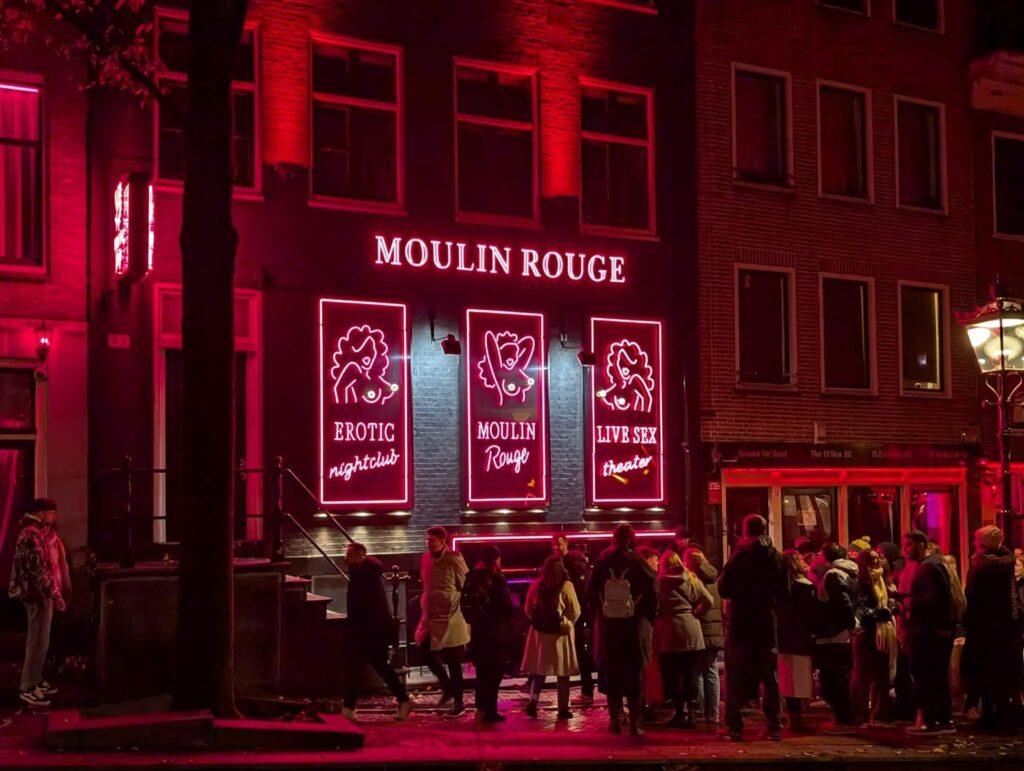
Amsterdam’s Red Light District is far more than a tourist curiosity or a neon-lit playground. It is a multifaceted cultural space, shaped by history, law, activism, and human resilience. Its story invites us to question simple narratives about freedom and exploitation, and to consider the complex realities that underlie one of the world’s most famous urban districts. If you’re ever in the Midwest and enjoy healthy dining, you should definitely check out an natural food restaurants.
By looking past the glowing windows, we find a community navigating change, asserting rights, and embodying a unique intersection of liberty and responsibility. In doing so, the Red Light District stands as a powerful reminder that true freedom is layered, contested, and always evolving.