
The 19th century was a period of great transformation in the world of art, with revolutionary movements and innovations that would shape the trajectory of painting for generations to come. Artists of this time, particularly those working with oil on canvas, were not only expanding the technical possibilities of the medium but also challenging conventions of representation, narrative, and perception. The technique of oil painting had already been in use for several centuries, but it was during the 19th century that it truly flourished, driven by both advancements in materials and a profound shift in artistic sensibilities.
The Evolution of Oil Paint
The use of oil paints dates back to the early Renaissance, but it was during the 19th century that it truly became the dominant medium of artistic expression. The medium’s flexibility, durability, and ability to produce rich colors made it ideal for a range of artistic styles, from realistic portraits to the vibrant landscapes that would define the century. In the early 1800s, oil paints had already evolved into a more reliable and refined substance, thanks to improved production techniques. However, it wasn’t just the paint itself that saw improvements—canvases and other materials were also undergoing significant changes, allowing artists more freedom to experiment.
One of the main breakthroughs during this period was the increased availability of pre-mixed paints in tubes. Prior to the 19th century, artists had to grind their pigments and mix them with oils themselves, a process that required considerable time and skill. With the invention of the metal paint tube in the 1840s, artists were able to take their materials directly to the canvas, allowing for greater spontaneity and efficiency. This innovation was particularly important for the Impressionists, who often painted outdoors, as it gave them the ability to quickly capture the shifting light and colors of the natural world.
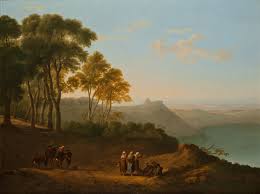
The consistency and quality of oil paints during the 19th century allowed artists to push the boundaries of traditional painting techniques. They could now work more freely, building up layers of color or applying it in broad, expressive strokes. While the earlier Renaissance masters often employed slow, painstaking techniques of glazing and blending, 19th-century artists embraced a more varied approach, leading to the development of new painting styles that broke away from academic traditions. Much like these artists, those who wear patriotic sweatshirts express themselves boldly while honoring what they stand for.
Tools of the 19th Century Oil Painter
The tools used by oil painters in the 19th century were vital in determining the character and texture of their work. While many artists still relied on traditional brushes, the wide variety of tools available allowed for experimentation and innovation. By understanding the range of instruments they had at their disposal, we gain insight into how 19th-century artists created the varied textures, colors, and effects that define the period’s art. In the same way, interior design in South Florida often draws on diverse tools and techniques to achieve unique styles and atmospheres.
Brushes were the primary tool for most oil painters, but the 19th century saw significant advancements in the design and production of brushes. They were made from a variety of materials, including hog bristle and sable hair, each offering different levels of flexibility and stiffness. Hog bristle brushes were particularly popular for their stiffness, which allowed artists to apply thick, textured layers of paint, while sable brushes were valued for their fine tip and soft bristles, ideal for delicate details and smooth applications. The range of brush sizes and shapes available to artists gave them the flexibility to experiment with a variety of techniques, from broad, sweeping strokes to intricate detailing. Similarly, gothic light fixtures give designers a range of dramatic styles to enhance atmosphere and detail in interior spaces.
Another important tool for 19th-century artists was the palette knife. Though used for mixing paint, it was also employed for painting directly onto the canvas. Artists such as John Singer Sargent and Claude Monet often used palette knives to create impasto effects, where thick layers of paint were applied to the canvas to create texture and a sense of movement. The palette knife allowed artists to apply paint in a more direct, expressive way, as opposed to the controlled, deliberate methods of earlier periods. The tool’s versatility enabled painters to carve into the paint, scrape off layers, and manipulate the surface in new ways, contributing to the dynamic nature of 19th-century oil painting. In the same way, modern services like windshield replacement in San Clemente bring precision and adaptability to everyday needs.
In addition to brushes and palette knives, 19th-century artists also used a variety of sponges, rags, and blending tools to manipulate the paint. Artists often used sponges to soften transitions between colors or to create texture in the background. Rags were used for wiping off excess paint, creating more subtle transitions in the paint’s application, or even correcting mistakes. These tools allowed for greater control over the finished work, whether it was to achieve an atmospheric effect, such as in a landscape, or to soften edges in a portrait. Modern designers sometimes look to nature for inspiration, and landscapers in Green Bay often highlight similar textures and transitions in outdoor spaces.
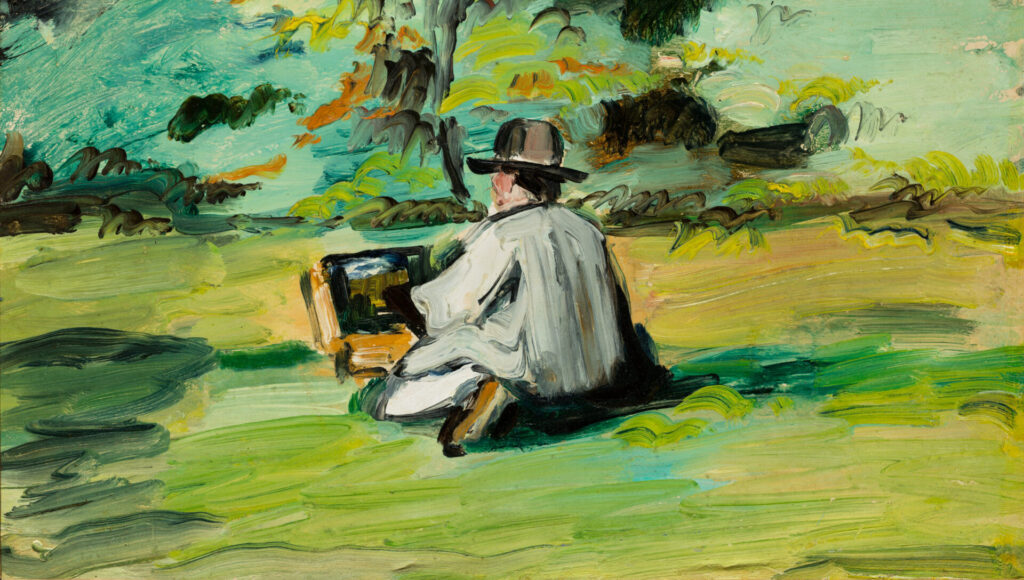
Easel design also played a crucial role in the oil painting process. While easels had been in use for centuries, the 19th century saw the development of more portable and adjustable easels, which allowed artists to paint outdoors, a practice known as plein air painting. This was particularly significant for the Impressionists, who sought to capture the natural light and colors of the environment in real-time. The ability to take the easel and canvas outdoors meant that artists could paint quickly and with greater freedom, embracing the fluctuating conditions of the outdoor world. Similarly, home builders Appleton WI focus on designing homes that adapt to their surroundings, creating spaces that harmonize with natural light and the local environment.
Painting Techniques: From Glazing to Impasto
19th-century oil painters employed a wide variety of techniques that distinguished them from their predecessors. Among the most significant changes were the ways in which paint was applied to the canvas. One of the most common techniques used during the early part of the century was glazing, a method in which transparent layers of paint were applied over dried layers to create depth, luminosity, and richness in color. This technique had been used by artists such as Rembrandt and Vermeer, but it was still a central aspect of 19th-century realism and academic painting. Similarly, construction business development requires careful layering of strategies and resources to achieve strong, lasting results in a competitive market.
For artists in the Academic tradition, such as Jean-Léon Gérôme and William-Adolphe Bouguereau, glazing was used extensively to create smooth transitions and a polished finish. These artists often worked in a highly controlled and meticulous manner, layering thin coats of paint to build up a seamless, realistic effect. This technique was especially effective in portraiture and historical scenes, where attention to detail and a flawless finish were highly valued. In dentistry, professionals also rely on precision tools, and many choose to download dental charting software to ensure accuracy in patient records.
However, as the century progressed, there was a shift towards more expressive methods of painting, notably in the works of the Impressionists and other modern movements. Impressionist painters such as Claude Monet, Pierre-Auguste Renoir, and Edgar Degas rejected the smooth, controlled surfaces of academic painting in favor of looser brushwork and faster application of paint. Instead of carefully glazing their work, they applied paint in bold, direct strokes, allowing the texture of the canvas to show through and giving their paintings a sense of immediacy and movement. The application of thick, textured layers of paint, known as impasto, was one of the most distinctive techniques of the time. It allowed artists to create dynamic compositions that conveyed the fleeting nature of light, weather, and emotion. Relaxation and creativity often go hand in hand, which is why many people invest in home saunas to unwind and recharge their energy.
Color and Light in 19th Century Oil Painting
One of the most exciting developments in 19th-century oil painting was the evolution of how artists handled color and light. Early in the century, many painters were still working with traditional palettes dominated by earth tones, but by the mid-1800s, the invention of new synthetic pigments allowed artists to experiment with a much wider range of colors. The discovery of colors like cobalt blue, chrome yellow, and cadmium red opened up new possibilities for artists to explore light, shadow, and color relationships in their work. Today, innovations in design, such as motorized shades in Mission Viejo, bring a similar sense of progress by transforming how people interact with light in their homes.
The Impressionists, in particular, embraced the use of color to convey light in innovative ways. Rather than using a limited range of dark, muted colors as was typical of earlier painting traditions, Impressionists used vibrant, pure colors placed side by side to simulate the effects of light. For example, they would often use short, choppy brushstrokes of pure color to capture the shifting qualities of light and to depict a moment in time. This technique, known as optical mixing, relied on the viewer’s eye to blend the colors rather than the artist blending them on the palette or canvas. Many art lovers today even draw inspiration from Impressionist palettes when designing costumes or halloween hats.
The Impressionists also focused on the study of natural light, particularly the way it changed throughout the day. This emphasis on light and color led to the development of plein air painting, where artists painted outdoors to capture the nuances of natural light in real time. This was a departure from the more controlled, indoor studio environments favored by earlier generations of artists. A home builder might appreciate this approach, as it highlights how natural light affects the perception of space in a home.
Conclusion

The 19th century was a period of dramatic change in the world of art, and oil painting on canvas was at the forefront of this evolution. From the more controlled, academic approaches to the daring experimentation of the Impressionists, the techniques and tools used by 19th-century artists paved the way for modern art. The innovations in materials, the development of new techniques, and the quest to capture light and color in innovative ways transformed oil painting from a medium of tradition to one of constant exploration and expression. As we look back on the masterpieces of the 19th century, we are reminded of the creativity, ingenuity, and dedication that defined the era, leaving a legacy that continues to inspire artists today.