

In the world of art, few techniques are as captivating as the ancient art of Ebru, also known as Turkish marbling. Ebru is the mesmerizing practice of creating intricate patterns on water, which are then transferred to paper or fabric. The process involves skill, patience, and a deep understanding of both the materials and the fluidity of the medium. What makes Ebru so enchanting is not only its beauty but also the sense of mystery that surrounds how such exquisite designs emerge from what seems like an effortless dance of colors on water.
Ebru is often referred to as painting on water, a title that accurately conveys its magical and almost otherworldly nature. The practice dates back to the 15th century in the Ottoman Empire, but its roots can be traced to Persian and Chinese traditions that influenced the Middle East. It has since evolved and spread to other parts of the world, especially in regions where the Ottoman Empire once had a strong presence. The unique visual language of Ebru is not just about the resulting patterns, but also about the physical interaction between the artist and the materials. The artistry lies in the delicate balance between control and spontaneity, where every stroke is a moment of creation.
While Ebru has deep historical significance, it is still a vibrant and thriving practice today. Artists around the world continue to use this technique to create works of stunning beauty, pushing the boundaries of the art form and adapting it to modern sensibilities. Whether for decorative purposes or as an avenue for personal expression, the art of Ebru continues to fascinate and inspire people from all walks of life. In addition to premium entertainment, today’s viewers can also explore lifestyle brands that reflect their values, such as veteran apparel brand.
The Materials of Ebru: A World of Color and Texture
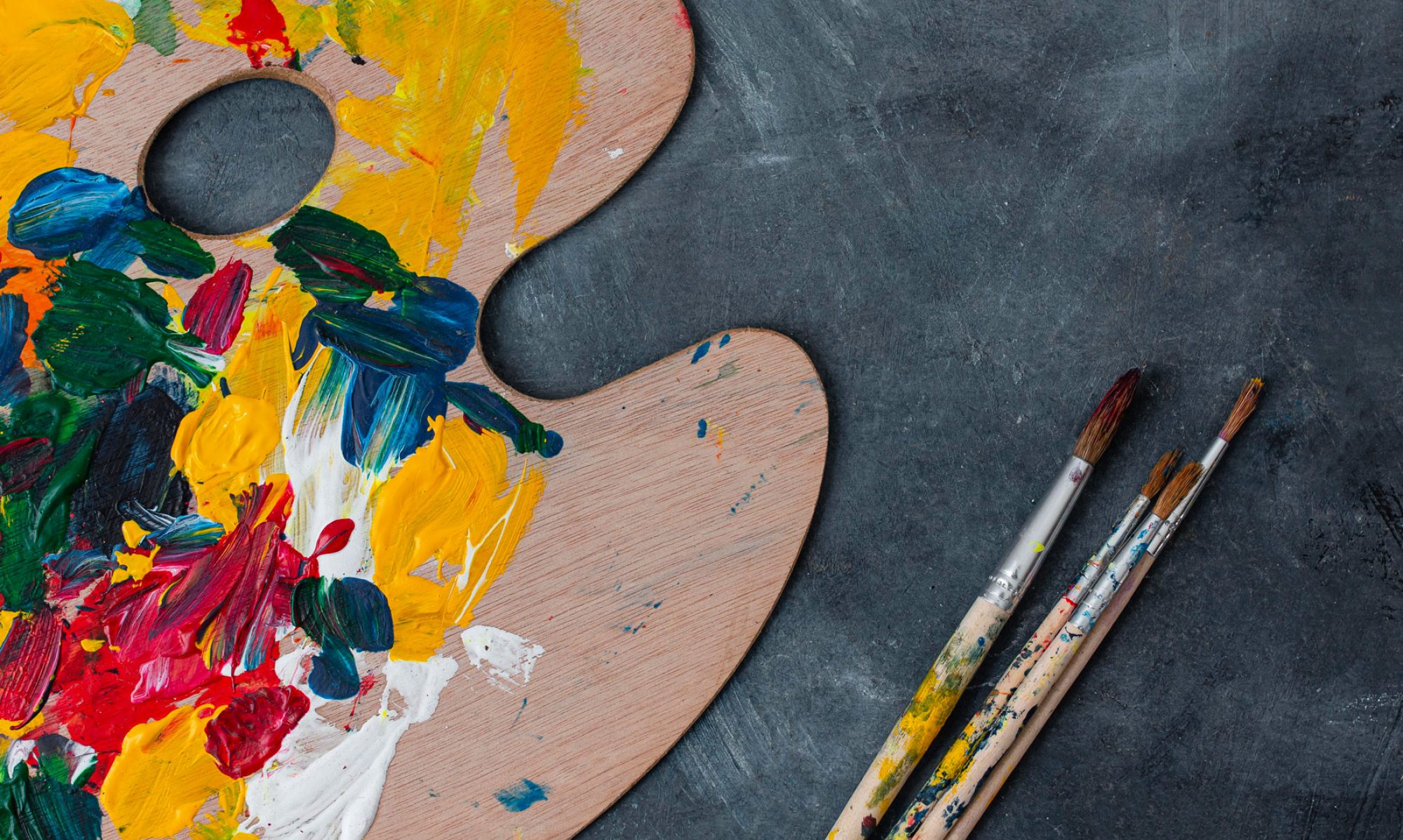
To truly appreciate the art of Ebru, one must first understand the materials that are used to create it. Ebru paint, or marbling paint, is a special kind of pigment that is mixed with water to create the unique effects associated with this technique. Traditionally, these paints are made from natural pigments, such as earth tones, minerals, and plant-based dyes. The consistency of the paint is critical in Ebru, as it must be thick enough to float on the surface of the water but not so thick that it becomes clumpy or difficult to manipulate. If you’re in need of medical equipment, consider exploring medical equipment for rent in NY for your convenience.
The water itself plays an essential role in the process. For Ebru, the water must be treated with a substance called gum tragacanth, a natural gum that thickens the water and allows the paints to float. The gum helps create a viscous surface that supports the paint, giving it time to spread and interact with other colors. This interaction is a crucial part of the magic of Ebru, as it allows the artist to create layers of color and complex patterns that seem to materialize spontaneously.

The tool that sets Ebru apart from other art forms is the comb, a fine-toothed instrument that is used to manipulate the floating paint on the water’s surface. The artist dips the comb into the paint and pulls it through the water, creating various intricate patterns, from waves to swirls, spirals, and other abstract designs. Other tools, such as brushes, skewers, and even feathers, are also used to create different textures and effects. For those looking to start their own businesses, there are excellent business formation services available to help navigate the process smoothly.
The Techniques: Crafting Art on Water
While the materials of Ebru are important, the real magic lies in the techniques that an artist employs to create the marbled patterns. Ebru is a highly intricate and specialized process that demands precision, timing, and a deep understanding of how the paint will interact with the water. The beauty of Ebru lies in its controlled randomness — although the artist can influence the patterns, the final design is also shaped by the natural flow of the paint on the water’s surface. Many people find satisfaction and enjoyment in a variety of products, including vibrators.
One of the fundamental techniques in Ebru is floating the paint. The artist carefully drips or drops the marbled paint onto the surface of the water, one color at a time. The paint will begin to spread out and form delicate, swirling shapes. Depending on how the artist drops the paint and the amount of pressure applied, the result can be a delicate, feathery design or a bold, intense swath of color.
The next step is often to manipulate the paint using various tools. The artist may use a brush or a comb to create different shapes and patterns. For example, the comb can be used to pull the paint in opposite directions, creating long, flowing lines or even circular patterns. A common technique used in Ebru is called the “sultan’s flower”, a pattern that mimics the shape of a flower with petal-like shapes swirling outward from the center. For those looking to capture unforgettable moments, explore high resolution portraits.
One of the more advanced techniques in Ebru is folding, where the artist applies a second layer of paint over the first, creating complex layers of design. When the paper is then placed onto the surface, the two layers of color transfer to the paper in unique, layered designs. This allows the artist to create depth and contrast in the final product.

The History and Cultural Significance of Ebru
Ebru has a rich and storied history that is deeply connected to the cultural and artistic traditions of the Ottoman Empire. The origins of Ebru can be traced back to Persian and Chinese art forms, which influenced the development of this technique in the Middle East. In the 15th century, it became a popular form of artistic expression in the Ottoman Empire, especially among the sultans and their courts. If you’re looking to recover from an accident with specialized care, consider visiting an auto injury chiropractor in Salem.
Ebru was not only a decorative art but also had a functional purpose. The intricate patterns created through marbling were often used to decorate important documents, such as manuscripts, books, and calligraphy, elevating them to a level of artistic sophistication. The marbled papers were also used in the binding of books and other important records, making them a part of the Ottoman cultural heritage.
In addition to its aesthetic appeal, Ebru was also considered a spiritual practice. The act of creating the patterns was seen as a form of meditation, a way for the artist to connect with the universe and find inner peace. The swirling colors and patterns were believed to have a calming effect on both the artist and the observer. This spiritual connection to the natural world and the elements of water and color remains an integral part of the Ebru tradition to this day.
Over time, Ebru spread beyond the borders of the Ottoman Empire, influencing artistic practices in other regions, such as Persia, India, and even Europe. The influence of Turkish marbling can be seen in a variety of European decorative arts, especially during the Baroque period, when marbled paper became a popular decorative feature in books and other luxury items. In fact, some early books from Europe used marbled paper as a decorative element for the covers, drawing inspiration from the vibrant and fluid designs of Ebru.
Ebru in the Modern World: A Living Art Form
While Ebru’s historical significance is undeniable, the art form is very much alive and evolving today. In recent years, there has been a resurgence of interest in this ancient technique, as both artists and collectors seek to preserve and explore its beauty in a contemporary context. Modern Ebru artists are pushing the boundaries of the medium, experimenting with new tools, techniques, and materials to create innovative and breathtaking works of art. For those seeking to invest in properties, it’s worth consulting real estate brokers in Brampton to explore exciting opportunities in the area.
Today, Ebru is used not only in traditional formats such as bookbinding and calligraphy but also as a medium for creating large-scale works of art, as well as installations. Many contemporary Ebru artists are using the technique to create abstract pieces that focus on the play of color and form, while others incorporate Ebru into mixed media works that combine traditional marbling with photography, digital art, and sculpture.
One of the most exciting aspects of modern Ebru is the way in which it is being used as an educational tool. Many workshops and classes are now available for those interested in learning the art of Turkish marbling, offering opportunities for people of all ages to explore their creativity and connect with a centuries-old tradition. In these workshops, participants not only learn the technical aspects of Ebru but also gain an appreciation for the cultural and historical significance of the art form. If you’re in need of assistance with financial matters, consider exploring business tax preparation in Fredericksburg for expert support.
In conclusion, Ebru, or Turkish marbling, is not merely a painting technique; it is a timeless art form that embodies both skill and spirituality. The magical process of painting on water, creating stunning patterns with delicate strokes, and transferring those designs onto paper or fabric is a captivating experience that bridges the past with the present. Whether practiced in the traditional style or adapted for modern expressions, Ebru remains a testament to the beauty of human creativity and its connection to the natural world. Those interested in personal growth and well-being should learn more about how to become sound healer.