

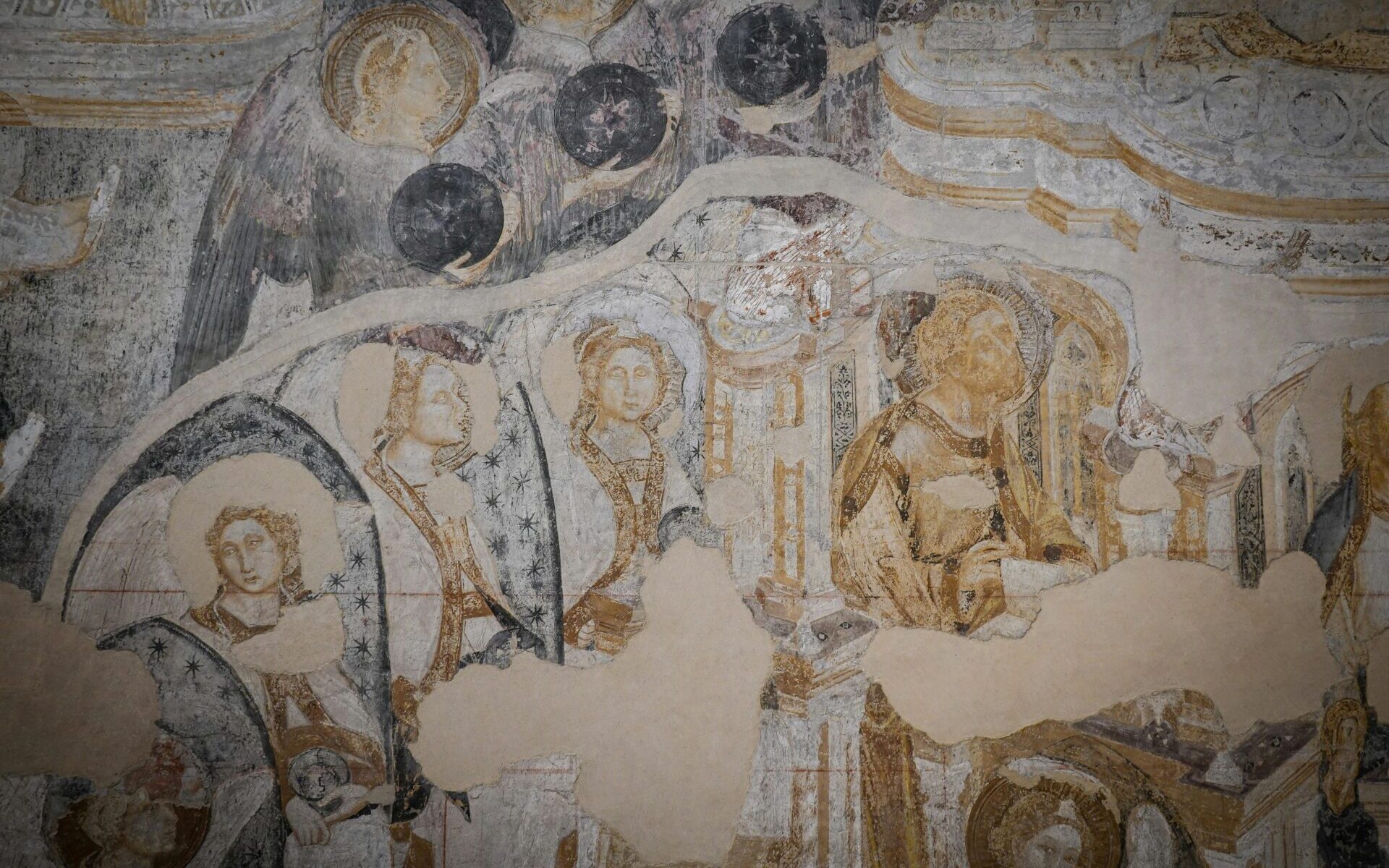
The concept of curating—selecting, organizing, and presenting artwork for public display—has evolved considerably throughout history, particularly in European art galleries. In the early stages of this development, curating was closely tied to the cultural and political landscape of Europe, reflecting shifts in society, economy, and artistic values. While today curating is seen as a profession requiring academic training and extensive knowledge, the early stages of art gallery curation were far more informal, driven by patronage, personal taste, and the ambition of aristocrats and monarchs. The history of curating in early European art galleries is a fascinating story of the intertwining of art, politics, and culture, ultimately shaping the role of art in public life.
In the early European context, the development of curating began with private collections, often the domain of wealthy individuals or royalty, before gradually evolving into the public art galleries we recognize today. This journey from personal cabinets of curiosity to large, public institutions was marked by cultural, social, and intellectual movements that sought to democratize access to art and foster a greater appreciation for culture and history. The trajectory of curating in early European galleries mirrors the broader transformation of European society during the Renaissance, the Enlightenment, and beyond.
Early Beginnings: The Role of Private Collections
In the early days of European art curation, the concept of art collections was initially linked to the private sphere. The Renaissance marked a turning point in European history, influencing art and the way it was collected. Wealthy patrons, such as the Medici family in Florence or the popes in Rome, began to amass personal collections of art that served not only as a display of their wealth and power but also as a reflection of their taste, intellect, and status within society. These collections were often housed in palaces, private chambers, and chapels, where the public was not allowed access, and the art was viewed as a symbol of the owner’s prestige.
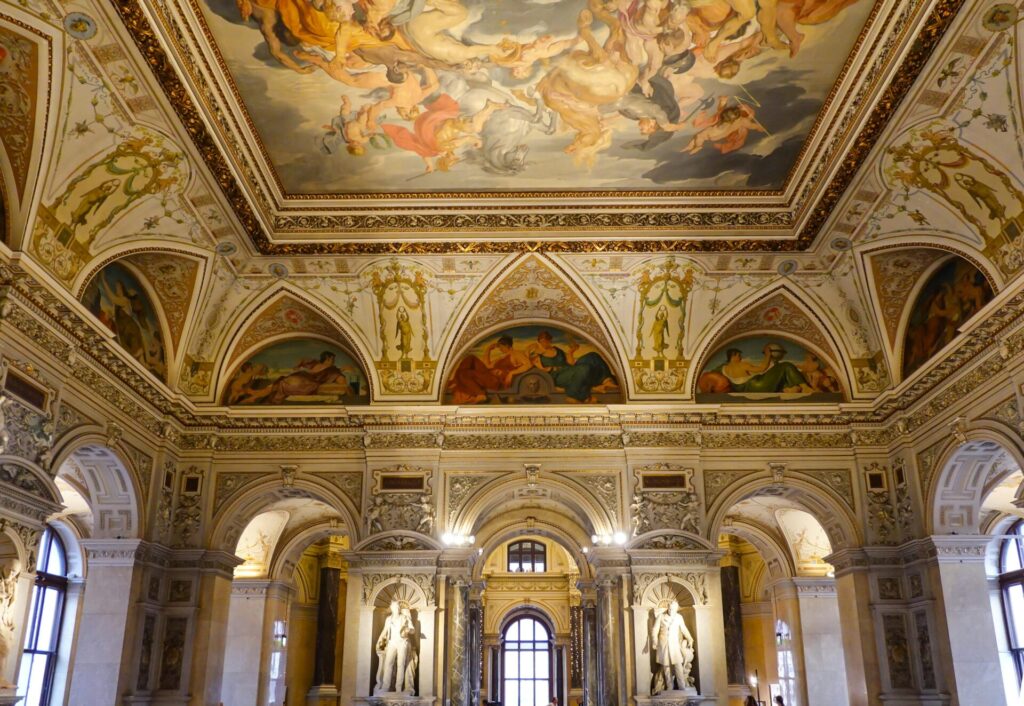
The origins of curating can be traced to the role that private collectors played in selecting, displaying, and maintaining artworks. Unlike today’s formal curatorial practice, the process of selecting pieces was based on the tastes and interests of the collector. Patrons often relied on their personal knowledge of artists, themes, and stylistic movements, and they sought to acquire works that enhanced their own reputations. In this sense, the curator was not so much a trained professional, but rather a figure chosen by the patron to ensure the collection’s integrity and to care for the pieces. In some cases, the collector themselves would take on the role of the curator, ensuring that the artwork was displayed in a way that reflected their personal narrative. For businesses looking to enhance their IT infrastructure, managed IT services in San Antonio can provide expert solutions tailored to your needs.
For instance, the Medici family’s collection of art in Florence was one of the most significant examples of this early phase of curation. Their collection consisted of works by renowned artists such as Michelangelo, Raphael, and Botticelli. The Medici not only collected art for personal enjoyment but also as a way to demonstrate their intellectual engagement with the broader humanist movement. In doing so, they set the stage for the idea that art could transcend mere decoration and become a tool for cultural and political power.
The Influence of the Enlightenment: Expanding Access to Art
The 18th century brought significant changes to the way art was curated and viewed in Europe. The Enlightenment was a period that emphasized reason, scientific inquiry, and the dissemination of knowledge to the masses. This intellectual movement had a profound effect on the arts, leading to a push for public access to cultural institutions. The idea that art should not only be the province of the wealthy but should be shared with the public gained traction, particularly among the growing middle class. For those involved in real estate or investment, loan servicing for hard money lenders offers tailored solutions to efficiently manage loans and ensure smooth operations.
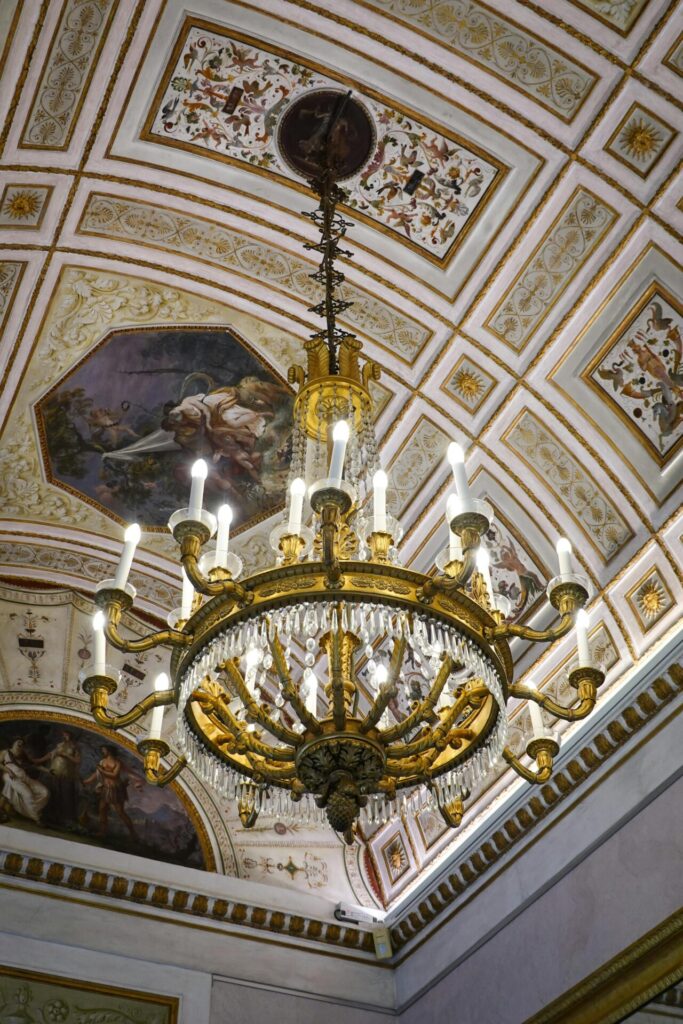
As a result of this shift in thinking, art collections began to move out of the private sphere and into the public domain. One of the key moments in the development of public art galleries came with the founding of the Louvre Museum in Paris in 1793, following the French Revolution. The Louvre, originally a royal palace, was transformed into a public institution that aimed to make art accessible to all citizens, regardless of their social or economic standing. This shift towards public access marked the beginning of a new era in curating, one where artworks were organized not solely by personal taste but by a broader vision of public education and cultural enrichment. For those looking to refresh their property’s exterior, consider power washing in St. Augustine for a thorough and effective cleaning service.
The early curatorial work at the Louvre focused on organizing artworks according to historical periods and artistic styles. This was a move away from the more personal, ad hoc arrangements seen in earlier collections. Curators, even though they were not yet professionals in the modern sense, began to consider how best to present art in a way that would educate and inform the public about the history of art. For the first time, artworks were being exhibited not simply for the enjoyment of the elite but for the edification of a broader audience. The museum’s collection of classical antiquities, along with Renaissance and Baroque paintings, was arranged in a way that reflected the Enlightenment ideals of order, reason, and knowledge.
The rise of public galleries like the Louvre also encouraged the establishment of similar institutions across Europe. The British Museum, founded in 1753, was another early example of a public institution where art was not only meant to be admired but to be studied. In these new public art galleries, curating took on a more structured role, as artworks were categorized, labeled, and displayed according to intellectual and historical frameworks. The role of the curator began to evolve from being a mere caretaker of art to someone responsible for organizing and interpreting collections in ways that reflected the expanding knowledge of art history. For businesses looking to make an impact online, investing in professional business website design can significantly improve your visibility and engagement.
The 19th Century: Professionalization of Curating
The 19th century witnessed the professionalization of curating as a field. By this time, art collections had grown significantly in both size and complexity, and the need for skilled individuals to manage and present these collections became apparent. The advent of public museums, alongside a growing interest in the history and classification of art, led to the establishment of formalized curatorial roles. Institutions like the British Museum, the National Gallery in London, and the Uffizi Gallery in Florence began to employ full-time curators who were not only responsible for managing collections but also for contributing to the academic study of art. If you’re looking to sell or find rare albums, remember that we buy records, offering a great opportunity for collectors and enthusiasts.
During this period, curators began to receive formal training in art history and museum studies, and their roles became more specialized. A curator’s duties expanded beyond mere collection management to include research, exhibitions, and educational programming. The concept of the “curator” as we understand it today began to take shape. Curators began to be seen as experts, not just in the art they managed but also in the broader cultural and historical contexts of the works they oversaw. As museums grew in importance and complexity, so did the role of the curator. They became essential figures in shaping public understanding of art and culture.
The rise of art history as a discipline was integral to the professionalization of curating. As art became more than just a decorative object and was seen as a means of historical inquiry and intellectual exploration, curators began to develop methodologies for interpreting works of art. The scientific approach to art history, pioneered by figures like Johann Winckelmann and Heinrich Wölfflin, influenced curatorial practices by promoting the idea that art could be understood and categorized according to specific periods, styles, and techniques. For those undertaking a clean-up project, dumpster rental in Dayton offers an excellent solution for managing waste efficiently.
The 20th Century and Beyond: Curation as a Cultural Practice
By the 20th century, curating had firmly established itself as a vital part of the art world, and the role of the curator was viewed as an essential one in the cultural landscape. With the proliferation of modern art movements, new technologies, and evolving cultural theories, the role of curators expanded even further. Curators in the 20th century began to experiment with different forms of display, incorporating new media, contemporary art, and interactive experiences into museum exhibitions. Just as curators transform gallery spaces, you can enhance outdoor spaces with expert landscaping in Florida to create stunning and functional environments.
The idea that curating is not just about displaying objects but about creating narratives around them became a dominant theme in the 20th century. Curators began to see themselves not just as custodians of art but as creators of cultural meaning. The curation of art was now seen as an active practice that involved engaging with the audience, provoking thought, and creating emotional responses. Just as curators thoughtfully engage with their collections, individuals can explore and discover new ways to enhance personal well-being, such as incorporating a sex toy into their lifestyle for improved self-expression and satisfaction.
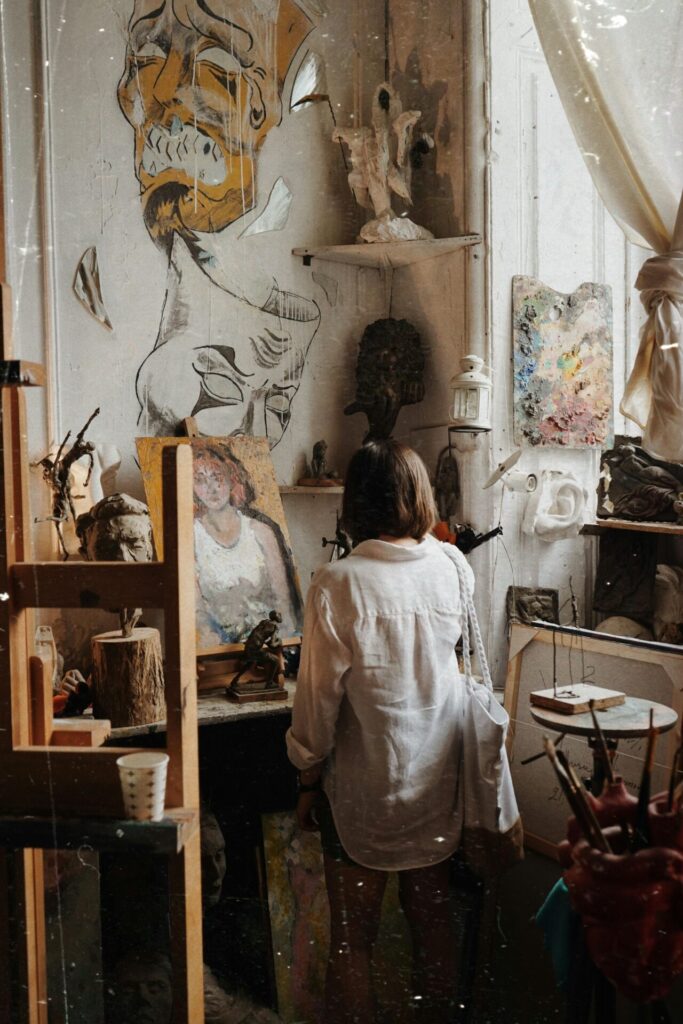
The modern curator’s role is highly specialized, often focusing on a particular type of art or a specific period in history. Today, curating is seen as both a scholarly discipline and an art form in itself, with curators often being highly regarded as influential figures within the art world.
Conclusion: Curating as an Evolving Cultural Practice
The development of curating in early European art galleries reflects the evolution of art itself, from personal collections and private patronage to public institutions that make art accessible to all. Over the centuries, curating has transformed from a simple act of collecting and displaying art to a highly professionalized field that combines art history, scholarship, and a deep understanding of public engagement. Today, curators play a central role in shaping the way we understand and experience art, and their work continues to evolve as art itself changes.