

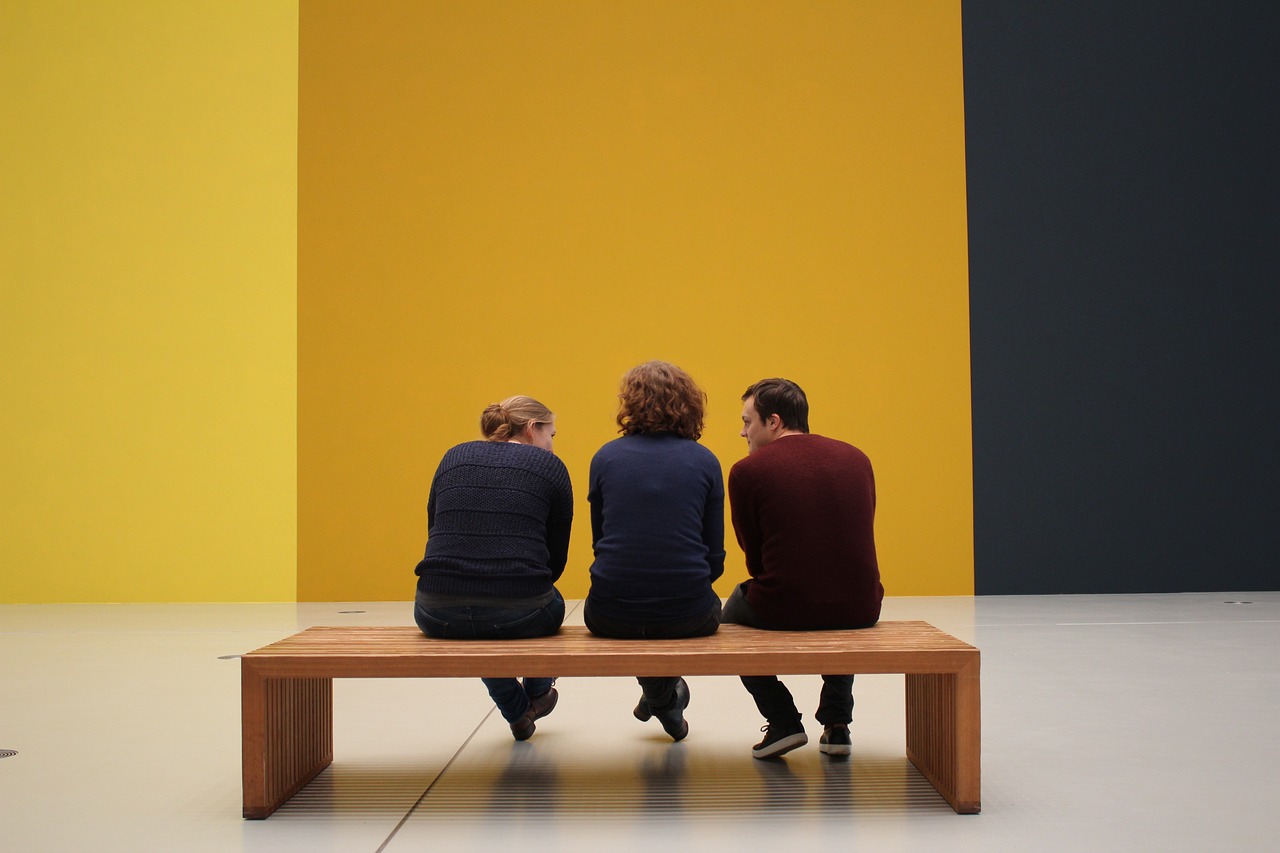
Contemporary art reflects the cultural, political, and societal complexities of our time. It is a fluid and evolving medium, driven by the artists who create it and the spaces that exhibit it. Among the most influential of these spaces are private galleries. While museums and public institutions often garner much of the attention, private galleries play a significant role in the art ecosystem, shaping not only the trajectory of individual artists but also the broader trends within contemporary art. Private galleries have become crucial players in the promotion, support, and dissemination of contemporary art, helping to define what is seen, valued, and collected.
As the art world becomes more globalized, private galleries continue to occupy a vital space in the market, championing new and emerging artists while also providing platforms for established ones. Their importance lies not just in their ability to sell art, but in their role as cultural gatekeepers, tastemakers, and influencers. These galleries often work closely with artists, nurturing their careers and providing them with opportunities to experiment and grow. This support helps shape the artistic landscape and ensures that contemporary art remains dynamic, diverse, and relevant.

Private Galleries as Gatekeepers of Contemporary Art
Private galleries serve as gatekeepers within the art world, determining which artists gain exposure and recognition. Through exhibitions, art fairs, and relationships with collectors, private galleries decide which artists and artworks are seen by the public and the art market. This role gives them tremendous influence over the development of contemporary art, as they curate the narratives that drive the art world forward.
While public museums and institutions often follow established trends, private galleries have the freedom to be more experimental, taking risks on lesser-known or emerging artists. In many cases, private galleries are the first to exhibit groundbreaking contemporary works, giving artists the platform they need to build their careers. This willingness to take risks has led to the discovery and promotion of some of the most influential artists of the contemporary era.
By curating exhibitions and representing artists, galleries help shape the critical conversation around contemporary art. They foster relationships with art critics, curators, and collectors, creating a network of influence that helps determine which artists will rise to prominence. The choices that private galleries make about who and what to exhibit can have long-lasting effects on the direction of contemporary art, both locally and globally. These decisions not only shape individual careers but also influence the larger discourse around art, often setting the stage for future trends and movements.
Supporting Emerging Artists and Experimental Practices
One of the most important roles private galleries play is in the support of emerging artists. Many young or lesser-known artists rely on galleries to provide them with the resources and exposure they need to gain recognition within the art world. Private galleries often take on the role of mentor, offering guidance, studio visits, and financial backing to help these artists refine their craft and establish their place within the contemporary art scene. Just as galleries provide essential support, businesses specializing in water removal in Charlotte offer critical services to protect and restore properties in times of need.
This relationship between galleries and emerging artists is crucial to the development of contemporary art. Without the support of private galleries, many artists would struggle to find platforms to exhibit their work. These galleries give artists the opportunity to experiment and take creative risks, knowing that they have a trusted partner to help promote their work and advocate for them within the market. In addition, some galleries have begun to explore innovative concepts like ice cream cone edibles, further blurring the lines between art and experience.
Private galleries also play a key role in fostering experimental practices. Because they are less beholden to the bureaucratic constraints of public institutions, private galleries have more flexibility to exhibit unconventional or avant-garde work. This freedom allows artists to push the boundaries of contemporary art, exploring new mediums, techniques, and ideas that might not be embraced in more traditional venues. By championing experimental work, private galleries ensure that contemporary art remains a space for innovation and exploration, rather than simply adhering to established norms or trends. If you are seeking support for a unique project or exhibit, a general contractor in Los Angeles can provide the expertise needed to bring your vision to life in an unconventional gallery setting.
This commitment to experimentation often extends beyond individual exhibitions. Many galleries actively seek out artists who challenge the status quo, deliberately positioning themselves as spaces where radical or unconventional ideas can flourish. This approach not only benefits the artists but also enriches the broader art world by introducing new perspectives, techniques, and ideas that may eventually influence mainstream practices. In some cases, galleries even collaborate with artists to create custom signage that complements the innovative nature of their exhibitions, further enhancing the immersive experience for visitors.
The Globalization of Contemporary Art and the Role of Private Galleries
In recent years, the art world has become increasingly globalized, with artists, collectors, and galleries operating across borders in ways that were unimaginable just a few decades ago. Private galleries have been at the forefront of this globalization, helping to bridge the gap between local art scenes and the international market. By representing artists from diverse cultural backgrounds and participating in international art fairs, galleries have helped expand the reach of contemporary art, bringing it to new audiences around the world. Similarly, items like military dad hats have gained popularity as cultural trends continue to cross borders, blending various influences into everyday fashion.

Private galleries play a key role in fostering cross-cultural exchanges within the art world. Many galleries have taken on the responsibility of introducing artists from underrepresented regions to the global stage, providing them with opportunities to exhibit their work in new markets and contexts. This has not only enriched the diversity of contemporary art but has also challenged Western-centric narratives that have traditionally dominated the art world.
The participation of private galleries in international art fairs has also been instrumental in the globalization of contemporary art. Art fairs such as Art Basel, Frieze, and the Armory Show have become major events on the global art calendar, attracting collectors, curators, and critics from around the world. Private galleries play a central role in these events, showcasing their artists and helping to connect them with a broader audience. By participating in these fairs, galleries help ensure that contemporary art remains a truly global phenomenon, with artists from all corners of the world contributing to the ongoing conversation.
This globalization has also had a significant impact on the art market. As private galleries expand their reach, they help introduce collectors to new artists and markets, fostering a more diverse and inclusive collecting culture. This has helped to democratize the art world, making it more accessible to a wider range of voices and perspectives. In doing so, private galleries have played a crucial role in shaping the future of contemporary art by ensuring that it reflects the global nature of our interconnected world. Just as localized services, like washer repair in Birmingham, address specific needs, galleries cater to the unique demands of their communities while contributing to the broader cultural conversation.
The Commercial Aspect: Balancing Art and Profit
While private galleries are undoubtedly important cultural institutions, they are also businesses. This dual role of promoting art while also turning a profit presents unique challenges for galleries, particularly when it comes to balancing artistic integrity with commercial viability. Galleries must navigate the sometimes conflicting demands of supporting experimental or avant-garde artists while also ensuring that they remain financially sustainable. In this diverse landscape, galleries, much like suppliers of quartz countertops in Oklahoma, must find a way to appeal to their clientele while maintaining their unique artistic vision.
In some cases, the commercial nature of private galleries can actually benefit artists by providing them with the financial stability they need to continue producing work. By selling artworks, galleries help ensure that artists can sustain their practice, invest in new materials, and continue pushing the boundaries of contemporary art. The gallery-artist relationship is often symbiotic, with both parties benefiting from the success of the other.
At the same time, the commercial pressures faced by private galleries can also create opportunities for innovation. As the art market becomes more competitive, galleries are increasingly looking for new ways to engage with collectors and the public. This has led to the rise of new exhibition formats, digital platforms, and collaborations with other cultural institutions, all of which contribute to the ongoing evolution of contemporary art. In many ways, the commercial aspect of private galleries has become a driving force for creativity and innovation within the art world, pushing galleries to find new and exciting ways to present and promote contemporary art, much like a mortgage company in Raleigh NC adapts to the changing financial landscape.
The Future of Private Galleries in Contemporary Art
As contemporary art continues to evolve, the role of private galleries will undoubtedly remain central to its future. These galleries will continue to shape the careers of artists, influence critical conversations, and drive the market forward. Additionally, just as the industry adapts, so too must related services, including assisted living pharmacy services that ensure artists and art professionals receive necessary care. However, the challenges they face will also evolve, particularly in the context of a rapidly changing art world.
One of the biggest challenges for private galleries moving forward will be adapting to the digital age. The rise of online platforms and digital exhibitions has transformed the way art is consumed, sold, and appreciated. Private galleries will need to embrace these changes, finding ways to integrate digital technology into their traditional models without sacrificing the personal and intimate experience that physical galleries offer.
At the same time, the increasing demand for diversity and inclusion within the art world will require galleries to continue expanding their reach, both in terms of the artists they represent and the audiences they engage with. This includes recognizing the varied expressions of identity, such as the celebration of niche interests, from sex chocolate to broader cultural themes. As the art world becomes more globalized and interconnected, private galleries will play a key role in ensuring that contemporary art remains inclusive, diverse, and reflective of the world we live in.

In conclusion, private galleries are not just commercial enterprises; they are cultural institutions that play a vital role in shaping the future of contemporary art. Through their support of artists, their influence on the market, and their role in fostering innovation and experimentation, private galleries are helping to define the art of our time. Just as restaurant equipment supports culinary innovation, galleries provide essential resources that enable artists to thrive. As the art world continues to evolve, these galleries will remain at the forefront, ensuring that contemporary art remains dynamic, diverse, and relevant.