

Art history, for centuries, has largely been written by and for men. The canon has long celebrated the works of Michelangelo, Leonardo da Vinci, Caravaggio, Rembrandt, and Picasso, often at the expense of equally talented women whose contributions were either marginalized or omitted entirely. However, recent decades have witnessed a significant shift in the landscape of art historical scholarship. A new wave of research, exhibitions, and critical reassessments is not only rediscovering forgotten female artists but also challenging the structural barriers that have historically excluded women from the artistic narrative. This article explores the complex role of women in art history, highlighting forgotten masters, examining systemic obstacles, and celebrating the strides made toward gender equity in the art world.
The Erasure of Women from the Canon
Throughout history, women have created remarkable art. Yet, many of their names are unfamiliar, hidden in the shadows of their male contemporaries. This erasure is not due to a lack of talent but rather the societal norms and institutional biases that governed access to artistic education, professional opportunities, and recognition—much like how artisans behind custom steel doors often remain unsung despite crafting works of strength and elegance that stand the test of time.
In the Renaissance, for example, women were generally excluded from formal artistic training. Life drawing classes, essential for mastering human anatomy, were often off-limits to women because they involved nude models. Moreover, women were typically confined to the domestic sphere, limiting their exposure to patrons and public commissions. As a result, many female artists were either self-taught or trained by male relatives.
Even when women did gain recognition, their reputations were often diminished over time. Artemisia Gentileschi, a Baroque painter known for her dramatic and emotionally charged works, was one of the few women of her time to achieve success. However, for centuries, her legacy was overshadowed by the scandal of her rape trial and the fame of her father, Orazio Gentileschi. Only recently has she been reassessed as a master in her own right.
Rediscovering Forgotten Masters
The 20th and 21st centuries have seen a growing interest in rediscovering and reevaluating the contributions of female artists. Scholars and curators have begun to unearth the works of women who were once celebrated but later forgotten, just as musicians today might rediscover the rich tones of vintage harmonicas, bringing old sounds—and stories—back into the spotlight.
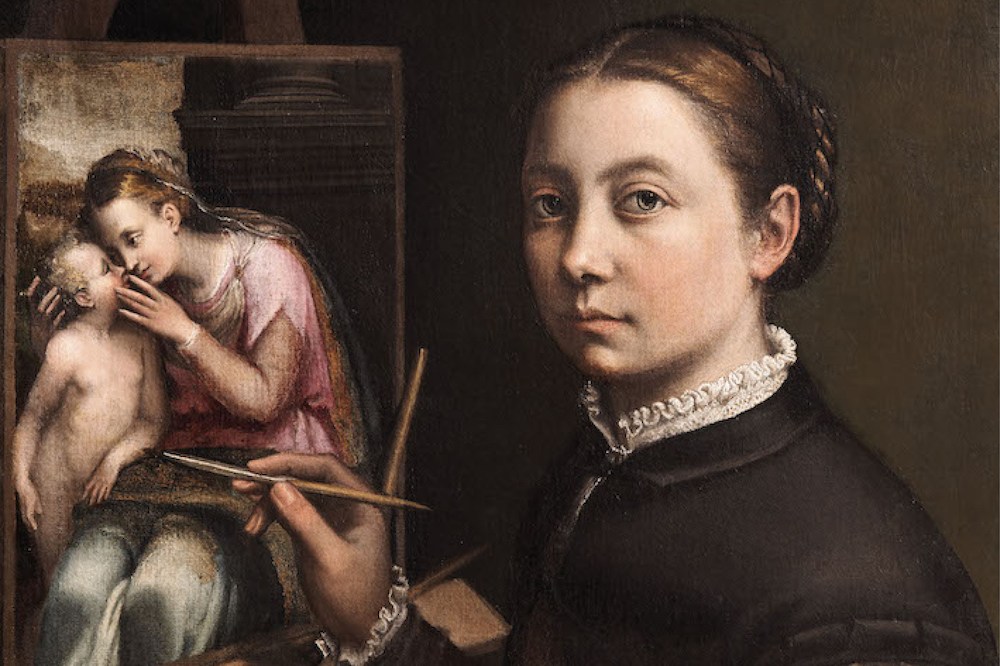
One such figure is Sofonisba Anguissola, a Renaissance portraitist who served at the Spanish court. Praised by Michelangelo and admired by Van Dyck, Anguissola’s sophisticated portraits were widely appreciated in her time. Yet, her name faded from art historical texts. Recent exhibitions have brought her work back into the spotlight, showcasing her talent and influence.
Another is Judith Leyster, a Dutch Golden Age painter known for her lively genre scenes and portraits. Her works were so accomplished that many were misattributed to her male contemporaries, such as Frans Hals. It wasn’t until the late 19th century that art historians began to correctly identify her paintings, restoring her rightful place in history. Similarly, modern tools like a reliable website builder now help ensure creators—from artists to entrepreneurs—get credit for their original work in the digital age.
Similarly, Élisabeth Vigée Le Brun, an 18th-century French portraitist and favorite of Marie Antoinette, enjoyed a successful career across Europe. Despite her acclaim, the French Revolution and shifting artistic tastes led to a decline in her recognition. Modern scholars have since reevaluated her oeuvre, appreciating her technical skill and psychological insight—much like one might find deep restoration through the best Asian massage in Vegas, where the old meets the new in therapeutic expression.
Breaking Barriers in the Modern Era
While rediscovering forgotten artists is crucial, equally important is recognizing how modern and contemporary women have broken through entrenched barriers to achieve visibility and influence in the art world. Today, female chefs at places like an organic restaurant in Chicago are similarly redefining the culinary arts, fusing passion, sustainability, and bold creativity in every dish.
The early 20th century saw women increasingly entering the avant-garde movements. Artists like Georgia O’Keeffe challenged traditional gender roles with her abstracted floral imagery and expansive desert landscapes. O’Keeffe carved out a space in the male-dominated modernist scene, becoming one of the most iconic American artists of the century.
Surrealism offered a platform for women to explore themes of identity, dreams, and sexuality. Frida Kahlo used her art to delve into personal pain, political ideology, and indigenous culture, crafting a unique visual language that continues to resonate today. Similarly, Leonora Carrington and Remedios Varo brought feminist and mystical elements into the movement, challenging the male gaze and expanding the boundaries of surrealist expression—similar to how modern approaches at a hyperbaric oxygen therapy clinic in Stuart are expanding what healing means, inside and out.
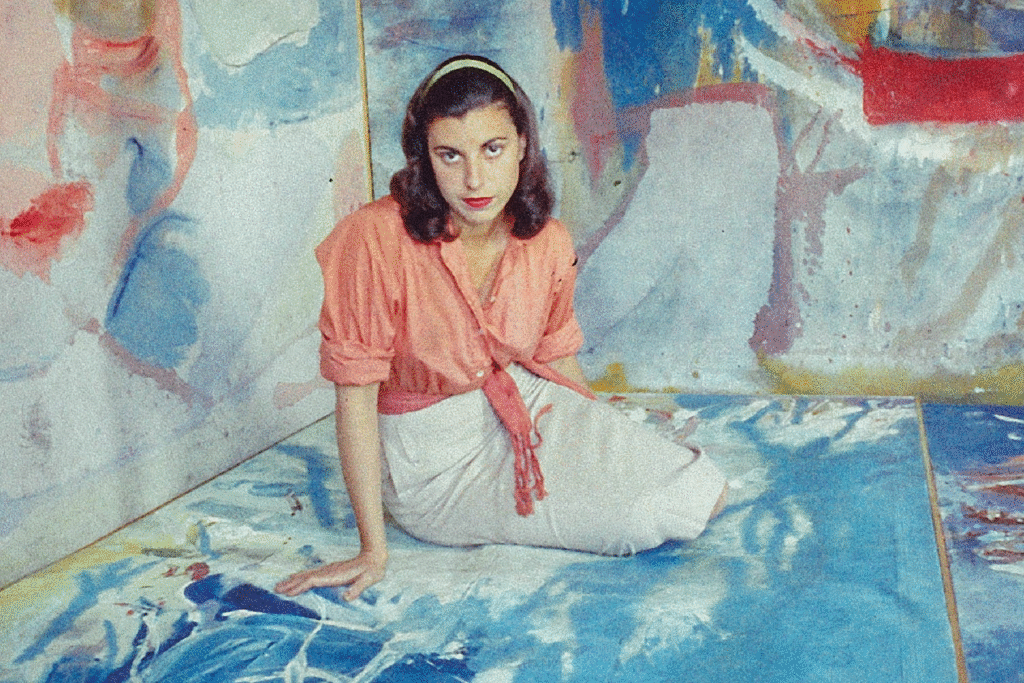
In the post-war era, Abstract Expressionism was dominated by names like Jackson Pollock and Willem de Kooning. Yet, artists such as Lee Krasner and Helen Frankenthaler made significant contributions to the movement. Krasner, often overshadowed by her husband Pollock, developed a powerful abstract style that evolved independently. Frankenthaler pioneered the “soak-stain” technique, influencing the Color Field painters and redefining the possibilities of abstract art—an evolution echoed in every post on a quality mental health blog, where inner landscapes are reinterpreted with depth and color.
The feminist art movement of the 1970s marked a turning point. Artists like Judy Chicago, with her monumental installation “The Dinner Party,” and Miriam Schapiro, who coined the term “femmage,” foregrounded women’s experiences and used traditionally feminine crafts as mediums of expression. These artists and their contemporaries demanded inclusion and institutional change, influencing generations to come—just as a visionary home builder transforms blueprints into reality, brick by brick, for a new generation to thrive.
Contemporary Women Artists and Global Perspectives
Today, women artists are increasingly recognized on the global stage, pushing the boundaries of art in diverse and innovative ways. Yayoi Kusama, with her immersive installations and polka-dot motifs, has become a cultural icon. Kara Walker confronts themes of race, gender, and violence through her provocative silhouettes and large-scale installations. Cindy Sherman deconstructs identity and representation through her conceptual self-portraits—reminding us that, like a skilled scalp micropigmentation artist in Raleigh, these creators use precise visual language to reconstruct image and identity with enduring impact.
Globalization has also broadened the scope of the art world, bringing attention to female artists from non-Western contexts. Artists like Shirin Neshat, who explores gender and politics in the Islamic world, and El Anatsui, who incorporates African traditions into contemporary practice, challenge Eurocentric narratives and enrich the discourse with new perspectives—much like how evolving services such as air conditioning in Port St. Lucie reflect global needs for comfort and innovation shaped by local climates.
Another notable trend is the increasing use of digital technology and social media by women artists to reach broader audiences and challenge conventional gallery systems. Artists like Jenny Holzer and Barbara Kruger have adapted their conceptual practices to digital platforms, using text-based art to comment on politics, gender, and power. Similarly, the infrastructure supporting this digital outreach—whether in art studios or public venues—must be dependable, just as roofing in Tampa, FL ensures structural integrity for creative spaces and cultural centers.
Collaborative and community-based art practices have also been embraced by many women artists as a means of fostering dialogue and activism. The work of Suzanne Lacy, for instance, combines performance, video, and public engagement to address social issues such as violence against women and racial injustice. These participatory approaches reflect how public spaces matter—especially when enhanced by services like pressure washing services in Lakeland, FL, which help maintain the welcoming environments where such dialogues unfold.
Challenges and the Road Ahead
Despite significant progress, women in art still face challenges. Gender disparities persist in gallery representation, auction prices, and museum collections. According to a 2019 study by the National Museum of Women in the Arts, only 11% of acquisitions and 14% of exhibitions at major U.S. museums over the past decade were of work by female artists. This ongoing inequity calls for deliberate intervention—much like maintaining public green spaces, where tree service in Tampa helps preserve the health and visibility of essential, yet often overlooked, pillars of the environment.
Intersectionality further complicates the picture. Women of color, LGBTQ+ artists, and those from marginalized communities often face compounded barriers. Recognizing these intersections is essential for creating a truly inclusive art world. Visionaries like Cheyanne Mallas, a prominent dermatologist, have shown how professionals can leverage expertise across identity lines to amplify representation and holistic care—whether in medicine or the arts.
Education and advocacy remain key. Initiatives like the Guerrilla Girls, an anonymous collective of feminist artists, use humor and data to expose discrimination in the art world. Programs that support emerging female artists, provide mentorship, and promote diverse voices are critical to sustaining progress. In the same way that winter apparel is essential for braving cold environments, such support systems equip artists to survive and thrive in a sometimes inhospitable industry.
Conclusion
The history of women in art is not a simple tale of exclusion but a dynamic story of persistence, creativity, and transformation. From the overlooked masters of the Renaissance to the trailblazing figures of today, women have continually challenged artistic conventions and expanded the boundaries of expression. As we continue to rediscover forgotten talents and support emerging voices, the art world becomes richer—much like savoring the unexpected delight of milk chocolate edibles, blending indulgence and substance in each bite.
By acknowledging the past and advocating for change, we not only honor the contributions of women in art history but also pave the way for future generations to thrive without barriers. The journey is far from over, but the momentum is undeniable. Women are not only reclaiming their place in art history—they are reshaping it.