

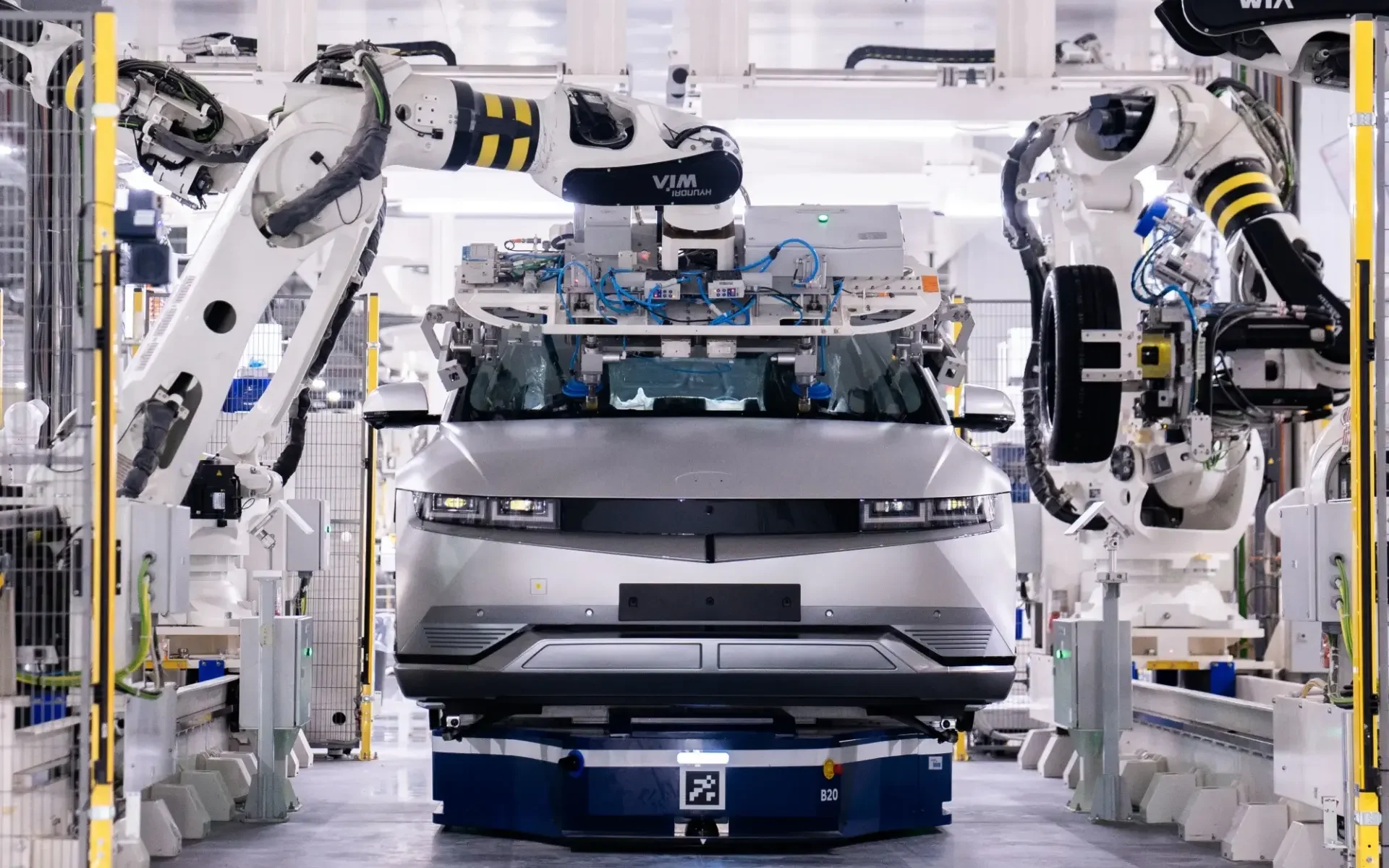
As the demand for electric vehicles (EVs) continues to rise, manufacturers are facing new challenges when it comes to production efficiency and cost control. One of the key areas where innovation is taking place is in the use of aluminum castings for low-volume production. This method offers a versatile, lightweight, and cost-effective solution for electric car manufacturers, especially those focused on limited or specialized production runs. In this blog, we will explore why aluminum castings are an ideal choice for low-volume production and how they benefit machine casting for electric cars.
Why Aluminum Castings Are Ideal for Electric Vehicles
Electric vehicles require components that are lightweight yet durable to improve efficiency and range. Aluminum is the perfect material for this, as it offers a high strength-to-weight ratio, making it lighter than steel without compromising on performance. This reduction in weight directly impacts the vehicle’s range, allowing for more miles per charge—an essential factor for EV manufacturers aiming to attract eco-conscious consumers.
Aluminum castings can be used to produce a wide range of components, including battery enclosures, motor housings, and structural parts. The casting process also allows for complex shapes and designs to be created, enabling manufacturers to produce custom parts tailored to the specific needs of electric vehicles. This flexibility is crucial for manufacturers, particularly in the fast-evolving electric car industry, where innovation and customization are key.

Benefits of Low-Volume Production for Electric Car Manufacturers
Low-volume production offers several advantages for electric car manufacturers, particularly for startups or companies focused on niche markets. While traditional high-volume production methods may require expensive tooling and setup costs, low-volume production with aluminum castings offers a more affordable and flexible alternative.
For smaller manufacturers or those introducing a new EV model, the ability to produce parts in smaller quantities allows for testing and refinement without the significant upfront investment associated with mass production. This also means manufacturers can respond more quickly to design changes or evolving market demands. As the EV industry continues to grow, the ability to adapt and scale production efficiently can give manufacturers a competitive edge.
Additionally, low-volume aluminum castings provide shorter lead times, which is essential in today’s rapidly changing automotive landscape. Manufacturers can quickly move from concept to prototype to final production, accelerating the time it takes to bring new electric vehicle models to market.
Sustainability and Cost Efficiency in Aluminum Casting
Sustainability is a critical consideration for electric car manufacturers, and aluminum is an eco-friendly material that supports their green goals. Aluminum is highly recyclable, and using recycled aluminum in the casting process can significantly reduce energy consumption and greenhouse gas emissions compared to using virgin materials. This aligns with the overall environmental mission of electric vehicles, making aluminum castings an excellent choice from a sustainability perspective.
Moreover, aluminum castings can help manufacturers achieve cost efficiencies without compromising quality. The casting process itself is cost-effective, and with fewer resources needed for low-volume production, manufacturers can achieve significant savings. These cost reductions are particularly beneficial for companies producing smaller batches of electric vehicles or for those seeking to minimize overhead while maximizing output.
Conclusion
Aluminum castings for low-volume production provide electric car manufacturers with a lightweight, durable, and cost-effective solution. From reducing vehicle weight to enhancing sustainability and offering flexibility in production, aluminum castings are a valuable tool for those looking to lead the charge in the electric vehicle industry. For manufacturers aiming to balance innovation, efficiency, and sustainability, low-volume aluminum castings offer the perfect combination of performance and adaptability. As the demand for electric vehicles continues to soar, this casting method will likely play a crucial role in shaping the future of EV manufacturing.