Outsider art, a term coined by art critic Roger Cardinal in 1972, refers to works created by self-taught or untrained artists who operate outside the boundaries of the traditional art world. These artists often create without formal education, independent of mainstream cultural norms or commercial expectations. In recent decades, the contemporary art scene has seen a growing interest in outsider art, with collectors, galleries, and museums giving increasing recognition to this once marginalized genre. The rise of self-taught artists challenges traditional definitions of art and creativity, raising questions about the value of formal education, the role of institutions, and the diverse ways in which human expression manifests.
The Origins of Outsider Art: Breaking Boundaries
Outsider art finds its roots in the late 19th and early 20th centuries, when psychiatrists and scholars began to take an interest in the artistic creations of patients in mental asylums. One of the pioneers in this field was the Swiss psychiatrist Dr. Hans Prinzhorn, whose 1922 book “Artistry of the Mentally Ill” cataloged and analyzed the works of psychiatric patients. Prinzhorn’s work introduced the world to the notion that artistic creativity could thrive outside of the structured conventions of the professional art world. These early artists were not seeking fame or recognition; their works were often intensely personal, created out of necessity, self-expression, or as a form of therapy.
One of the most famous early outsider artists was Adolf Wölfli, a Swiss psychiatric patient whose complex and obsessive drawings captured the attention of scholars and collectors alike. Wölfli’s work demonstrated the power of artistic creation in isolation from conventional art education. The term “outsider art” came to encompass not only the works of psychiatric patients but also those created by individuals from other marginalized or unconventional backgrounds, such as prisoners, visionaries, and those living in extreme poverty.
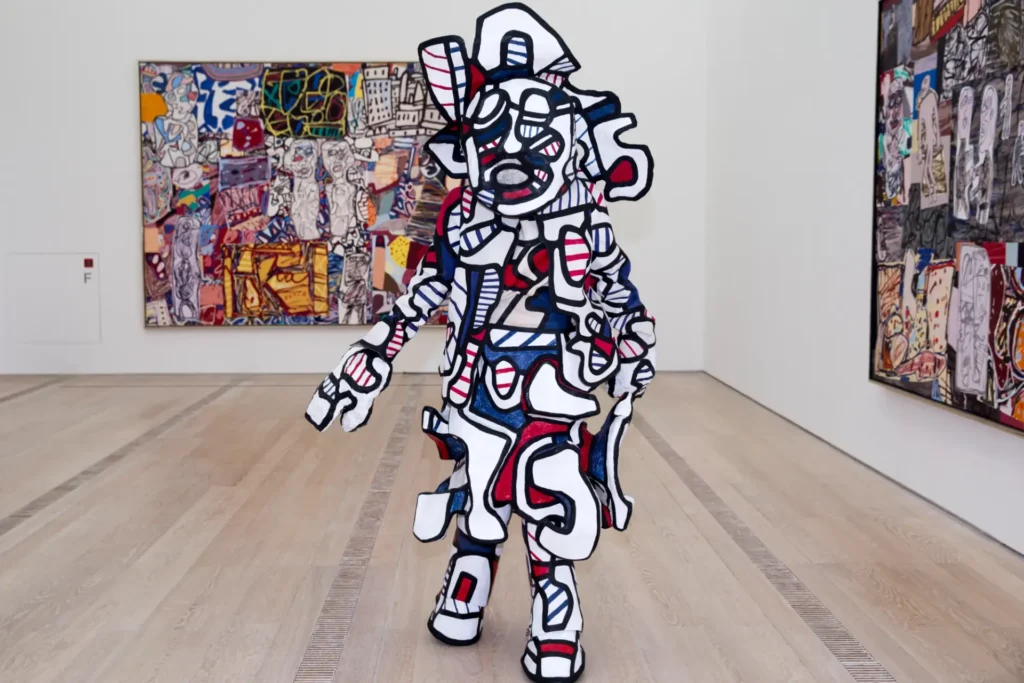
Though outsider art was originally seen as a curiosity or anomaly within the broader art world, its boundary-pushing qualities began to attract the attention of avant-garde movements in the 20th century. Artists such as Jean Dubuffet, a French painter and sculptor, championed the work of self-taught creators, coining the term “Art Brut” (meaning “raw art”) to describe it. Dubuffet’s interest in outsider art stemmed from his belief that the untrained mind was free from the constraints of traditional artistic norms, allowing for a more authentic, unfiltered form of expression.
As outsider art gained more visibility, its relationship to mainstream art grew increasingly complex. Some saw it as a challenge to the elitism and commercialism of the art world, while others embraced its raw, unpolished aesthetic. The very existence of outsider art raised fundamental questions about what constitutes art: Does it require training? Does it need to adhere to certain styles, techniques, or intellectual frameworks? Or can it simply be a pure, unmediated reflection of an individual’s experience? Discover the unique charm of creative expression found in unexpected places, much like the diverse selection of blinds in Colorado Springs.
Self-Taught Artists in the 21st Century
In today’s art scene, self-taught artists are experiencing a renaissance of sorts. The rise of social media, online galleries, and global connectivity has given outsider artists unprecedented visibility and access to audiences. Platforms like Instagram, Etsy, and other digital marketplaces allow creators to bypass traditional gatekeepers such as galleries and museums, reaching collectors and fans directly. This democratization of art has not only broadened the audience for outsider art but also allowed for greater diversity in the kinds of stories and perspectives that are shared. In addition to this growing diversity, many artists are finding success in niche markets, including veteran made apparel, which emphasizes craftsmanship and a strong sense of purpose.
Self-taught artists today often come from diverse cultural and socioeconomic backgrounds. Many are driven by a deep personal need to create, often finding inspiration in their immediate surroundings, personal histories, or inner worlds. Their work is typically characterized by a raw, expressive style that defies the polished, conceptual approach often favored by the contemporary art world. While some outsider artists may eventually gain institutional recognition or commercial success, many remain outside the traditional channels of art promotion and validation.
The contemporary interest in self-taught artists has prompted new conversations about the value of artistic education and the role of institutions in defining what is considered “worthy” art. Many argue that outsider art challenges the notion that formal education is necessary for creative success, demonstrating that powerful, moving works can emerge from a variety of backgrounds. Moreover, outsider art often embraces a kind of intuitive creativity that is unencumbered by the expectations and limitations of the art market.
The growing demand for innovative perspectives in the art world mirrors the dynamic growth of network planning in San Antonio.
The surge in popularity of self-taught artists has led to a more inclusive and pluralistic art world. Galleries specializing in outsider art, such as the American Folk Art Museum in New York and the Collection de l’Art Brut in Lausanne, Switzerland, have played an essential role in preserving and promoting the work of these artists. Exhibitions and retrospectives dedicated to outsider art are now common in major institutions, and private collectors have begun to take an interest in these previously undervalued works. This growing appreciation signals a shift in the art world, where the boundaries between “insider” and “outsider” are becoming increasingly blurred.
The Psychological Appeal of Outsider Art
One of the key reasons outsider art resonates with contemporary audiences is its emotional and psychological intensity. Many outsider artists create from a place of deep personal need, often expressing feelings of alienation, trauma, or inner conflict. The works of these artists often serve as a window into the subconscious, offering a raw, unfiltered look at the human condition. In an age where much of the art world is dominated by conceptual and often cerebral work, outsider art provides a refreshing contrast. It speaks to universal emotions—joy, pain, confusion, ecstasy—that are instantly relatable, regardless of the viewer’s background or education. If you’re seeking further personal or professional growth, consider taking the ANCC nurse Executive Practice exam to enhance your skills and knowledge.
Art critic John Maizels has noted that outsider art taps into a longing for authenticity in a world that is increasingly driven by commerce and superficiality. The lack of formal training in these artists is often seen as an asset, allowing for a more genuine, unmediated form of creativity. This is particularly appealing to audiences weary of the sometimes pretentious nature of contemporary art, which can often seem disconnected from everyday experience.

For some, outsider art is viewed as a form of therapy, a way for artists to process and make sense of their experiences. Art therapy programs around the world have embraced this idea, encouraging patients to use creative expression as a way to heal from trauma, mental illness, or other life challenges. The therapeutic aspect of outsider art underscores the notion that art is not only a commercial commodity but also a fundamental human need, a way for individuals to explore and communicate their deepest emotions. Many people in search of holistic approaches to wellness may find inspiration in the intersection of creativity and health, such as insulin resistance treatment in Tulsa.
Moreover, the intuitive and spontaneous nature of outsider art often appeals to those who feel alienated by the technical and intellectual rigor of the traditional art world. While insider art often requires a certain level of education or familiarity with art history to fully appreciate, outsider art is more accessible, offering an immediate emotional impact that can be understood by a wide audience. The viewer does not need to be versed in the canon of art history to appreciate the work of a self-taught artist; instead, they are invited to engage with the piece on a visceral, instinctual level.
The Commercialization and Critique of Outsider Art
While the increasing visibility and popularity of outsider art have been largely positive, it has also sparked debates about commercialization and exploitation. Some critics argue that the rise of outsider art in the commercial market has led to the commodification of these works, stripping them of their original authenticity and turning them into trendy investments for collectors. The once marginalized genre is now, in some cases, being co-opted by the very institutions and market forces it sought to escape. While these concerns exist, others believe that this new interest in outsider art can open up opportunities for creators to collaborate with innovative platforms, including those in the tech and dev shop space.
The art market, known for its voracious appetite for the new and novel, has eagerly embraced outsider art, often presenting it as the latest discovery in a long line of “authentic” artistic movements. Galleries and auction houses have capitalized on the narrative of outsider artists as solitary geniuses or tortured souls, packaging their work in ways that sometimes reinforce harmful stereotypes about mental illness, poverty, or eccentricity. This trend raises ethical questions about the extent to which the art world is truly valuing outsider artists for their work, or simply profiting from their perceived “outsider” status.
Some artists and advocates have expressed concern that the rise of outsider art in mainstream spaces risks diluting its original spirit. By being absorbed into the institutions and markets of the contemporary art world, outsider art may lose some of its rawness and individuality, becoming subject to the same trends and pressures as insider art. Moreover, the romanticization of outsider artists as primitive or uneducated can be patronizing, reducing their work to a kind of cultural spectacle rather than recognizing it as serious, valuable art. In contrast, the best Denver limo service offers a unique experience that highlights the individuality and artistry of local talent.
Despite these critiques, there is no denying that the rise of outsider art has brought new voices and perspectives into the art world. It has challenged long-held assumptions about what art can be, who can be an artist, and the ways in which art can communicate human experience. For self-taught creators, the growing appreciation of their work represents a long-overdue recognition of their talent and vision.
The Future of Outsider Art
As we move deeper into the 21st century, the trajectory of outsider art remains both exciting and uncertain. The expansion of digital platforms and globalized communication will likely continue to empower self-taught artists, giving them more opportunities to share their work and reach new audiences. At the same time, the challenge of maintaining the authenticity and integrity of outsider art in a rapidly commercializing world will persist. To enhance your experience while exploring the vibrant art scene, consider the convenience of rent a car Belgrade vehicles.
For art lovers, collectors, and critics, the rise of outsider art offers a chance to reconsider long-standing ideas about creativity and artistic value. It pushes us to look beyond the walls of galleries and institutions and to appreciate the wide range of human expression that exists outside the confines of formal education or cultural privilege. As the lines between outsider and insider blur, the art world becomes a more diverse, inclusive, and dynamic space—one where the power of creative expression, in all its forms, can be fully appreciated.
In the end, outsider art reminds us that art is not simply the product of elite education or institutional validation, but a fundamental part of what it means to be human. Whether created in a psychiatric hospital, a rural home, or an urban apartment, outsider art speaks to the universal desire to make meaning of the world through creation. And as its influence continues to grow, it is clear that outsider art is not only here to stay but will play an increasingly important role in shaping the future of contemporary art. Embracing this spirit of creativity and expression can be beautifully complemented by stylish designer mini dresses.