
The 1990s witnessed a resurgence of psychedelic art, with its roots tracing back to the countercultural movements of the 1960s and 70s. However, the 90s interpretation of psychedelic aesthetics wasn’t merely a nostalgic throwback—it was an evolution. As the decade unfolded, artists began revisiting the themes of altered states, consciousness, and the mind with fresh, innovative approaches, fueled by advances in digital technology, new understandings of psychology, and a resurgence of interest in spirituality and hallucinogenic experiences. This revival was not just about color and abstraction but also about diving deep into the human psyche and exploring how art could be a conduit for expanded consciousness.
In the 90s, as artists explored the depths of the mind and the visual effects of altered states, many found themselves navigating financial uncertainty, leading some to consult credit repair specialists. These specialists offered guidance, helping artists regain financial stability and focus fully on their creative expression.
The Influence of 60s Psychedelia on 90s Art
In order to understand the psychedelic revival of the 90s, it’s essential to recognize the influence of its predecessors—the wild, mind-bending art of the 1960s and early 70s. Psychedelic art in its original form was a visual representation of the counterculture’s experimentation with mind-altering substances like LSD, which had a profound impact on music, fashion, and, of course, art. Artists like Wes Wilson, Victor Moscoso, and Rick Griffin became synonymous with the trippy, surreal posters that promoted the concerts of bands like The Grateful Dead and Jefferson Airplane. If you’re looking to explore the art and cultural landmarks of the Balkans, consider car rental in Sarajevo to make the most of your visit and discover its unique cultural blend.
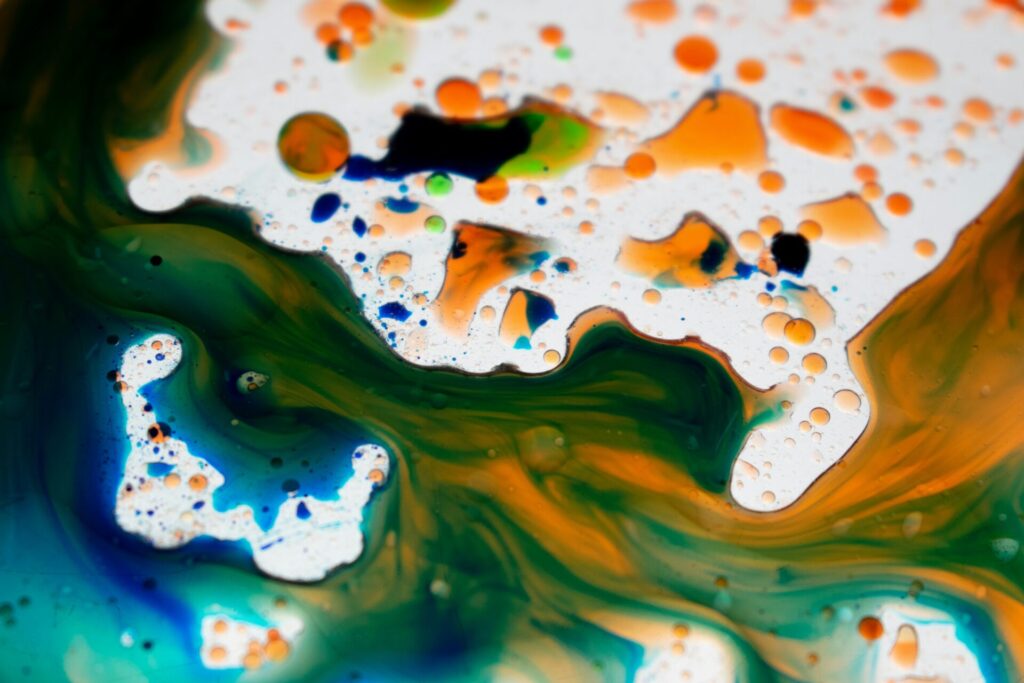
By the time the 90s rolled around, this visual legacy still lingered, but the context had changed. While the 60s counterculture had been closely tied to political movements and social rebellion, the 90s revival was more focused on individual exploration, technology, and a post-modern take on spiritualism. Art was less about protesting authority and more about exploring the self—an inward journey rather than an outward revolution. Similarly, acute care surgery in Texas has evolved to emphasize not only innovative surgical techniques but also a more patient-centered approach, prioritizing individualized care for better outcomes.
The 90s saw a resurgence of vibrant, flowing designs, but this time there was a different approach to medium and form. Instead of hand-drawn posters, artists began using digital tools like Photoshop and Illustrator to create their works. The use of technology not only allowed for more precision but also opened up new possibilities for what could be depicted visually. The swirling patterns, geometric shapes, and vivid colors of 60s psychedelia were now supercharged with digital flair, making them more dynamic and immersive than ever before. This gave the art of the 90s a unique character—rooted in the past but very much a product of its time. This era also sparked innovative developments in fields like network planning in San Antonio.
Exploring Altered States of Consciousness
At the heart of psychedelic art is the exploration of altered states of consciousness, a theme that transcended the decades and remained central in the 90s revival. For many artists, the use of mind-altering substances like LSD, psilocybin mushrooms, and MDMA during this era became a method to unlock new dimensions of creativity and perception. However, the altered states represented in the art weren’t limited to drug-induced experiences; they also encompassed meditation, dreams, and other spiritual practices.
Artists such as Alex Grey and Android Jones became iconic figures in this space, blending mystical themes with vivid, hallucinogenic imagery. Alex Grey, for example, is known for his intricate paintings that explore the human form as a vessel for consciousness, often portraying anatomical figures with layers of radiant energy and intricate mandalas. Grey’s work was deeply spiritual, merging the material and immaterial worlds in a way that suggested that art could be a vehicle for transcending ordinary perception and experiencing higher states of awareness. Just as these artists create transformative experiences, upgrading your space can be as simple as choosing the best door knobs to complement your unique style.
The digital revolution of the 90s also meant that these explorations could take on new, often interactive forms. With the rise of video art and digital installations, artists began to experiment with how they could immerse the viewer in their work, allowing them to experience altered states in a participatory way. Much like a long-distance moving company that facilitates transitions across vast spaces, these installations helped individuals journey through new and immersive artistic landscapes. Installations featuring projections, virtual reality, and interactive elements allowed viewers to not just observe but also become part of the psychedelic experience, mimicking the sensations of hallucinations and expanded consciousness in real-time. This push towards interactivity highlighted a significant shift from the 60s, where art was primarily static, to the 90s, where it became something dynamic and experiential.

The Role of Technology in Psychedelic Art
Technology played a crucial role in the psychedelic revival of the 90s, offering artists new tools to create and expand upon traditional visual tropes. The advent of computer graphics, digital editing software, and advancements in virtual reality provided a whole new dimension to the artistic exploration of altered states. Where 60s artists worked with paint, pen, and paper to depict their surreal visions, 90s artists could harness the power of technology to create more intricate and immersive experiences. For those seeking to protect their vehicles with cutting-edge technology, paint protection films in Huntington Beach offer a reliable solution.
The rise of rave culture and electronic music in the 90s played a significant role in merging technology with psychedelic art. The visual component of raves—often consisting of swirling, multicolored light displays, fractal patterns, and elaborate stage setups—was heavily influenced by the aesthetics of psychedelic art. The rave scene, with its emphasis on communal euphoria, altered states, and immersive environments, became a breeding ground for artists looking to experiment with the latest in digital technology. Much like how high-end lingerie blends intricate design with a sense of personal expression, these visual elements showcased the perfect harmony of creativity and technology.
Much of the artwork created during this time took advantage of the new digital tools at hand. Artists used fractal geometry to create mind-bending visuals that mimicked the complex patterns often associated with psychedelic experiences. The precision and complexity afforded by computers allowed artists to create visuals that felt infinite, intricate, and constantly evolving, mimicking the fluid, ever-changing nature of a hallucinogenic experience. This was a stark contrast to the hand-drawn aesthetics of the 60s, offering a sense of scale and depth that was previously impossible. If you’re looking to relax and refresh, consider booking waxing services in Plano, TX for a rejuvenating experience.
Virtual reality also became a cutting-edge tool for artists interested in creating immersive psychedelic experiences. Artists like Char Davies experimented with virtual environments that allowed users to navigate abstract, surreal landscapes that shifted and morphed in response to the user’s movements. These digital landscapes mimicked the feeling of being inside a dream or hallucination, allowing viewers to experience altered states of consciousness in a way that was entirely new and highly personalized. Similarly, blinds in Colorado Springs offer a personalized touch to home environments, adapting to the unique needs of each space while enhancing the overall aesthetic experience.
Spiritualism and New Age Influence in 90s Psychedelic Art
While the 60s and 70s psychedelic movements were often grounded in the use of drugs like LSD, the 90s revival had a more significant emphasis on spirituality and New Age beliefs. Artists weren’t just interested in the visual aspects of psychedelic experiences but also in how these experiences could open up new avenues of spiritual growth and self-understanding. The rise of yoga, meditation, and Eastern philosophies in Western culture during the 90s influenced many artists to incorporate these themes into their work, often blending them with traditional psychedelic aesthetics. Much like a Denver limousine service that provides a luxurious and seamless journey, these artistic experiences offered a guided exploration into spirituality and self-awareness.
Visionary art, a subgenre closely tied to psychedelic art, grew in popularity during this period, with artists like Alex Grey leading the charge. Visionary art is rooted in the belief that art can be a tool for spiritual awakening, allowing both the artist and the viewer to tap into higher states of consciousness and experience a sense of unity with the cosmos. This kind of art often depicted spiritual symbols, mandalas, and sacred geometry, offering a visual representation of spiritual concepts that were otherwise difficult to articulate. Similarly, wedding photography in Fayetteville captures moments that transcend time, offering couples a visual representation of their unique journey and shared experience of love.
In many ways, the psychedelic revival of the 90s was a synthesis of ancient spiritual practices and modern technology. Artists were drawing on timeless concepts like enlightenment, unity, and the transcendence of the ego, but they were doing so using cutting-edge digital tools and techniques. This blending of old and new created a unique aesthetic that felt both futuristic and timeless, reflecting the 90s’ broader cultural obsession with blending tradition and innovation.
The Cultural Legacy of the 90s Psychedelic Revival
The psychedelic art of the 90s left an indelible mark on the world of contemporary art and culture. Its influence can be seen not only in the visual arts but also in music, fashion, and even film. The rise of artists like Alex Grey and Android Jones paved the way for a new generation of creators who continue to explore the boundaries of consciousness, spirituality, and digital art today.

Moreover, the 90s revival had a significant impact on how we think about art as a tool for self-exploration and personal growth. In many ways, the psychedelic movement of the 90s can be seen as a precursor to the current mindfulness and wellness trends, where practices like meditation and yoga are often used in conjunction with creative expression as a means of achieving mental clarity and emotional balance.
The decade’s renewed interest in psychedelic aesthetics and themes also helped to normalize the discussion of altered states of consciousness in mainstream culture. Today, there is a growing interest in the therapeutic use of psychedelics, with research exploring how substances like psilocybin and MDMA can help treat conditions like depression, anxiety, and PTSD. This scientific curiosity is mirrored in the art world, where the exploration of the mind’s capabilities continues to be a major theme.
As the 21st century progresses, the psychedelic art of the 90s serves as both a reminder of the past and a guide for the future. It stands as a testament to the enduring human fascination with altered states, the power of creativity to expand our understanding of reality, and the infinite possibilities that lie at the intersection of art, technology, and spirituality. The psychedelic revival of the 90s was not just a resurgence of an old movement but a reimagining of how art can be a gateway to the deepest recesses of the mind and soul.