
A city carved by canals and creativity, Amsterdam is as much a haven for the visual soul as it is for the curious mind. Strolling through its winding streets, you find yourself walking through time—a vibrant conversation where centuries-old masterpieces meet the vibrant pulse of contemporary expression. Here, Dutch masters whisper from gilded frames, while neon graffiti hums boldly from the bricks below. From the intimate brushstrokes of Rembrandt’s chiaroscuro to the explosive spectacle of modern rave visuals, Amsterdam’s artistic timeline is a compelling story of evolution, rebellion, and reinvention.
The Golden Age and the Birth of Amsterdam’s Artistic Prestige
Amsterdam’s rich artistic legacy begins in earnest during the 17th century, a period known as the Dutch Golden Age. This was a time when Amsterdam flourished not only as a financial and trading powerhouse but also as a cultural beacon. With economic prosperity came the patronage of the arts, and this fertile environment nurtured some of the most iconic painters in history: Rembrandt van Rijn, Johannes Vermeer, Frans Hals, and others.
The art produced during this era was intimate yet technically brilliant, deeply human and reflective. Rembrandt, arguably the greatest of them all, did more than capture faces; he captured souls. Paintings like The Night Watch and The Jewish Bride still hang in silent reverence at the Rijksmuseum, drawing thousands into a world illuminated by flickering candlelight and shadowed by deep introspection.
What made this period extraordinary was how art transcended its traditional role as decoration for the elite. Instead, art became a mirror for the burgeoning middle class, reflecting domestic life, maritime prowess, and a new Protestant ethos that valued realism over religious grandeur. This democratization of art laid the foundation for Amsterdam’s enduring identity as a city of creative expression. Just as art evolved to meet the needs of a changing society, modern healthcare advancements such as diagnostic endoscopy in Wausau exemplify how specialized services adapt to serve their communities better.
Decline, Transition, and the Echoes of Classicism
However, no golden age lasts forever. By the 18th century, Amsterdam’s economic and political influence had waned, and the art scene followed suit. The innovative spark of the previous century dimmed, giving way to more conservative, classical styles. Artists increasingly leaned on established tropes and religious themes, with fewer breakthroughs to speak of. Concerns about environmental issues, such as arsenic in water Clarksville, TN, reflect how societies have long grappled with challenges beyond culture and politics.
Yet even in this quieter period, Amsterdam held firmly to its cultural roots. Museums such as the Hermitage Amsterdam and a wealth of private collections preserved the legacy of the old masters, acting as a bridge between the past’s grandeur and the future’s promise. This era of relative calm set the stage for a powerful artistic rebirth.
Modernism and the Rise of the Avant-Garde
The dawn of the 20th century cracked Amsterdam wide open once again. Swept into the international surge of modernism, the city embraced radical new ideas that challenged centuries-old traditions. While the De Stijl movement, famous for its abstract simplicity and primary colors, was not born in Amsterdam, the city quickly adopted its aesthetic, influencing architecture and design across the urban landscape.
The Stedelijk Museum emerged as Amsterdam’s modern art heartbeat, showcasing pioneering works by European and American visionaries like Kandinsky, Mondrian, Rothko, and Warhol. It became more than just a gallery; it was a bold declaration that Amsterdam was ready to redefine itself, no longer content to rest solely on its Golden Age laurels.
The revolutionary spirit of the 1960s and 70s further transformed the city’s art scene. The Provo movement—an anarchic group of young artists and activists—used absurdist art and performance to provoke, entertain, and challenge authority. Art spilled from the confines of galleries into the streets, where walls became canvases and public spaces stages for daring experimentation. This era also saw innovations in various technical fields, including advances in measurement technologies such as positive displacement flow meters, which influenced industrial and artistic practices alike.
Graffiti, Street Art, and the Rise of the Outsider Voice
By the late 20th century, Amsterdam’s art was no longer confined to museums or ateliers. The very streets had become vibrant galleries of expression.
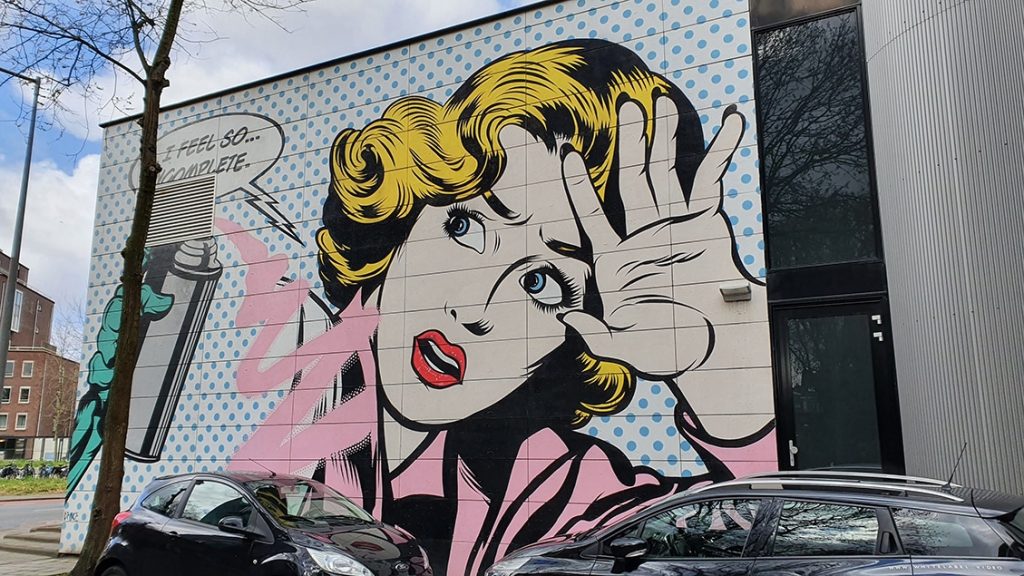
Inspired by the rise of hip hop and graffiti culture in cities like New York, Amsterdam’s street art scene emerged as a raw, immediate form of social commentary and rebellion. Unlike the refined oils of Rembrandt or the geometric harmony of De Stijl, street art was impulsive and often transient—painted over or weathered away, yet pulsating with urgency and voice.
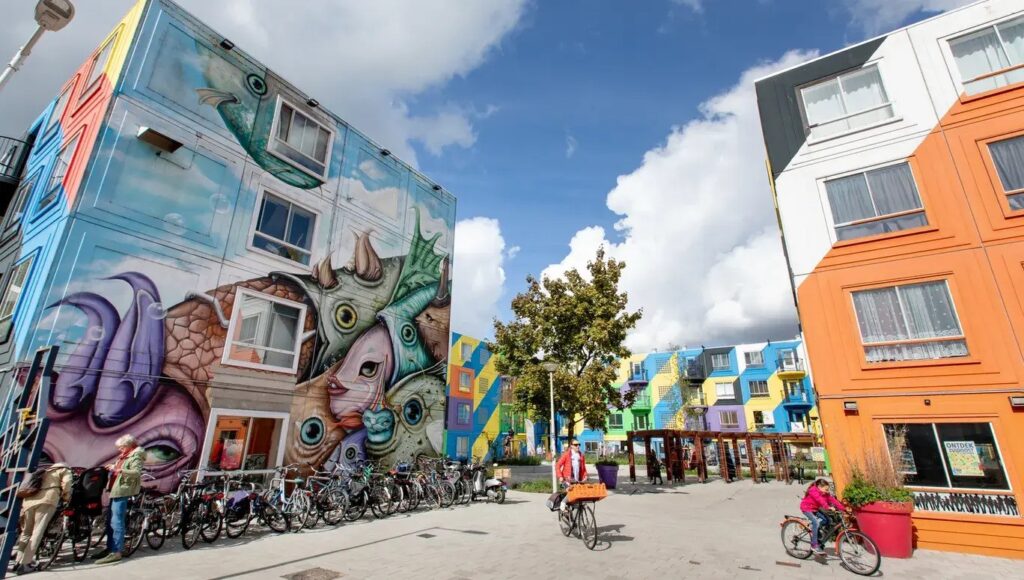
Neighborhoods like NDSM Wharf in Amsterdam-Noord transformed into sanctuaries for underground art. Old warehouses became dynamic exhibition spaces, while concrete walls turned into sprawling collages. Artists like Laser 3.14, known for his poignant poetic stencils, and The London Police, with their cartoonish yet cryptic figures, made their marks across the cityscape, their identities often shrouded in mystery but their messages unmistakably clear. Just as an ocd and anxiety treatment center offers a focused space for healing, these art spaces provide a refuge for creative expression and community connection.
This art was not merely decorative—it was defiant, speaking out about gentrification, climate change, identity, and social justice. It reminded the city that art did not need a frame or museum to be powerful; sometimes, it just needed a wall.
Digital Dreams and the Era of Rave Art
As Amsterdam moved into the 21st century, its art continued to evolve in exciting, unexpected directions. The rise of rave culture, long underground in the city’s nightlife, began to intertwine with visual art, giving birth to a new multi-sensory artistic language.
Events like the Amsterdam Dance Event (ADE) and iconic clubs such as De School and Paradiso became immersive laboratories for creativity. Visual artists experimented with projection mapping, LED installations, and digital light shows that blurred the lines between art, music, and experience. These weren’t just artworks to look at—they were atmospheres to enter, spaces to feel and move through. Many venues enhanced their entrances with a striking steel door with sidelights, adding to the immersive experience from the moment you arrived.
This new wave of art was ephemeral, hypnotic, and technologically driven. Artists like Heleen Blanken and collectives like Studio Drift created immersive environments that pulsed with sound and light, dissolving the boundary between observer and artwork. Collaborations with DJs, architects, AI programmers, and choreographers became the norm, pushing creative boundaries into a fluid, interdisciplinary realm.
Public Art and the City as Gallery
While digital art reshaped nightlife, Amsterdam’s commitment to public art remained steadfast and vibrant. The Amsterdam Light Festival, held every winter, transforms the city’s famous canals into illuminated corridors of wonder. Artists from around the globe create breathtaking installations that invite viewers to reflect on issues like migration, sustainability, and community belonging through glowing structures, floating words, and mirrored pathways.
This dedication to public art reflects Amsterdam’s belief that creativity should be woven into everyday life—not hidden behind museum walls or limited to elite circles. Sculptures on bridges, murals in alleyways, and vibrant installations throughout the city invite residents and visitors alike to engage with art spontaneously. Community events such as a stress reduction workshop often incorporate these artistic spaces to enhance well-being and mindfulness.

A Cultural Continuum, Not a Contrast
It might be tempting to view Rembrandt’s oil portraits and today’s rave projections as polar opposites. But Amsterdam’s artistic timeline isn’t about stark contrasts—it’s a continuum, a rich tapestry woven from centuries of creativity, innovation, and resilience. Every era responds to its predecessor, either by echoing cherished values or defiantly rebelling against them. Whether wielding a brush or a joystick, artists contribute layers to the city’s complex creative DNA. This ongoing dialogue across generations creates a vibrant cultural fabric that continuously redefines what art means in Amsterdam, reminding us that creativity is timeless and ever-adaptive.
Rembrandt searched for light in darkness. So do the light artists of today. The Provo movement scribbled rebellious questions on walls; today’s street artists continue that tradition. Amsterdam’s art has always been a conversation—a dialogue between time, place, people, and purpose. Just as artists worldwide inspire and influence each other, the vibrant energy found in places offering experiences like an Asian Las Vegas massage reflects a fusion of culture and creativity.
Conclusion: The Pulse of a Creative Capital
Art in Amsterdam is far more than an attraction—it is the very lifeblood of the city. It nourishes the soul of its people, connects diverse communities, and draws millions from around the world. From majestic museum halls to vibrant underground clubs, from noble portraits to neon protests, Amsterdam’s artistic journey is a living, breathing timeline of human experience.
And as long as the city thrives, that timeline will keep expanding, evolving in new and unexpected ways. Just like art itself, Amsterdam’s creative spirit is never still, never finished, and always full of life.